
Tesla Cybertruck Production to Wind Down by Mid-2027: Cybercab Takes Center Stage
Tesla to Wind Down Cybertruck Production by Mid 2027 as Cybercab Takes Priority Tesla is preparing to wind down production of its futuristic Cybert...
HEAD-TO-HEAD MUSCLE CAR VS COMPARISON
Compare 0-60, peak horsepower, torque, and quarter-mile times across iconic builds.
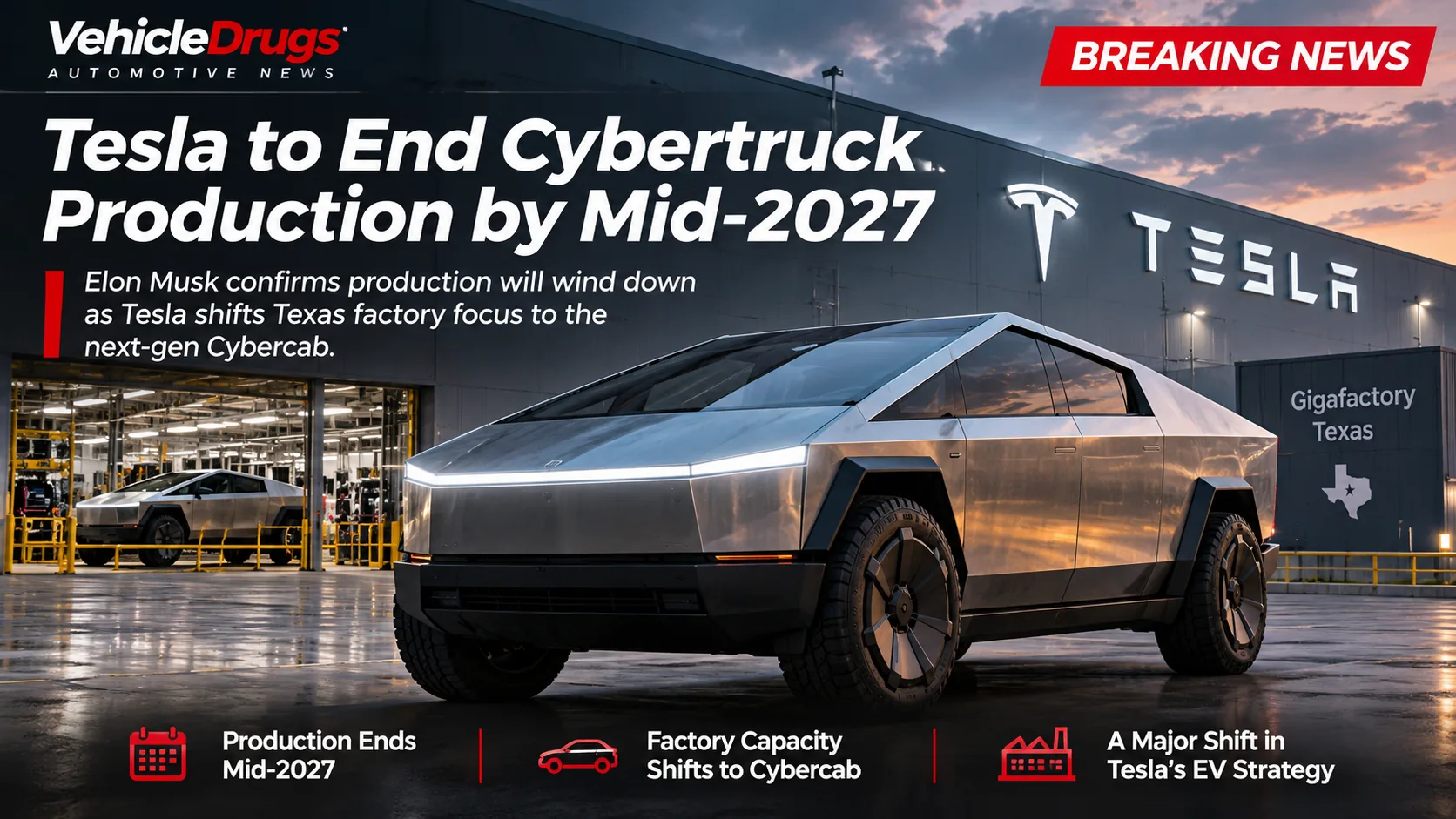
Tesla to Wind Down Cybertruck Production by Mid-2027 as Cybercab Takes Priority
Tesla is preparing to wind down production of its futuristic Cybertruck electric pickup at Gigafactory Texas around the middle of 2027, according to an announcement made by CEO Elon Musk on November 6, 2026. The move is expected to free up factory capacity for increased production of Tesla's Cybercab robotaxi, marking a major change in direction for one of the company's most talked-about vehicles.
The announcement comes after years of delays, changing prices, recalls and sales that fell well short of the ambitious expectations originally set for the Cybertruck. Although the pickup attracted enormous attention when it was first revealed, turning that attention into sustained demand has proved difficult.
The production change does not yet confirm that the Cybertruck will disappear completely from Tesla's lineup. It remains unclear whether production could move to another facility or whether the Texas wind-down will eventually mean the end of the model.
For the American electric vehicle market, however, the announcement is significant. The Cybertruck was designed to challenge traditional pickup trucks with a radically different appearance and an all-electric powertrain. Now, Tesla appears to be prioritizing autonomous transportation over continued expansion of its electric pickup program.
Tesla Confirms the Planned Production Wind-Down
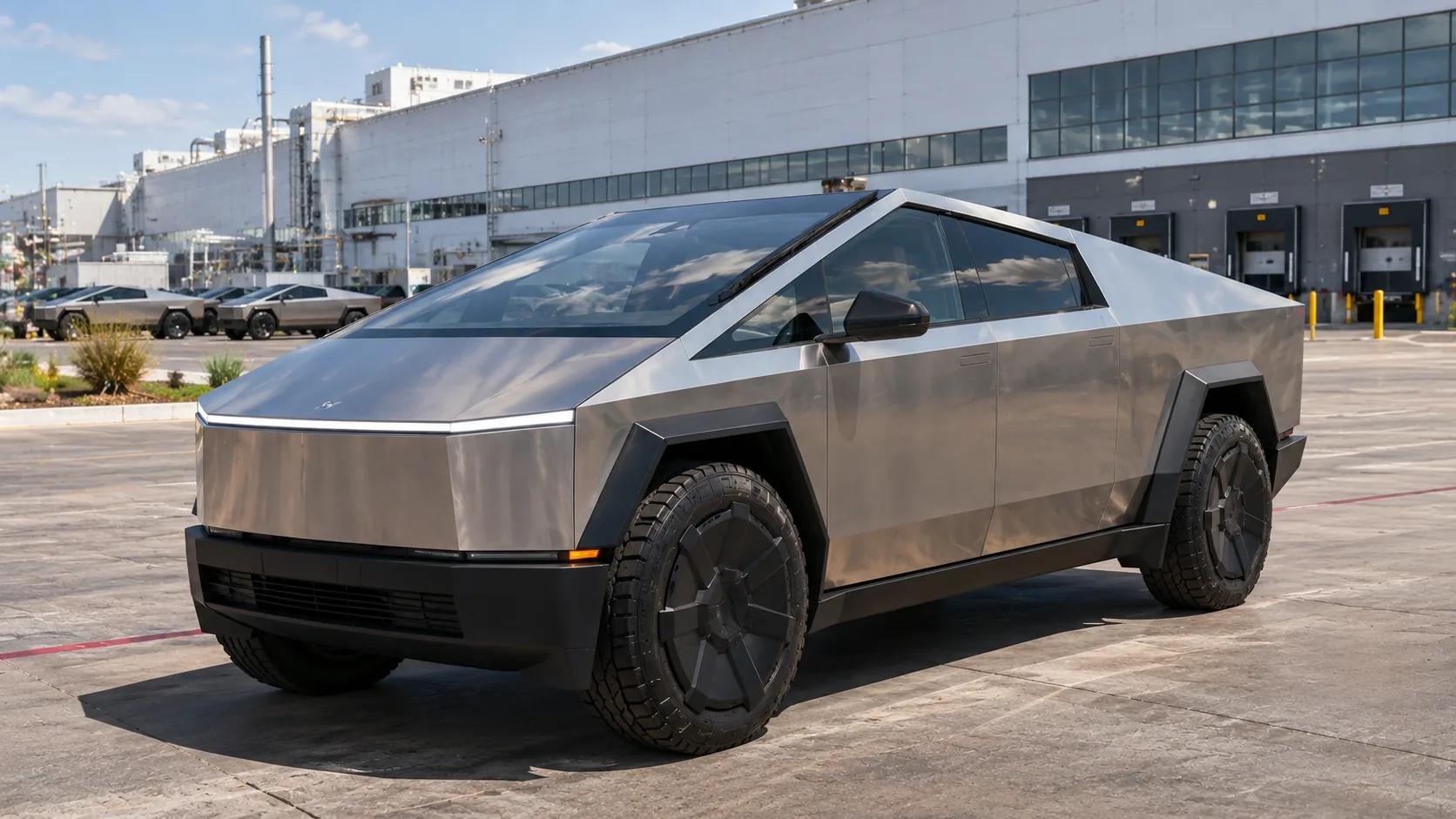
Elon Musk announced the planned production change in a post on X on Friday, November 6. He said Tesla would wind down Cybertruck production at Gigafactory Texas around the middle of next year to make room for increased Cybercab production.
The statement identifies the immediate reason for the factory change: Tesla wants more manufacturing capacity for its two-seat autonomous vehicle.
However, the announcement leaves an important question unanswered. Tesla has not clearly explained whether Cybertruck production will be transferred to another manufacturing location or whether the company intends to stop building the pickup altogether.
That distinction matters for existing owners, customers with outstanding orders and people considering purchasing a Cybertruck. A production wind-down at one factory is not automatically the same as a confirmed global model discontinuation.
Tesla has not yet provided a detailed transition schedule, final production date or complete explanation of what will happen to Cybertruck manufacturing equipment and supply arrangements.
Cybercab Production Is Becoming a Bigger Priority
The Cybercab is central to Tesla's ambition to become more than a conventional electric vehicle manufacturer. The company wants to develop a transportation network built around autonomous vehicles that can operate as robotaxis.
Unlike the Cybertruck, which is designed as a pickup for individual owners, the Cybercab is a two-seat vehicle developed around autonomous transportation.
Tesla's decision to make additional factory space available for Cybercab production reflects the company's growing focus on artificial intelligence, autonomy and robotaxi services.
The shift also highlights the changing priorities inside Tesla. The company is increasingly presenting its future around autonomous mobility and robotics, rather than relying exclusively on expanding its traditional passenger-car and pickup lineup.
However, increasing Cybercab production will not automatically guarantee commercial success. Autonomous vehicles must meet regulatory requirements, operate safely and demonstrate that their business model can work at scale.
Reuters has also reported that U.S. safety regulators are examining aspects of the Cybercab's self-certification. That makes the development of the robotaxi program an important issue to watch alongside the Cybertruck production decision.
The Cybertruck's Sales Performance Fell Short of Expectations
When Tesla introduced the Cybertruck in November 2019, Elon Musk made ambitious predictions about its future sales. At one point, he projected that annual demand could reach approximately 250,000 vehicles.
The actual market performance has been much lower.
According to Kelley Blue Book estimates cited by Reuters, Tesla sold 20,237 Cybertrucks in the United States during 2025, compared with 38,965 in 2024. That represents a decline of approximately 48%.
Sales also remained under pressure during 2026. Reports citing Kelley Blue Book data indicate that U.S. Cybertruck sales through September 2026 were down another 28% compared with the same period a year earlier.
These figures help explain why Tesla may be reconsidering how much factory capacity should be dedicated to the electric pickup.
The Cybertruck generated enormous public attention, but strong initial interest did not translate into the level of sustained demand Tesla originally expected.
Price Changes and Recalls Added to the Challenge
The Cybertruck's journey from concept to production was not straightforward.
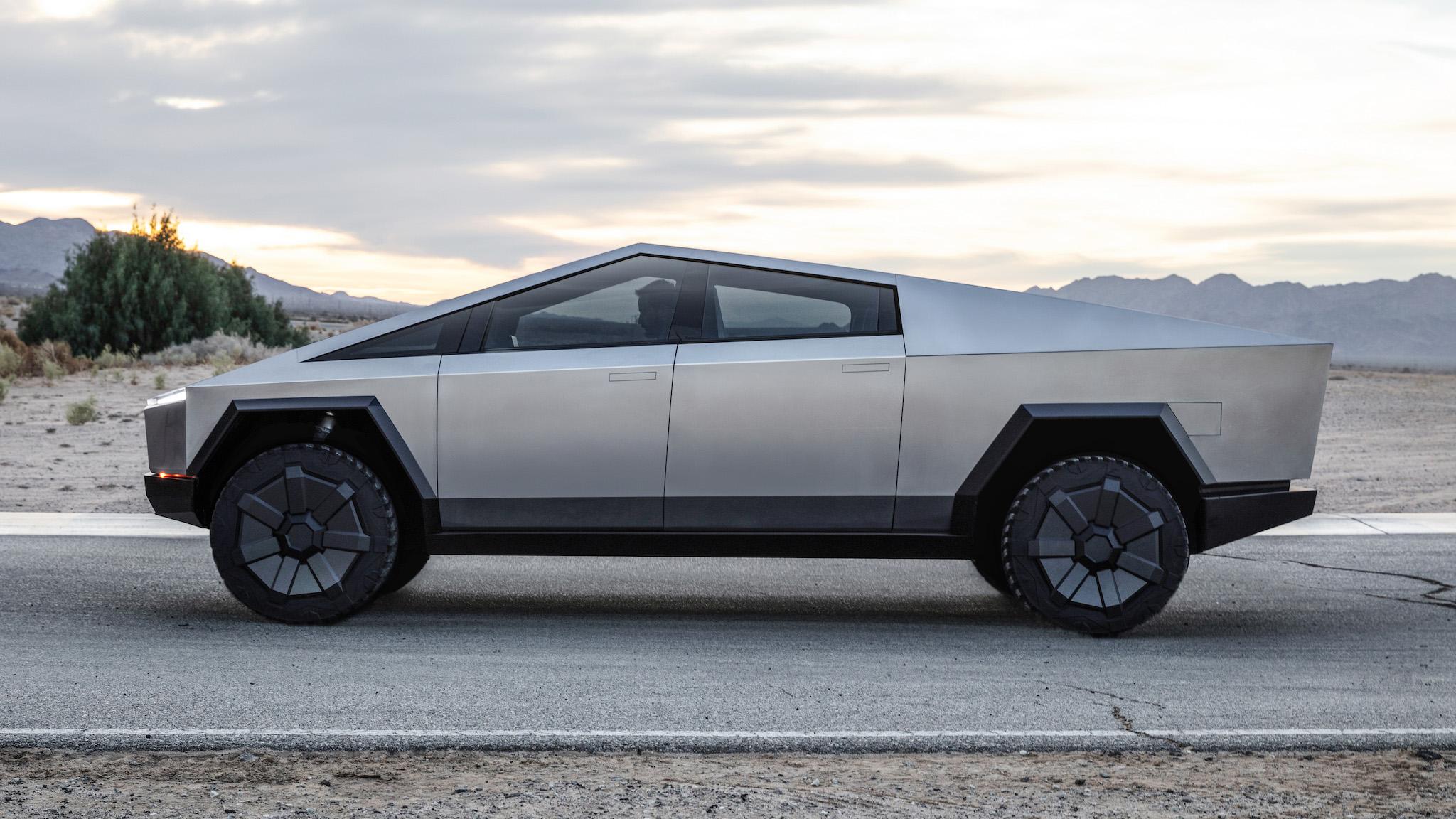
The original 2019 unveiling attracted attention because of its unusual stainless-steel construction, angular body design and ambitious performance claims. However, the production version arrived several years later than initially planned.
Pricing also changed significantly.
Tesla originally advertised much lower starting prices at the 2019 unveiling than the prices customers encountered when production vehicles became available. Over time, the company introduced different trims and revised prices as it attempted to position the Cybertruck in the electric pickup market.
The vehicle also experienced multiple recalls and quality-related issues.
Reuters reported that the Cybertruck had faced 11 recalls since entering customer service in late 2023. Some required physical repairs, while others were addressed through over-the-air software updates.
Among the reported issues were an accelerator pedal component that could become trapped and a light bar that could detach. These developments added to the challenges surrounding the vehicle's early ownership experience.
What Happens to Cybertruck Owners and Future Buyers?
For current Cybertruck owners, the production announcement does not mean their vehicles will immediately become unsupported.
Vehicle production and after-sales support are separate matters. Even when a manufacturer stops building a model, it may continue providing service, replacement parts, software updates and warranty support.
Tesla has not announced a complete after-sales support plan connected specifically to the proposed Cybertruck production wind-down.
Potential buyers should also avoid assuming that the announcement automatically means the remaining vehicles will become collectible or increase in value. Used-vehicle prices depend on demand, condition, supply, repair costs and many other factors.
Customers considering a purchase should pay attention to the warranty, service availability, parts supply and the exact vehicle configuration being offered.
The final manufacturing decision and any future changes to availability will be important developments to follow.
A Bigger Shift in the American Electric Vehicle Market
The Cybertruck announcement is about more than one vehicle.
It highlights the difficulty of building a successful electric pickup in the United States. Electric trucks have attracted attention from several major manufacturers, but the segment has faced challenges involving pricing, customer demand, range expectations, charging access and the practical requirements of truck buyers.
Traditional pickup customers often consider towing capability, payload, driving range, durability, repair costs and long-distance usability before purchasing a truck.
Electric pickups must compete on these factors while also convincing buyers that the benefits of electric propulsion justify the purchase price.
Tesla's decision to redirect factory capacity toward Cybercab production suggests that the company sees a larger opportunity in autonomous transportation.
That does not mean electric pickups have no future. It means manufacturers must carefully match production capacity to actual customer demand.
What Comes Next for Tesla?
The next major question is how Tesla will use the manufacturing space currently dedicated to Cybertruck production.
The company has identified increased Cybercab production as its reason for the planned wind-down. However, the scale and timing of that transition remain important unknowns.
Several developments will be worth watching:
Whether Tesla confirms a final Cybertruck production date.
Whether manufacturing moves to another facility.
How existing Cybertruck orders will be handled.
Whether Tesla announces further changes to the pickup's availability.
How quickly Cybercab production increases at Gigafactory Texas.
Whether autonomous robotaxi operations expand beyond their current locations.
These developments will help determine whether the Cybertruck's production wind-down is a factory-level adjustment or the beginning of a permanent exit for the model.
Final Thoughts: The End of a Major Chapter for Tesla's Electric Pickup
The Tesla Cybertruck was one of the most recognizable and controversial vehicle launches of the modern electric-car era.
Its stainless-steel construction, unusual proportions and ambitious promises made it impossible to ignore. Supporters viewed it as a bold step toward a different future for pickup trucks, while critics questioned its practicality, price and design.
Now, Tesla is preparing to wind down production at Gigafactory Texas around mid-2027, shifting attention toward the Cybercab robotaxi program.
The decision reflects the gap between the Cybertruck's original sales ambitions and its actual performance in the American market. It also shows how quickly Tesla's strategic priorities are changing.
However, the full future of the Cybertruck remains uncertain. Tesla has not yet clarified whether production will move elsewhere or end completely.
For American truck enthusiasts and the wider automotive industry, this is a significant development. The Cybertruck changed the conversation around electric pickups, even if it did not achieve the sales success Tesla originally expected.
The coming months should provide a clearer picture of what happens next.
Frequently Asked Questions
Is Tesla discontinuing the Cybertruck?
Tesla has announced plans to wind down production at Gigafactory Texas around mid-2027. It has not clearly confirmed whether production will end completely or move to another facility.
When will Cybertruck production wind down?
Elon Musk said the production wind-down is expected around the middle of 2027.
Why is Tesla reducing Cybertruck production?
Tesla wants to make additional factory capacity available for increased production of its Cybercab autonomous vehicle.
Will Tesla continue supporting existing Cybertruck owners?
The production announcement does not itself end warranty or service obligations. Tesla has not announced a separate support change connected to the planned wind-down.
How many Cybertrucks did Tesla sell in 2025?
Kelley Blue Book estimates cited by Reuters put U.S. sales at 20,237 units in 2025, down approximately 48% from 2024.
Does this mean electric pickup trucks are finished in America?
No. It is a development involving Tesla's Cybertruck strategy. It does not mean that other electric pickup programs will automatically end.
Have thoughts, dyno data, or build feedback?
Join automotive enthusiasts in the paddock below to debate engineering, lap times, and modifications.
Community Pulse
How does this machine make you feel? Drop your reaction!

VehicleDrugs Editorial
VehicleDrugs Editorial Team
A passionate collective of automotive purists, track drivers, and mechanical engineers uncovering high-octane engineering breakthroughs worldwide.
🏁 Pit Crew Discussions
Drop your telemetry, debate the engineering, or talk track times with fellow petrolheads.
The Pit Lane is Quiet
Be the first driver to drop your opinion on this machine!