
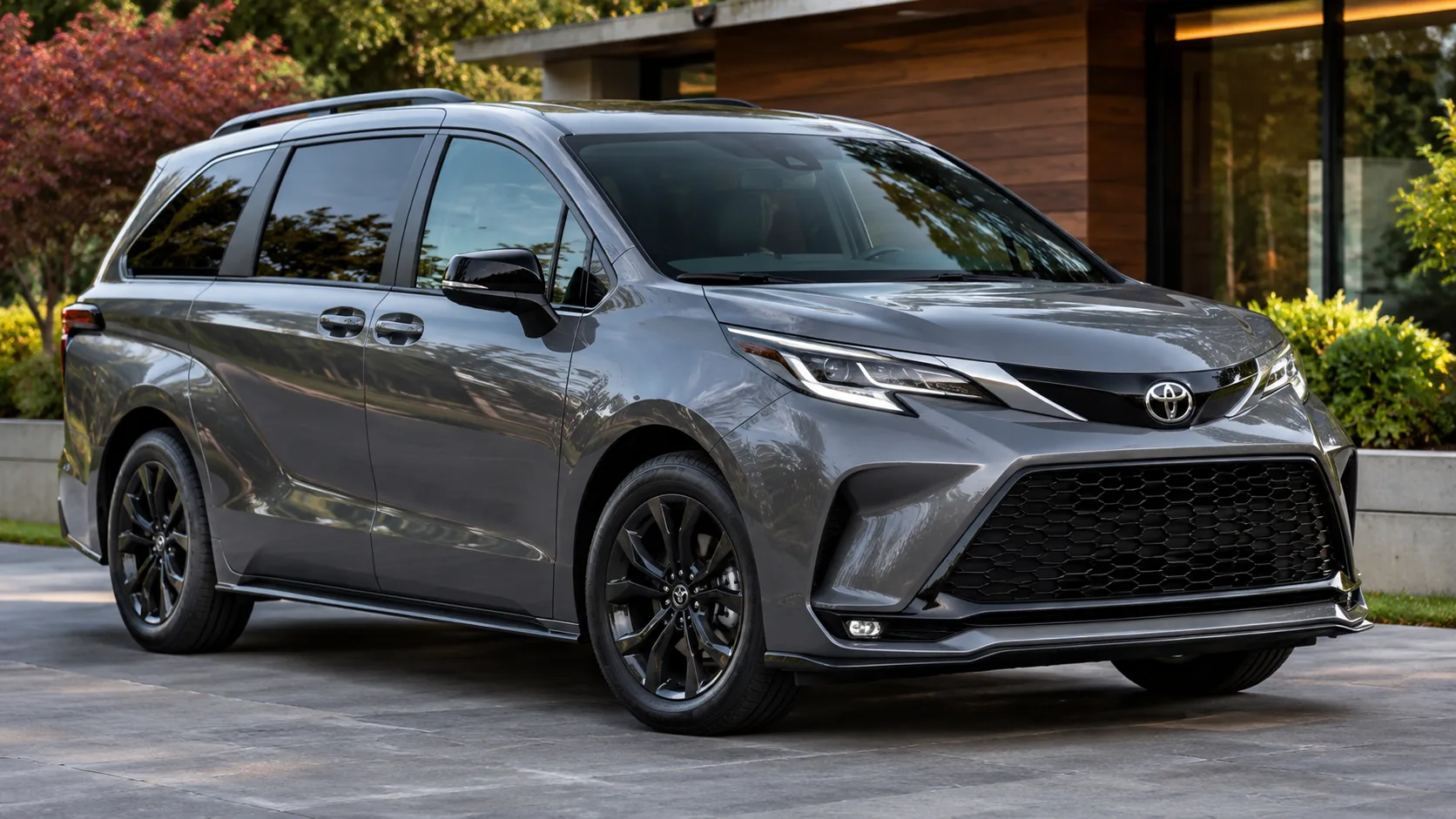
2027 Toyota Sienna: New Hybrid System, 37 MPG and More Updates
The 2027 Toyota Sienna gets a new hybrid system, 251 horsepower, improved fuel economy estimates, updated safety technology and standard 12.3-inch displays.
HEAD-TO-HEAD MUSCLE CAR VS COMPARISON
Compare 0-60, peak horsepower, torque, and quarter-mile times across iconic builds.
2027 Toyota Sienna: More Power, Better MPG, and a New Hybrid System — But
Is It Really Better?
Toyota is making a significant engineering update to the 2027 Sienna, but
you might not notice it immediately. The minivan keeps its familiar overall
design. The bigger changes are underneath: a new sixth-generation Toyota Hybrid
System, updated electric motors, a lithium-ion battery, revised steering and
braking hardware, and a more advanced technology package.
The headline number is 251 horsepower, up from 245 hp in the previous model.
But the extra six horsepower is only a small part of the story. Toyota has also
retuned the 2.5-liter engine for quieter acceleration, revised the hybrid
hardware and improved its manufacturer-estimated fuel economy.
The 2027 Sienna also gains standard 12.3-inch displays, Toyota Safety Sense
4.0 and additional equipment across the lineup. Yet some things remain
familiar, including the basic exterior design and the minivan's established
seating layout.
That raises a more useful question than whether six extra horsepower makes a
difference: has Toyota improved the parts of the Sienna that matter most to families,
or does the 2027 update leave some important compromises untouched?
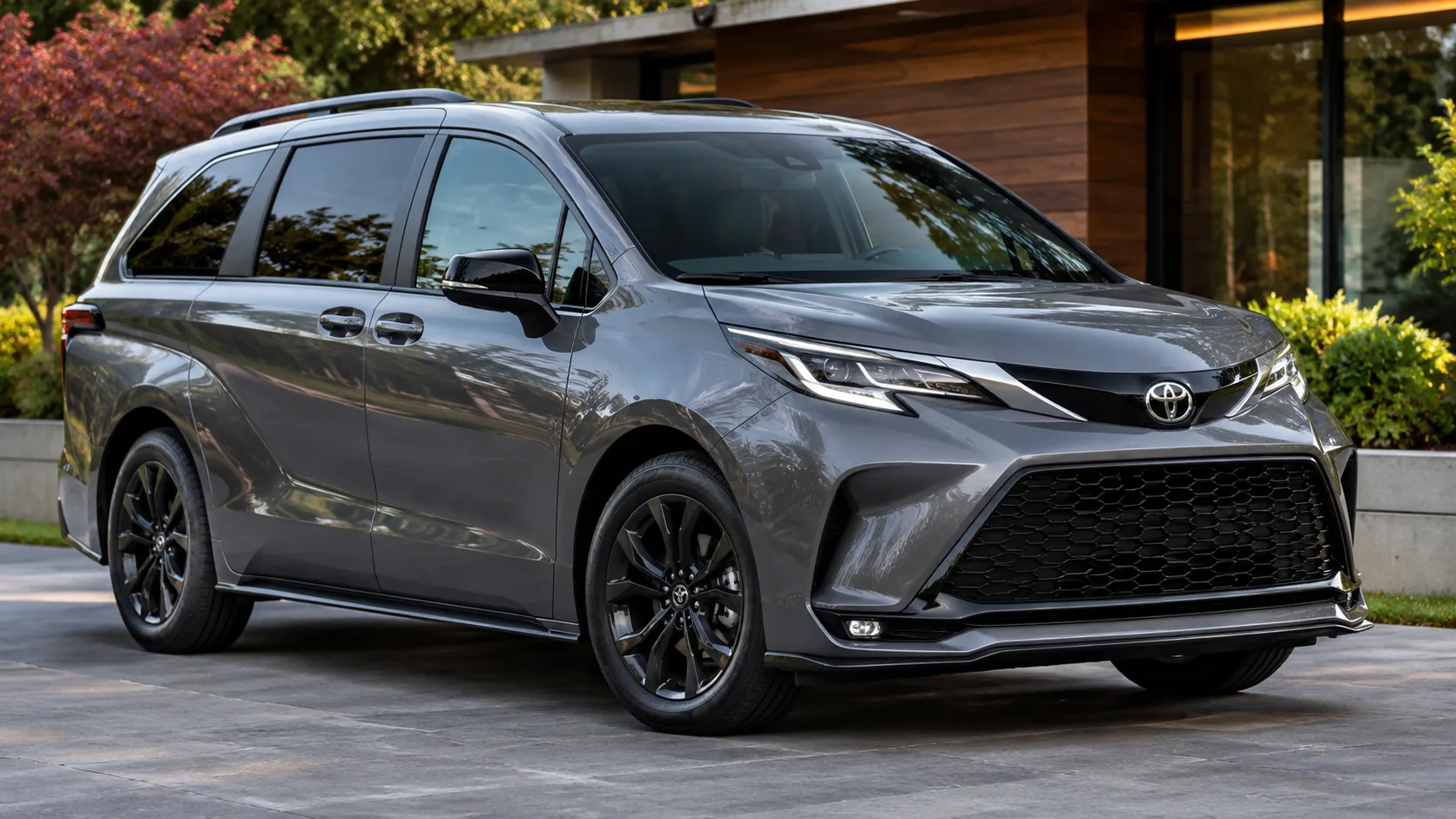
What's New on the 2027 Toyota Sienna?
The 2027 Sienna is an updated version of the existing generation, not an
all-new model. Toyota has concentrated on the powertrain, driving hardware,
safety systems and interior technology rather than redesigning the entire
vehicle.
The main updates include:
·
A sixth-generation Toyota Hybrid System, known
as THS 6.
·
A retuned 2.5-liter four-cylinder engine.
·
New electric motors using silicon-carbide
conductors.
·
A 1.15-kWh lithium-ion hybrid battery.
·
Combined system output increased to 251
horsepower from 245 hp.
·
Toyota-estimated fuel economy of 39 mpg city, 35
mpg highway and 37 mpg combined for both FWD and AWD.
·
Updated electric power steering and
electronically controlled braking hardware.
·
Toyota Safety Sense 4.0.
·
Standard 12.3-inch infotainment touchscreen and
12.3-inch digital gauge cluster across all grades.
·
A standard drive recorder dash camera.
·
Storm Cloud exterior paint, replacing the
discontinued Cypress color.
Toyota expects the 2027 Sienna to reach U.S. dealerships by early 2027.
Full-line pricing will be announced closer to its arrival.
The Sixth-Generation Hybrid System Is the Biggest Change
The most important update is Toyota's sixth-generation hybrid system. The
Sienna already used a hybrid-only powertrain, so Toyota has not changed the
vehicle's basic approach. Instead, it has revised the components responsible
for combining gasoline power with electric assistance.
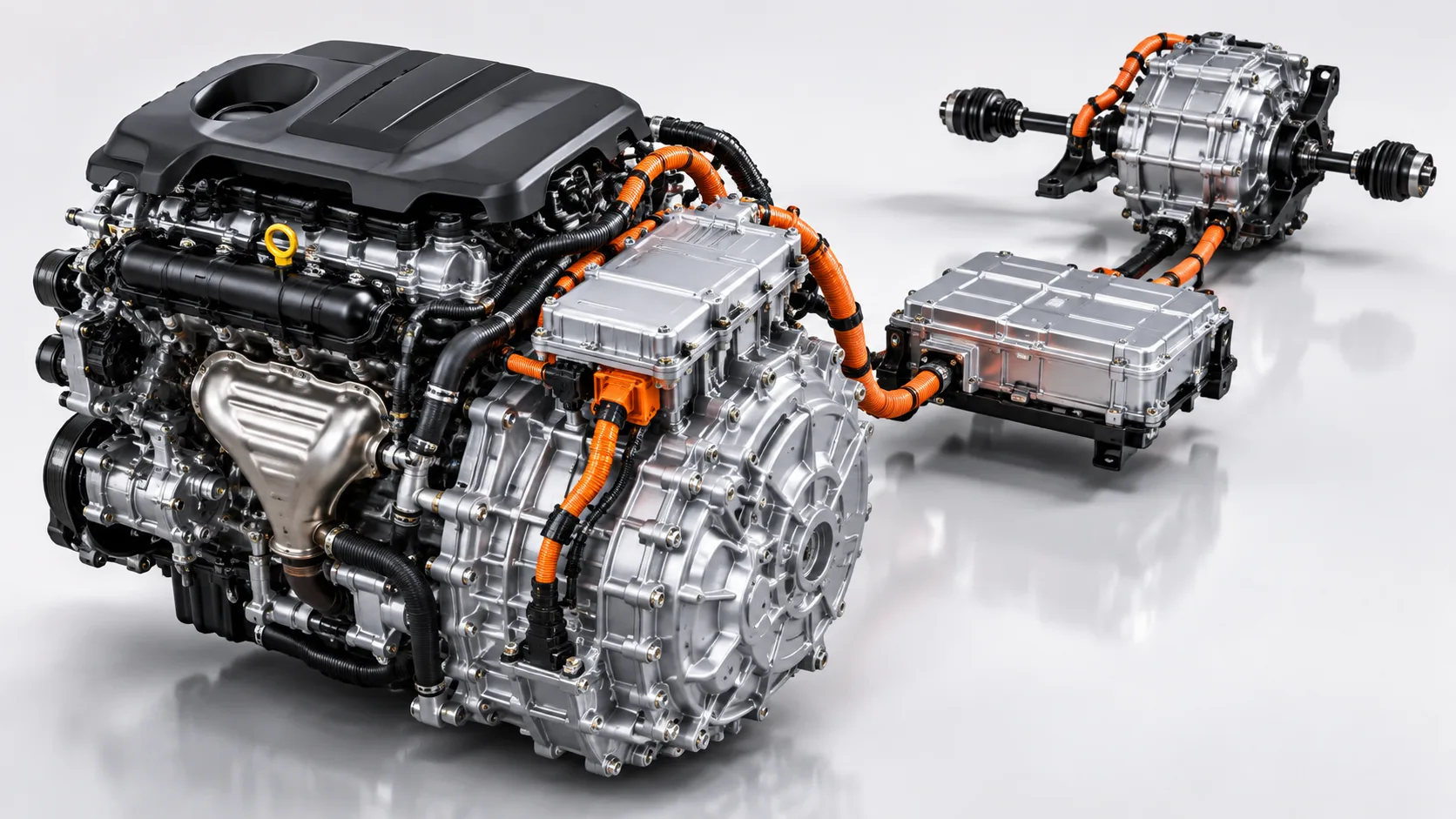
The system continues to use a 2.5-liter four-cylinder engine, but Toyota has
retuned it to operate at lower engine speeds during low- and mid-speed
acceleration. The company says this is intended to make the vehicle quieter in
situations such as parking-lot driving and acceleration between 50 and 70 mph.
Combined system output rises to 251 horsepower, compared with 245 hp in the
previous model. Engine torque remains 176 lb-ft.
That distinction matters. The 251-hp figure represents the combined hybrid
system output; it is not the gasoline engine's standalone horsepower rating.
Toyota has increased the system's total output while retaining the same stated
engine torque.
For a family minivan, the way that power is delivered is arguably more
important than the headline number. Smooth takeoffs, predictable response in
traffic and quieter acceleration can make a bigger difference to everyday
comfort than a small increase in peak output.
Lithium-Ion Battery and Silicon-Carbide Motor Technology
The updated system uses a 1.15-kWh lithium-ion battery and new electric
motors with highly efficient silicon-carbide conductors.
Toyota specifies a 124-kW drive motor. All-wheel-drive models also receive a
40-kW rear motor, which provides electric assistance to the rear wheels.
The inverter is integrated into the hybrid transaxle. Toyota says this helps
make the system more compact, reduce overall unit weight and lower its center
of gravity. The company has also revised the system's internal components and
fluids to reduce friction and support efficiency.
These are engineering changes rather than features that will necessarily be
obvious from the driver's seat. Their value is in how effectively the hybrid
system manages energy, supports acceleration and operates under everyday
conditions.
Is the 2027 Sienna Faster?
Toyota estimates a 0–60 mph time of 7.5 seconds for front-wheel-drive models
and 7.6 seconds for all-wheel-drive versions. The previous model's
manufacturer-estimated figure was 7.9 seconds.
That is an improvement, but it does not change the Sienna's purpose. This is
a passenger-focused minivan designed for family transportation, not a
performance vehicle.
The more relevant benefit may be the revised engine calibration and additional
electric assistance. Toyota's stated goal is quieter acceleration at low and
medium speeds, where drivers are more likely to notice engine noise during
routine use.
The 2027 Sienna should therefore be judged less by whether it feels
dramatically faster and more by whether it delivers its power more smoothly.
2027 Toyota Sienna Fuel Economy: Toyota Targets 37 MPG Combined
Fuel economy is one of the Sienna's strongest selling points, and Toyota is
targeting an improvement for 2027.
The company's manufacturer-estimated ratings are:
|
Drivetrain |
City |
Highway |
Combined |
|
Front-wheel drive |
39 mpg |
35 mpg |
37 mpg |
|
All-wheel drive |
39 mpg |
35 mpg |
37 mpg |
Toyota says the city estimate improves by 3 mpg for front-wheel-drive models
and 4 mpg for all-wheel-drive models compared with the previous model.
These figures are Toyota estimates, not final EPA-certified ratings. The
official EPA figures should be checked when they are published.
The city rating is particularly relevant for a family minivan. School runs,
short trips, stop-and-go traffic and frequent low-speed driving are common
parts of minivan ownership. Hybrid systems can recover energy during deceleration
and use electric assistance when moving away from a stop, making this type of
driving a natural fit.
Highway use places different demands on a hybrid system because the gasoline
engine generally does more of the work at sustained speeds. Even so, Toyota's
projected 37 mpg combined rating would make the Sienna an appealing option for
buyers who cover significant annual mileage.
The real-world result will depend on driving conditions, passenger and cargo
loads, weather, speed and driving style. Buyers should wait for EPA ratings and
independent testing before treating Toyota's estimates as guaranteed everyday
results.
Steering and Braking Updates Target Everyday Comfort
Toyota has revised the Sienna's electric power steering system for 2027.
Changes include a new steering column, steering gearbox, motor control unit and
torque sensor, along with software refinements.
Toyota says the system is tuned to reduce steering effort at low speeds,
making parking easier, while improving the sense of stability around the
steering center at highway speeds.
The braking system also receives an update. The 2027 Sienna uses a new
electronically controlled braking system, including Vehicle Braking Posture
Control. Toyota says the system is designed to improve brake response and use
braking inputs at selected wheels to help manage body movement when turning.
These changes are relevant because hybrid vehicles combine regenerative
braking with conventional friction braking. The way those systems work together
can influence how natural the brake pedal feels, particularly as the vehicle
slows to a stop.
The updated hardware is intended to improve the driving experience without
changing the Sienna's family-focused character. How noticeable the improvements
are will ultimately depend on independent road tests and comparisons with the
outgoing model.
The Exterior Remains Familiar
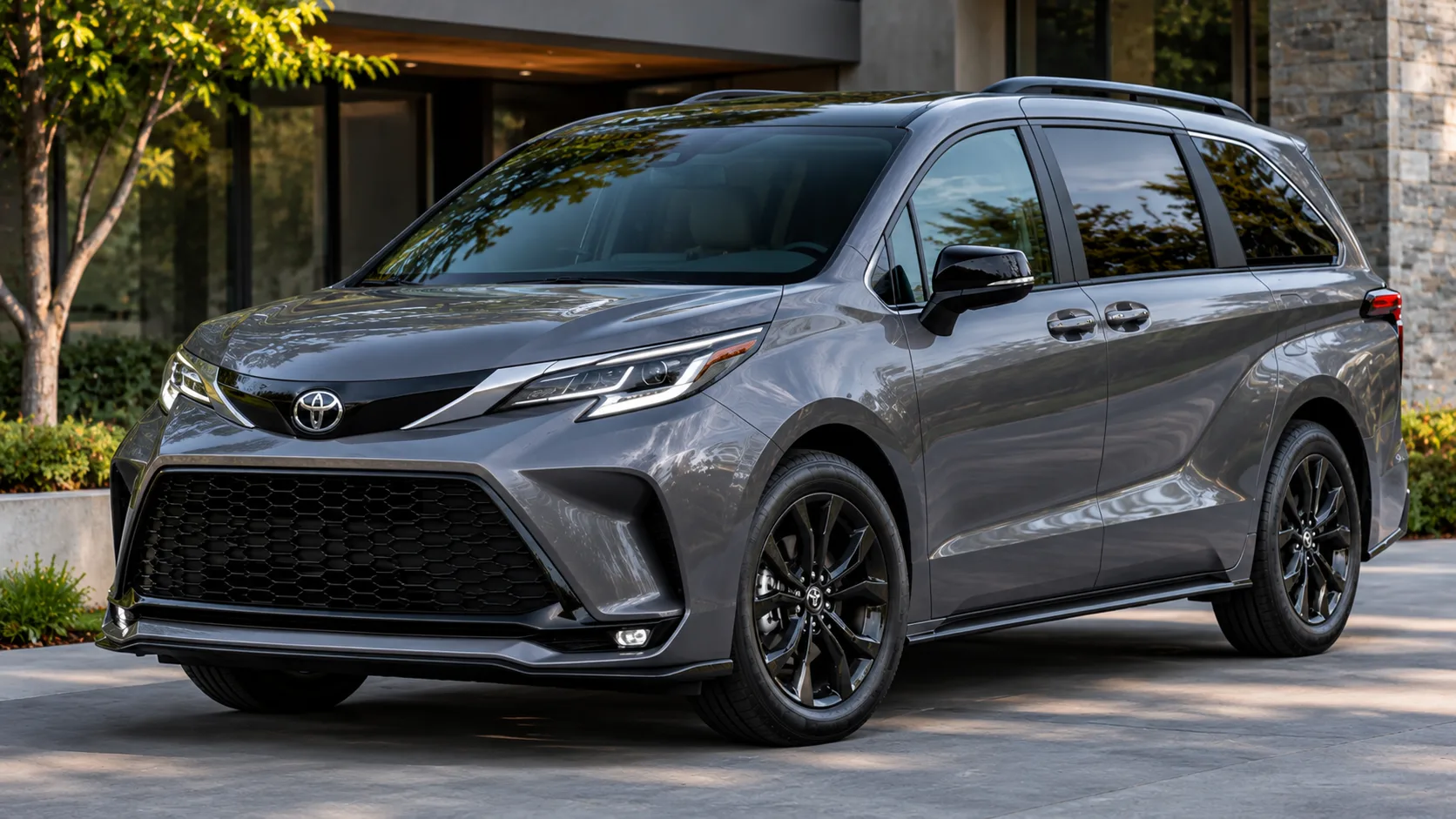
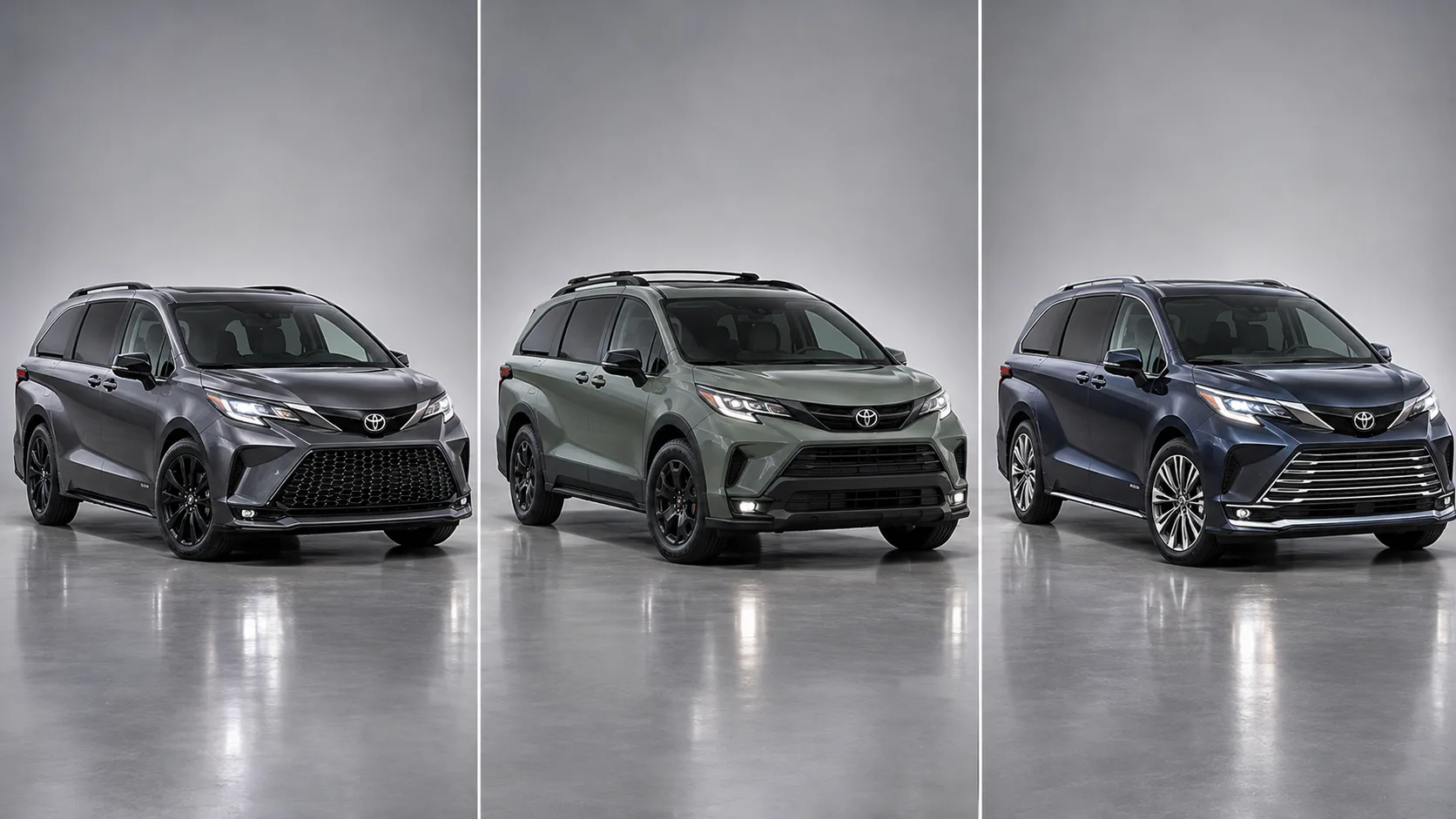
Toyota has not given the 2027 Sienna a full exterior redesign. The vehicle
retains the current generation's overall shape and proportions.
The main color change is the addition of Storm Cloud, while Cypress is
discontinued. Buyers looking for a completely different front-end design, new
body shape or a major visual transformation will not find that in this update.
That does not make the changes underneath unimportant. Toyota has chosen to
concentrate on the powertrain, safety systems, steering, braking and cabin
technology instead of replacing the existing body design.
It is more accurate to describe the 2027 Sienna as a substantial technical
update to the current generation than as an all-new Sienna.
Interior and Technology: 12.3-Inch Displays Become Standard
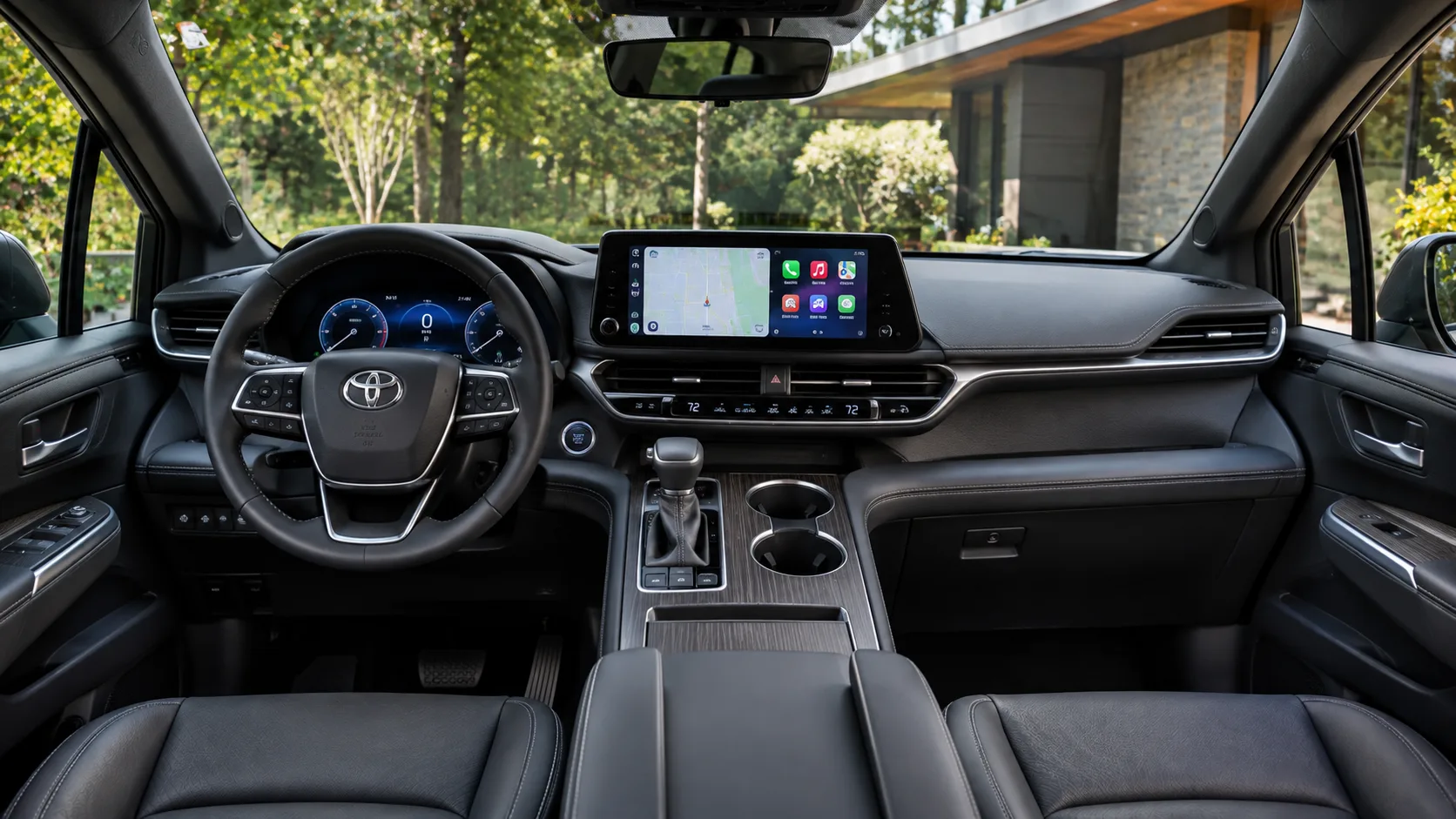
The cabin receives a more visible technology update. Every 2027 Sienna grade
now comes with a 12.3-inch infotainment touchscreen and a 12.3-inch digital
gauge cluster.
This is a particularly useful change for buyers considering the lower
grades. Toyota says the LE previously had an 8-inch infotainment screen, while
the LE and XLE used a 7-inch multi-information display. The larger screens are
now standard across the lineup.
The latest version of Toyota Audio Multimedia is included, with wireless
Apple CarPlay and Android Auto support. A drive recorder dash camera is also
standard.
Selected grades offer additional equipment. The XSE adds standard ventilated
front seats, a driver's seat memory function, a panoramic view monitor and a
10-inch head-up display. The Woodland Edition also receives a panoramic view
monitor as standard equipment.
For buyers who want rear-seat entertainment, the available system on
Woodland, XSE and Platinum models now uses a 12.9-inch touchscreen.
The changes make the technology package more consistent across the range.
However, the exact equipment still varies by grade, so buyers should compare
the official trim specifications rather than assume every feature is included
on every Sienna.
Toyota Safety Sense 4.0 Adds Updated Driver-Assistance Technology
The 2027 Sienna moves to Toyota Safety Sense 4.0, supported by an updated
electrical platform, sensors and hardware.
Toyota lists features including:
·
Pre-Collision System with Pedestrian Detection.
·
Full-Speed Range Dynamic Radar Cruise Control.
·
Lane Departure Alert with Steering Assist.
·
Lane Tracing Assist.
·
Road Sign Assist.
·
Automatic High Beams.
·
Proactive Driving Assist.
The updated system also enables features such as the Emergency Driving Stop
System and Safe Exit Assist, alongside Trailer Sway Control. The Sienna also
includes Blind Spot Monitor with Rear Cross-Traffic Alert and a standard drive
recorder.
These systems are designed to support the driver, not replace an attentive
driver. They do not make the vehicle autonomous, and their operation can depend
on road markings, weather, traffic and other conditions.
The important development is that Toyota is bringing its newer safety
technology to the Sienna while updating the vehicle's electronic architecture.
The practical value will depend on how consistently the systems perform in real
traffic.
Does the Sienna Still Work as a Family Minivan?
The Sienna continues to focus on passenger space and family flexibility.
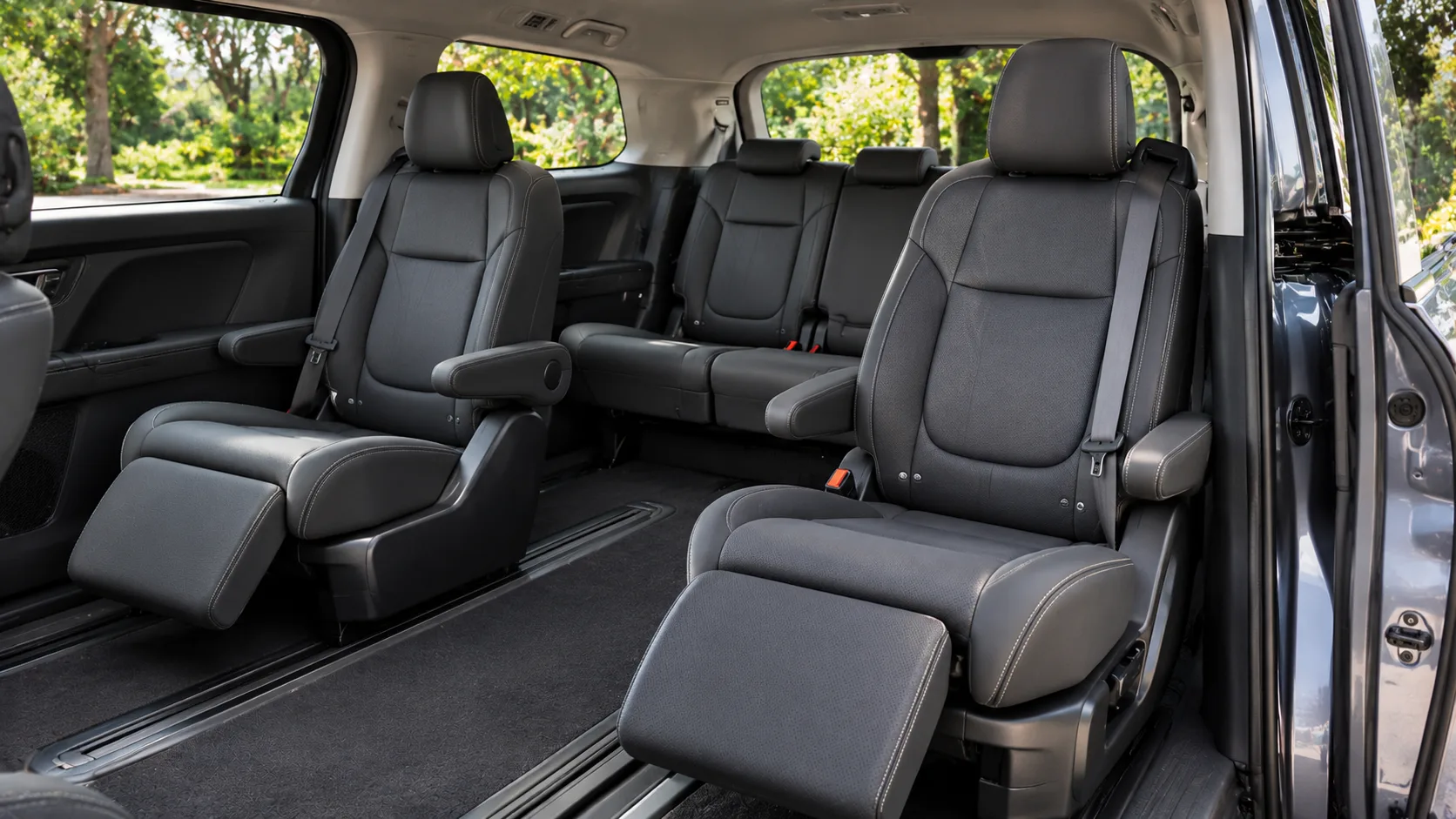
Toyota offers seven- and eight-passenger configurations, depending on grade and
seating arrangement.
The LE and selected XLE configurations offer eight-passenger seating with a
second-row bench and a stowable center seat. Seven-passenger versions use
second-row captain's chairs with Toyota's Super Long Slide function. Toyota
says these seats can slide up to 25 inches.
Toyota lists 39.9 inches of second-row legroom and 38.7 inches in the third
row. The company also lists 101.0 cubic feet of cargo capacity behind the front
seats and 75.2 cubic feet behind the second row with the third row folded.
Those figures show why the Sienna remains a practical choice for families
who regularly carry passengers and luggage. The sliding second-row seats also
give occupants more flexibility to balance legroom and access to the third row.
Buyers who regularly need to transform the cabin for bulky cargo should
examine the seating systems in person before deciding. Seating configurations
and available features vary by grade.
The Sienna's strengths are its passenger-focused layout, hybrid powertrain
and available AWD. Its seating arrangement may not suit every buyer's idea of
maximum cargo flexibility.
How the Sienna Compares With Its Main Rivals
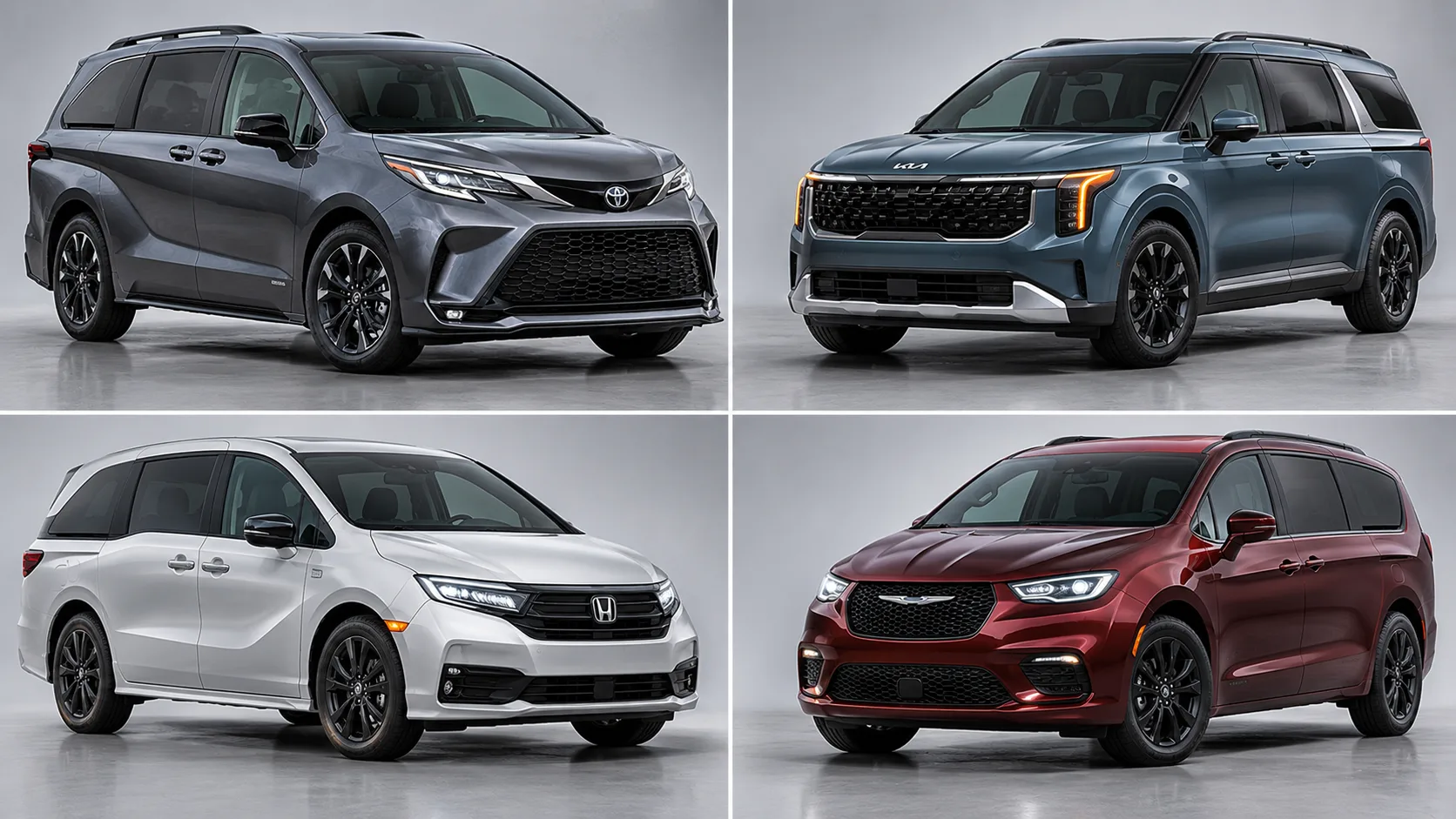
The minivan segment offers several different approaches to family
transportation. The Toyota Sienna, Kia Carnival, Honda Odyssey and Chrysler
Pacifica each appeal to buyers with different priorities.
Toyota Sienna vs. Kia Carnival
The Kia Carnival is a key alternative for shoppers comparing modern
minivans. Kia offers a different exterior design and a range of equipment and
powertrain choices that vary by model year and trim.
The Sienna's strongest argument is its standard hybrid powertrain, projected
37 mpg combined fuel economy and available all-wheel drive. Those features may
appeal to families who want efficiency without having to plug in the vehicle.
The Carnival should also be considered by buyers who place particular
importance on its cabin presentation, available equipment and
driving-assistance features. The best comparison is between equivalent model
years and similarly equipped trims, not simply the headline specifications.
Toyota Sienna vs. Honda Odyssey
The Honda Odyssey takes a different powertrain approach, using a
conventional V6 rather than the Sienna's hybrid-only setup.
That distinction will matter to buyers. The Sienna is aimed at families who
place a high priority on fuel economy, while the Odyssey may appeal to shoppers
who prefer a traditional gasoline engine and Honda's particular interior and
seating approach.
The decision should come down to the way the vehicle will be used. Annual
mileage, fuel costs, passenger needs and the actual purchase price are more
useful considerations than horsepower alone.
Toyota Sienna vs. Chrysler Pacifica
The Chrysler Pacifica is another important alternative, especially for
buyers interested in interior flexibility and the plug-in-hybrid option where
available.
The Sienna counters with a standard hybrid powertrain and available AWD. It
does not require owners to plug in the vehicle to use its hybrid system.
For shoppers, the most important differences are likely to be seating
flexibility, powertrain preference, charging needs, available AWD, equipment
and price. The final decision should be based on the exact versions being
considered.
What Has Toyota Improved—and What Has It Left Alone?
The 2027 Sienna is an engineering-focused update. Toyota has revised the
hybrid system, added a new battery, updated the electric motors, retuned the
engine and improved the steering and braking hardware. It has also made larger
displays standard and moved the vehicle to Toyota Safety Sense 4.0.
Those changes address areas that can affect everyday ownership. The updated
hybrid system could improve the way the vehicle responds in traffic, while the
projected fuel-economy improvement could matter to families covering many miles
each year.
But the update does not remove every compromise. The exterior remains
familiar, and the final value equation cannot be judged until Toyota announces
pricing and the EPA publishes its ratings.
VehicleDrugs Analysis: Six More Horsepower Is Not the Main Story
The increase from 245 to 251 horsepower is easy to put in a headline. It is
not, however, the most meaningful part of the 2027 update.
A family minivan spends much of its life accelerating from low speeds,
slowing down, carrying passengers and moving through traffic. The way the
hybrid system delivers electric assistance, the amount of engine noise entering
the cabin and the feel of the brakes can influence daily comfort more often
than a small increase in peak horsepower.
Toyota's decision to focus on the hybrid hardware and driving refinement
therefore makes sense. If the final EPA ratings confirm the company's
estimates, the Sienna could strengthen its position as an efficient family
vehicle with available all-wheel drive.
The trade-off is that Toyota has not changed the basic body or seating
philosophy. Buyers who want maximum interior flexibility may prefer to compare
other minivans. Those waiting for a dramatic redesign will also have to wait
longer.
The 2027 Sienna is not a reinvention. It is Toyota's attempt to make an
established family vehicle more efficient, quieter and better equipped.
Who Should Consider the 2027 Toyota Sienna?
The updated Sienna deserves attention from several types of buyers.
Families with high annual mileage: Toyota's projected 37
mpg combined rating could make the Sienna appealing to households that spend a
lot of time on the road. Final EPA figures and real-world testing will be
important.
Buyers who want a hybrid with available AWD: The Sienna
combines a standard hybrid powertrain with the option of all-wheel drive, a
useful combination for shoppers who want efficiency and additional traction.
Families who value standard technology: The 12.3-inch
touchscreen, 12.3-inch digital gauge cluster and Toyota Safety Sense 4.0 give
the 2027 model a more advanced standard equipment package.
Current Sienna owners considering an upgrade: The new
hybrid hardware, revised braking system and technology updates may be
attractive to owners who want a more refined version of the current vehicle.
The Sienna may be less suitable for shoppers who want a completely
redesigned exterior or prefer a conventional V6 powertrain.
Before choosing a grade, buyers should compare the seating configuration and
standard equipment carefully. The differences between LE, XLE, XSE, Woodland
Edition and Platinum may influence the decision more than the six-horsepower
increase.
2027 Toyota Sienna Price and Release Date
Toyota expects the 2027 Sienna to arrive at dealerships across the United
States by early 2027.
The company has not announced full-line U.S. pricing. Toyota says pricing
information will be released at a later date, closer to the vehicle's arrival.
That means buyers should treat unofficial prices and estimates as
unconfirmed. The final MSRP will be important when comparing the Sienna with
the Kia Carnival, Honda Odyssey and Chrysler Pacifica.
Toyota has announced a revised lineup consisting of LE, XLE, XSE, Woodland
Edition and Platinum grades. The Limited grade is no longer listed in the 2027
range.
The final purchase decision should account for the price of the specific
grade, its seating configuration, available options and the official EPA
fuel-economy figures once published.
Final Verdict: A Smarter Sienna, Not a Completely New One
The 2027 Toyota Sienna is not a dramatic redesign. Instead, Toyota has
concentrated on improving the engineering and technology that influence everyday
family use.
The sixth-generation hybrid system brings updated electric motors, a
lithium-ion battery and a retuned 2.5-liter engine. Combined output rises to
251 horsepower, while Toyota targets 37 mpg combined for both front-wheel-drive
and all-wheel-drive models. The vehicle also gains revised steering and braking
hardware, larger standard displays and Toyota Safety Sense 4.0.
Those are meaningful changes. But the Sienna retains its familiar exterior
and its existing seating philosophy. Buyers who want a completely different
design may find that the update does not address their priorities.
The final judgment will also depend on official EPA ratings and pricing.
Until those are published, Toyota's fuel-economy figures should remain
identified as estimates, and the Sienna's value should not be treated as
settled.
For families who want a hybrid minivan with available AWD and more standard
technology, the 2027 Sienna looks like a stronger version of an established
formula.
Toyota has not reinvented its minivan. It has tried to make the one families
already know work better.
Would you choose a minivan with a completely new design, or one that keeps
its familiar shape while improving the engineering underneath?
2027 Toyota Sienna: Frequently Asked Questions
Is the 2027 Toyota Sienna a new generation?
No. The 2027 Sienna is an updated version of the existing generation. Toyota
has focused on its hybrid system, driving hardware, safety technology and
interior equipment rather than introducing a completely new design.
How much horsepower does the 2027 Toyota Sienna have?
The 2027 Sienna has 251 horsepower in combined hybrid system output, up from
245 hp in the previous model. Toyota lists engine torque at 176 lb-ft.
What is the fuel economy of the 2027 Toyota Sienna?
Toyota estimates 39 mpg city, 35 mpg highway and 37 mpg combined for both
front-wheel-drive and all-wheel-drive models. These are manufacturer estimates,
not final EPA-certified ratings.
Does the 2027 Toyota Sienna have a new hybrid battery?
Yes. The 2027 model uses a 1.15-kWh lithium-ion battery as part of Toyota's
sixth-generation hybrid system.
Is the 2027 Toyota Sienna available with AWD?
Yes. All-wheel drive remains available. AWD versions use an additional 40-kW
rear electric motor as part of the hybrid system.
How fast is the 2027 Toyota Sienna from 0 to 60 mph?
Toyota estimates 7.5 seconds for front-wheel-drive models and 7.6 seconds
for all-wheel-drive models. These are manufacturer estimates, not independent
instrumented test results.
When will the 2027 Toyota Sienna go on sale?
Toyota expects the 2027 Sienna to arrive at U.S. dealerships by early 2027.
How much will the 2027 Toyota Sienna cost?
Toyota has not announced full-line 2027 Sienna pricing. Official pricing is
expected closer to the vehicle's arrival.
What are the 2027 Toyota Sienna trim levels?
The 2027 lineup includes LE, XLE, XSE, Woodland Edition and Platinum. The
Limited grade is no longer listed for 2027.
Does the 2027 Toyota Sienna have a removable second row?
Toyota's U.S. 2027 Sienna information describes sliding and configurable
second-row seating but does not list removable second-row seats as a feature.
Buyers who need that capability should confirm the seat arrangement directly
with a Toyota dealer before purchasing.
Sources & References
1. Toyota
USA Newsroom — Official 2027 Sienna Announcement
Published November 20, 2026.
https://pressroom.toyota.com/toyota-enhances-the-2027-sienna-with-comprehensive-powertrain-and-safety-upgrades/
2. Toyota
USA — 2027 Toyota Sienna Pressroom
Official model information, photographs and media resources.
https://pressroom.toyota.com/vehicle/2027-toyota-sienna/
3. Toyota
USA — 2027 Sienna Press Kit and Media Resources
Official manufacturer photographs and video resources.
https://pressroom.toyota.com/products/press-kits/
4. MotorTrend
— 2027 Toyota Sienna First Drive: We’ll Take Steak Over Sizzle
Independent first-drive coverage of the updated hybrid system, noise levels and
braking response.
https://www.motortrend.com/reviews/first-drive-2027-toyota-sienna/
5. Toyota
Motor North America — Official News Release Distribution
Toyota's November 20, 2026 announcement, distributed through PR Newswire.
https://www.prnewswire.com/news-releases/toyota-enhances-the-2027-sienna-with-comprehensive-powertrain-and-safety-upgrades-302946228.html
Have thoughts, dyno data, or build feedback?
Join automotive enthusiasts in the paddock below to debate engineering, lap times, and modifications.
Community Pulse
How does this machine make you feel? Drop your reaction!

VehicleDrugs Editorial
VehicleDrugs Editorial Team
A passionate collective of automotive purists, track drivers, and mechanical engineers uncovering high-octane engineering breakthroughs worldwide.
🏁 Pit Crew Discussions
Drop your telemetry, debate the engineering, or talk track times with fellow petrolheads.
The Pit Lane is Quiet
Be the first driver to drop your opinion on this machine!