
Mercedes-Benz Delays U.S. GLC Production Until 2030
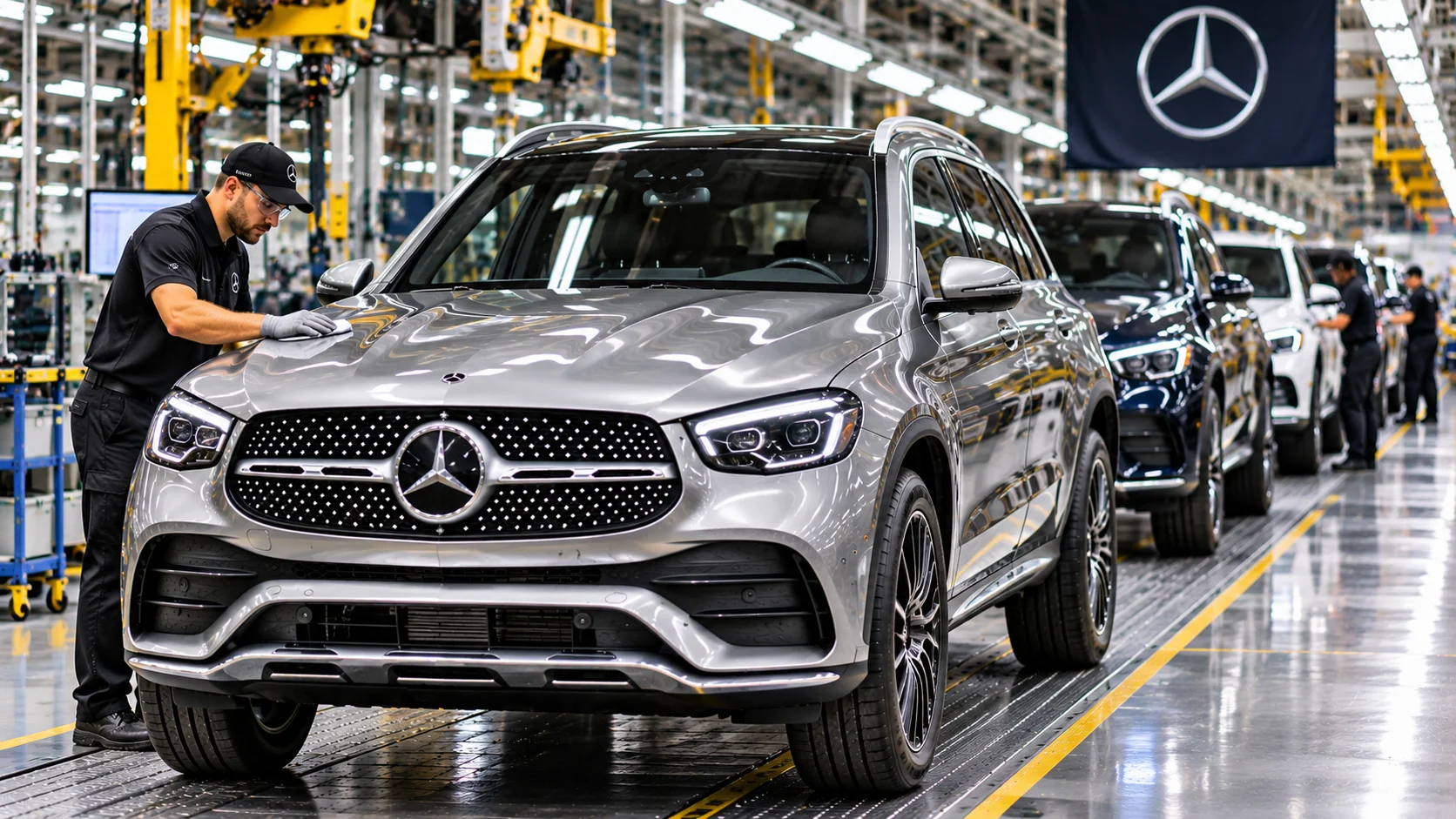
Mercedes-Benz has delayed U.S. GLC production until May 2030, extending imports and tariff exposure while preparing its Alabama plant for the next-generation SUV.
HEAD-TO-HEAD MUSCLE CAR VS COMPARISON
Compare 0-60, peak horsepower, torque, and quarter-mile times across iconic builds.
Mercedes-Benz Delays U.S. GLC Production Until 2030, Extending Tariff Pressure
Mercedes-Benz is pushing back its plans to build the GLC SUV in the United States, with production at its Alabama manufacturing facility now scheduled to begin in May 2030. The move shifts the project roughly two and a half years beyond its original target and means American buyers will continue receiving imported GLC models for longer.
The German automaker had previously planned to begin assembling the popular luxury crossover at its Vance, Alabama, plant in late 2027. The revised schedule moves that start date to 2030, aligning U.S. production with the next-generation GLC rather than bringing the current model into the factory.
The delay is significant because the GLC is one of Mercedes-Benz's most important vehicles in the American market. It also comes at a time when imported vehicles face additional costs from U.S. tariffs, making local production an important part of the company's longer-term manufacturing strategy.
U.S. GLC Production Moves From 2027 to 2030
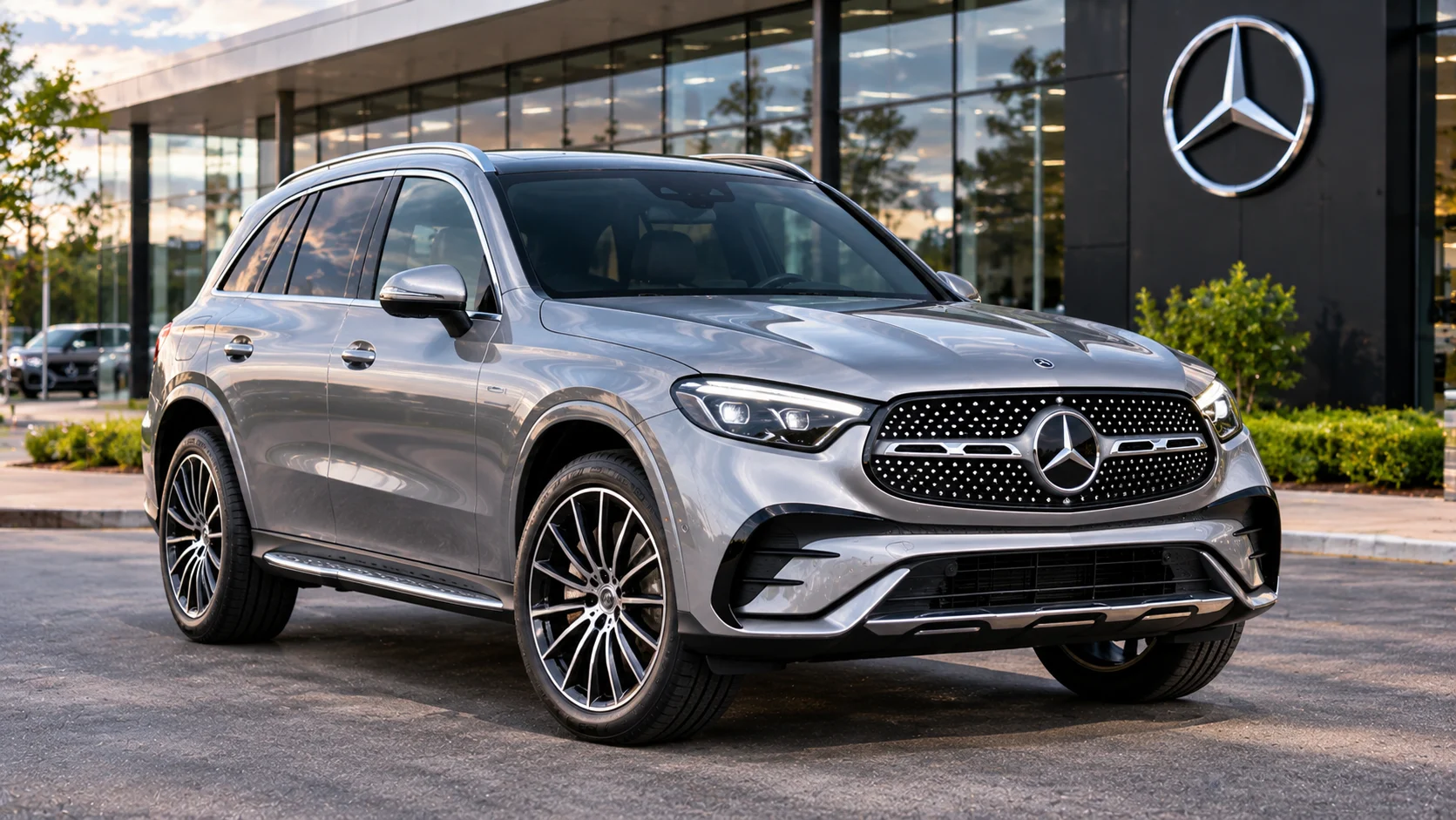
The original plan called for the next-generation GLC to enter production at Mercedes-Benz's Vance facility during the fourth quarter of 2027. According to the revised timeline reported by Automotive News, production is now scheduled to begin in May 2030.
That represents a delay of more than two and a half years.
The Alabama facility already plays an important role in Mercedes-Benz's North American operations. It currently produces several SUV models, including the GLE and GLS, along with their electric counterparts. Adding the GLC was expected to expand the plant's role in supplying vehicles to the U.S. market.
The revised schedule does not mean Mercedes-Benz has abandoned its plan to build the GLC in America. Instead, the company is moving the production launch to a later point in the vehicle's product cycle.
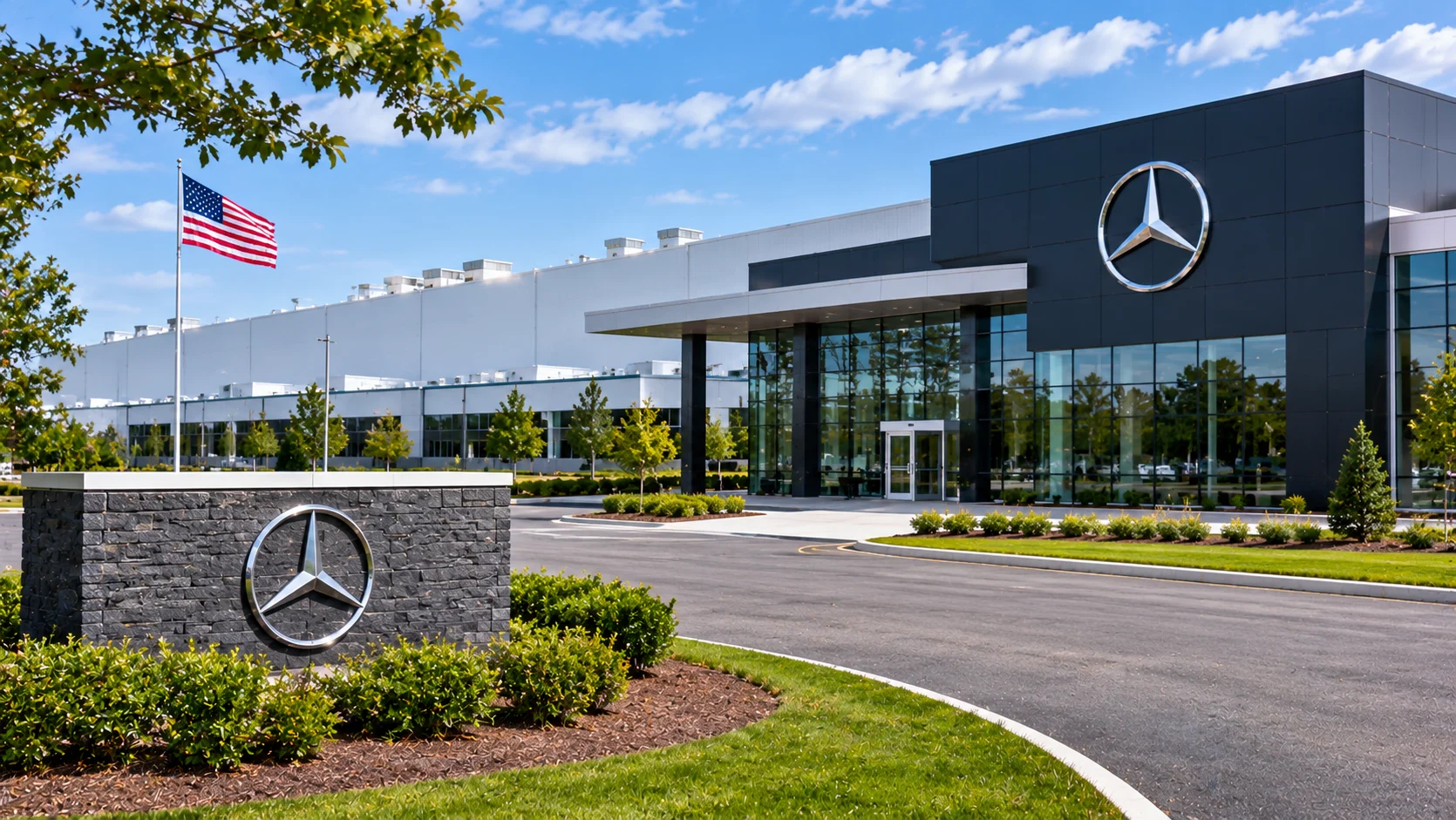
Why Is Mercedes-Benz Waiting Until 2030?
The timing of the delay has drawn attention because it appears to be connected to the GLC's next model generation.
Automotive industry analyst Sam Fiorani, vice president of AutoForecast, told Automotive News that investing in factory equipment for only part of a vehicle's life cycle before having to retool for the next generation may not make financial sense.
That is an important consideration for a manufacturer planning a major production change.
Building a new vehicle at an existing factory still requires specific manufacturing equipment, production-line adjustments, supplier arrangements and workforce preparation. If the current GLC generation were introduced at the Alabama plant shortly before a new generation arrived, Mercedes-Benz could face another round of expensive factory changes.
Waiting for the next-generation model could allow the company to prepare the Alabama production line for a longer manufacturing cycle.
However, Mercedes-Benz has not publicly identified this as the official reason for the revised schedule. It is best understood as an industry explanation for the timing rather than a confirmed statement of the company's decision-making process.
What the Delay Means for U.S. Buyers and Import Tariffs
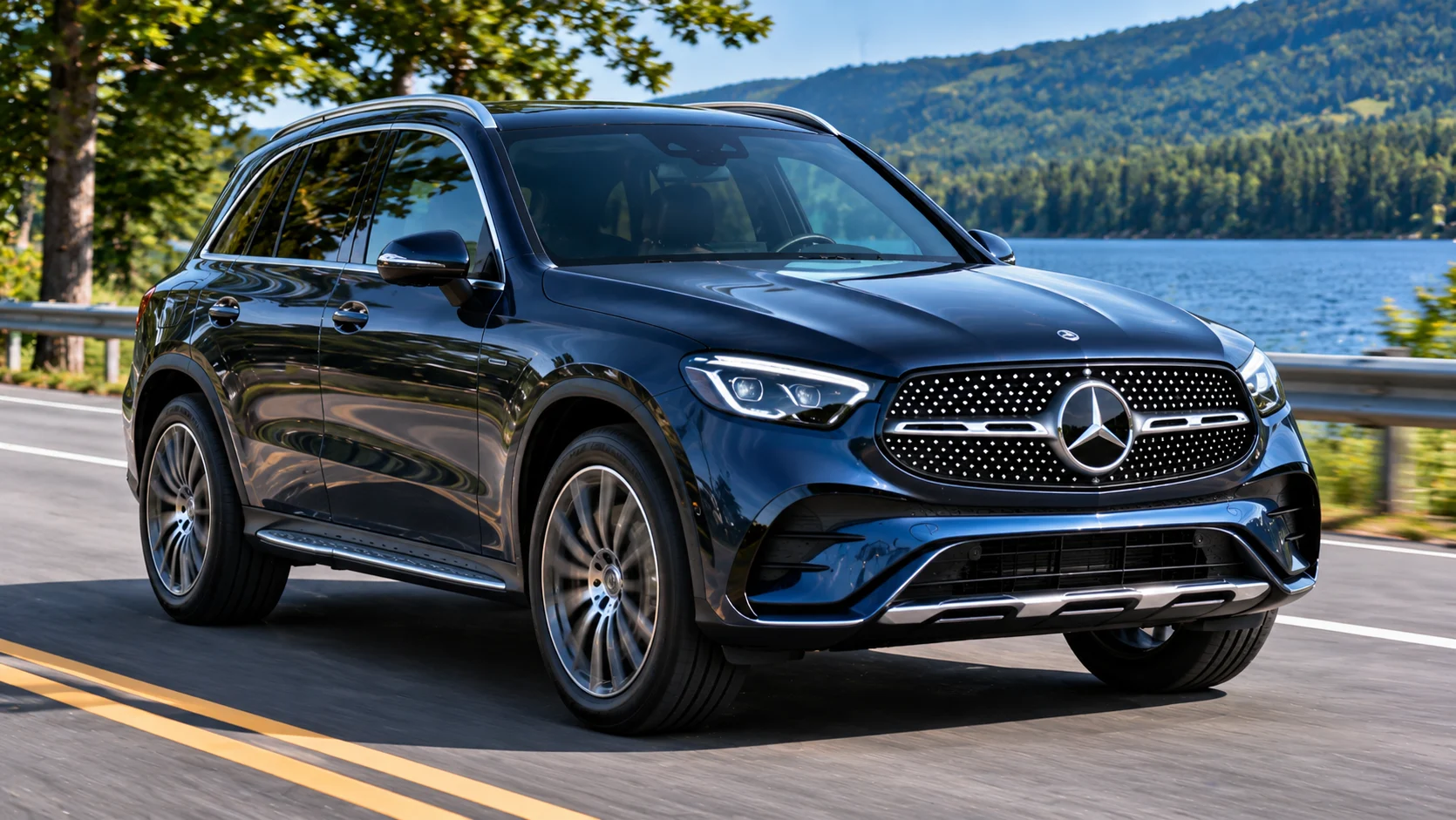
One of the immediate consequences is that Mercedes-Benz will have to continue relying on imported GLC vehicles for the U.S. market until American production begins.
The GLC models supplied to the United States are imported from Europe, including production in Germany. That leaves the vehicle exposed to the additional costs associated with importing European-built passenger vehicles under the current U.S. tariff framework.
The combined tariff rate reported for passenger vehicles imported from the European Union is 15 percent. The exact financial impact on Mercedes-Benz will depend on factors such as vehicle sourcing, pricing decisions and future trade policy.
For Mercedes-Benz, the longer production delay means its plan to localize GLC manufacturing will not provide the expected benefits as early as originally intended.
For customers, tariffs do not automatically mean an immediate price increase of a specific amount. Automakers can absorb some costs, adjust pricing or make other business decisions. However, continued reliance on imports leaves the GLC exposed to trade-related cost pressures for longer.
Mercedes-Benz Has a Bigger Investment Plan for Alabama
The GLC production delay comes alongside a much larger commitment to U.S. manufacturing.
Mercedes-Benz has announced plans to invest approximately $4 billion in its Alabama operations through 2030. The investment is intended to support future SUV production and strengthen the company's manufacturing presence in the United States.
The Alabama project is part of a broader planned U.S. investment of around $7 billion through 2030.
The Vance facility has been central to Mercedes-Benz's SUV business for decades. It already builds important models for the brand's global lineup, making it a natural location for additional production capacity.
Previous industry reports have suggested that the expanded facility could eventually produce more than 280,000 vehicles annually. The GLC has also been associated with a projected first-year production volume of approximately 50,000 units.
Those figures should be treated as reported production expectations rather than guaranteed output. Actual volumes will depend on the final production programme, market demand and factory planning.
The Next-Generation GLC Will Be Central to the Plan
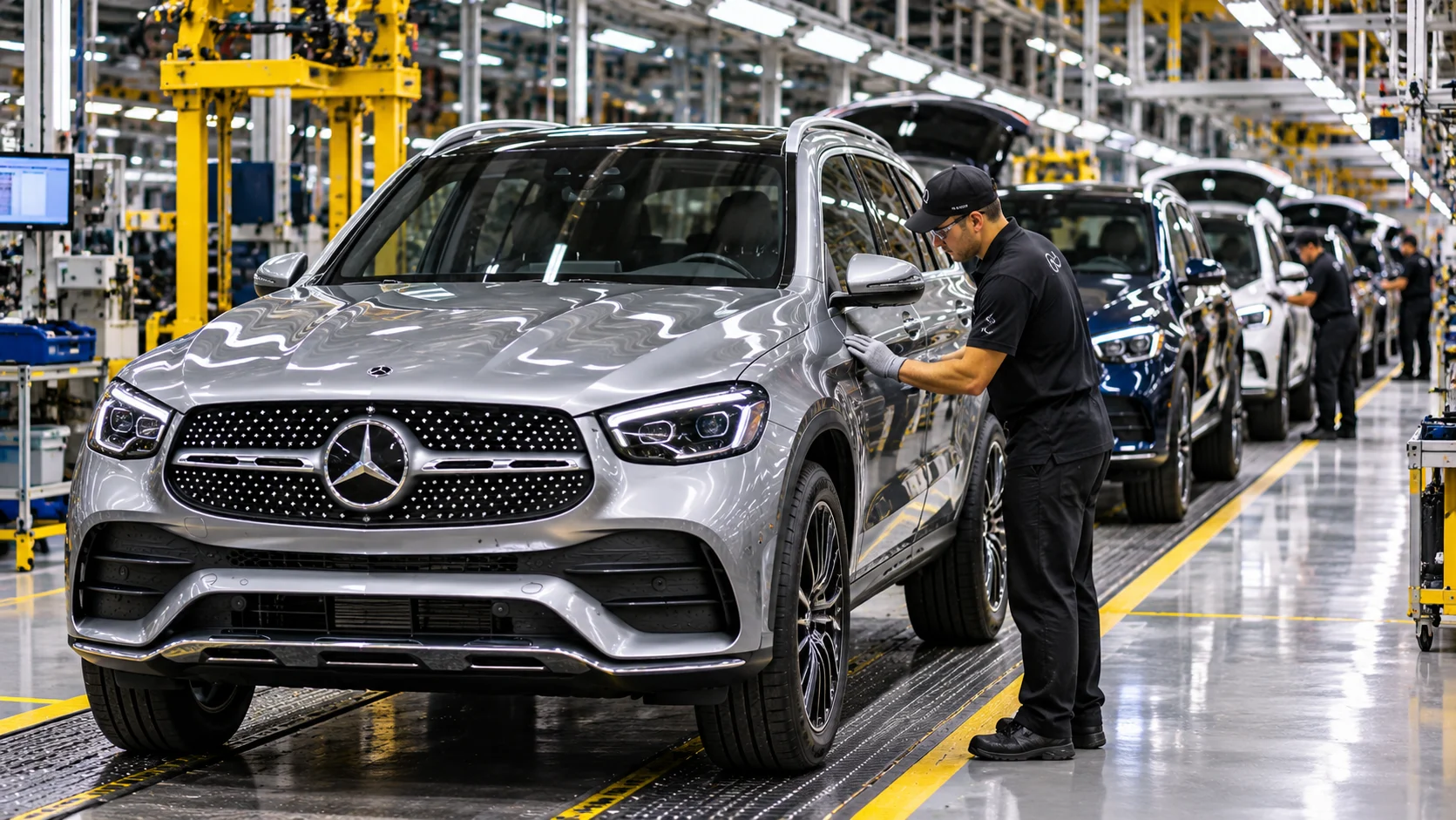
The revised production schedule means the next-generation GLC is expected to become the version assembled in Alabama.
The GLC is a key model in Mercedes-Benz's global SUV range, positioned below the larger GLE and GLS. Its combination of luxury features, everyday practicality and a more compact footprint makes it an important vehicle for customers who want an SUV without moving into a full-size model.
The next-generation vehicle will therefore play an important role in the company's future U.S. manufacturing plans.
However, Mercedes-Benz has not yet provided a complete public breakdown of the U.S.-specification model, its future powertrain lineup or the final production configuration for the Alabama-built version.
Buyers should not assume that the 2030 production change automatically means a particular engine, hybrid system or feature package will be introduced. Those details will depend on the model programme Mercedes-Benz eventually confirms.
What Happens Next?
For now, the most important change is the production timetable. Mercedes-Benz's plan to manufacture the GLC in Alabama remains part of its longer-term U.S. manufacturing strategy, but the start date has moved from late 2027 to May 2030.
Until local assembly begins, imported vehicles will continue to play a major role in supplying the American market. The company will also need to manage the cost implications of tariffs while preparing its Alabama facility for the next-generation SUV.
The delay highlights the challenges automakers face when balancing model life cycles, factory investment and changing trade conditions.
For Mercedes-Benz, waiting until 2030 may provide a better opportunity to introduce the next GLC generation directly into its U.S. production network. For American buyers, however, the popular luxury SUV will remain dependent on imported supply for several more years.
Have thoughts, dyno data, or build feedback?
Join automotive enthusiasts in the paddock below to debate engineering, lap times, and modifications.
Community Pulse
How does this machine make you feel? Drop your reaction!

VehicleDrugs Editorial
VehicleDrugs Editorial Team
A passionate collective of automotive purists, track drivers, and mechanical engineers uncovering high-octane engineering breakthroughs worldwide.
🏁 Pit Crew Discussions
Drop your telemetry, debate the engineering, or talk track times with fellow petrolheads.
The Pit Lane is Quiet
Be the first driver to drop your opinion on this machine!