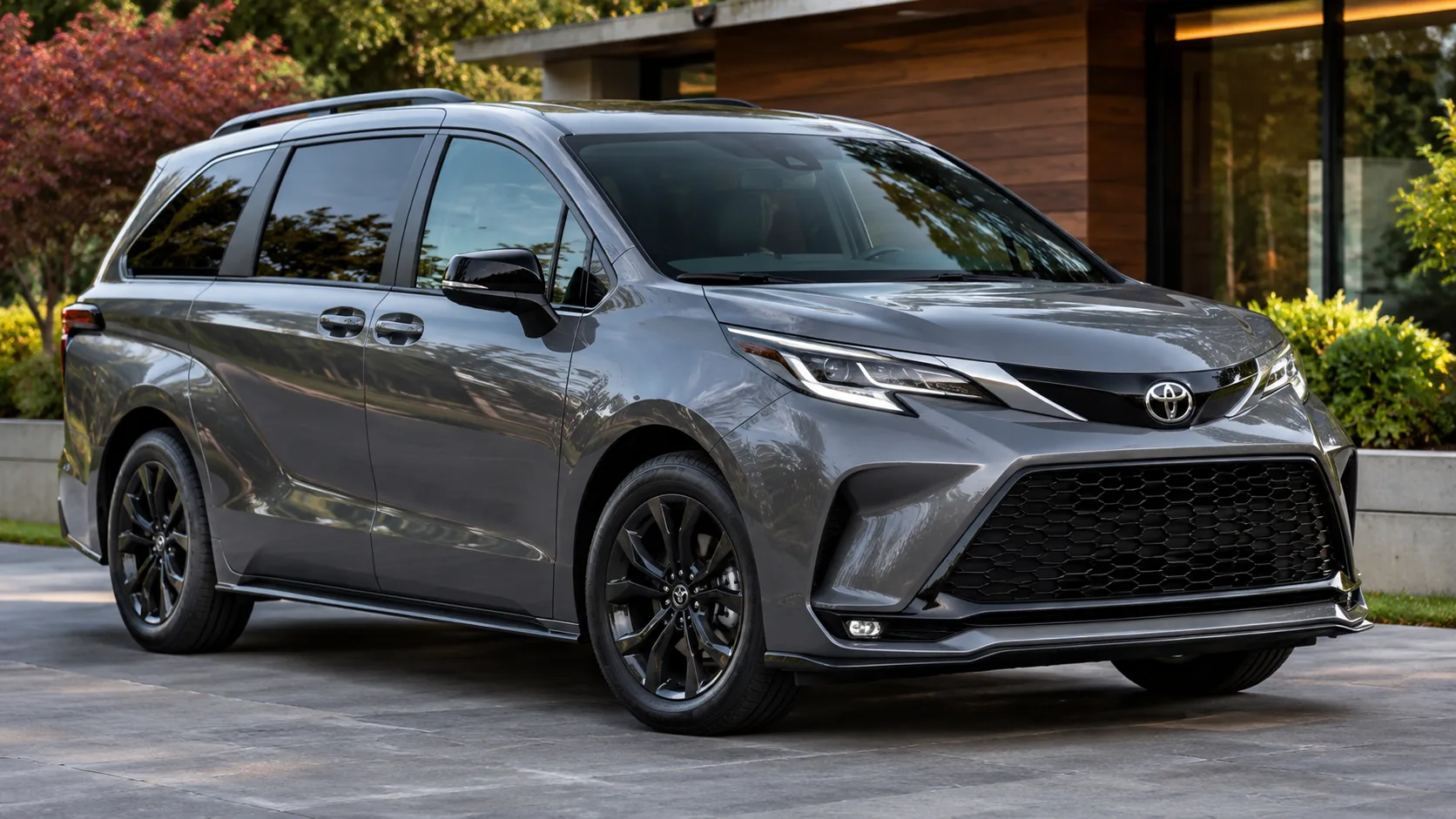

The "Lifetime Fluid" Lie: 4 Car Myths Costing You Thousands
Automakers call CVT fluid "lifetime" and push 10,000-mile oil changes—right up until your warranty expires. Here are 4 modern car myths costing drivers thousands.

HEAD-TO-HEAD MUSCLE CAR VS COMPARISON
Compare 0-60, peak horsepower, torque, and quarter-mile times across iconic builds.
The "Lifetime Fluid" Lie: 4 Modern Car Maintenance Myths Costing Drivers Thousands

Open the owner's manual of almost any new car, truck, or crossover sold in America today, and you will notice something suspicious. Oil change intervals have stretched to 10,000 miles. Spark plugs are rated for 100,000 miles. And right next to the automatic transmission or CVT specification sits the two most dangerous words in modern automotive ownership: "Lifetime Fluid."
It sounds reassuring. It lowers the manufacturer's advertised "5-Year Cost to Own" score on dealership brochures. And for thousands of unsuspecting drivers, it leads directly to a $6,000 transmission replacement right after the factory warranty expires.
Modern vehicles—packed with tiny twin-scroll turbochargers, continuously variable transmissions (CVTs), and high-voltage hybrid packs—do not play by the same mechanical rules as a 1998 Honda Accord. If you want your car to survive past 150,000 miles without draining your savings account, here are four expensive myths you need to stop believing today.
Myth 1: "Lifetime" Transmission Fluid Never Needs to Be Changed
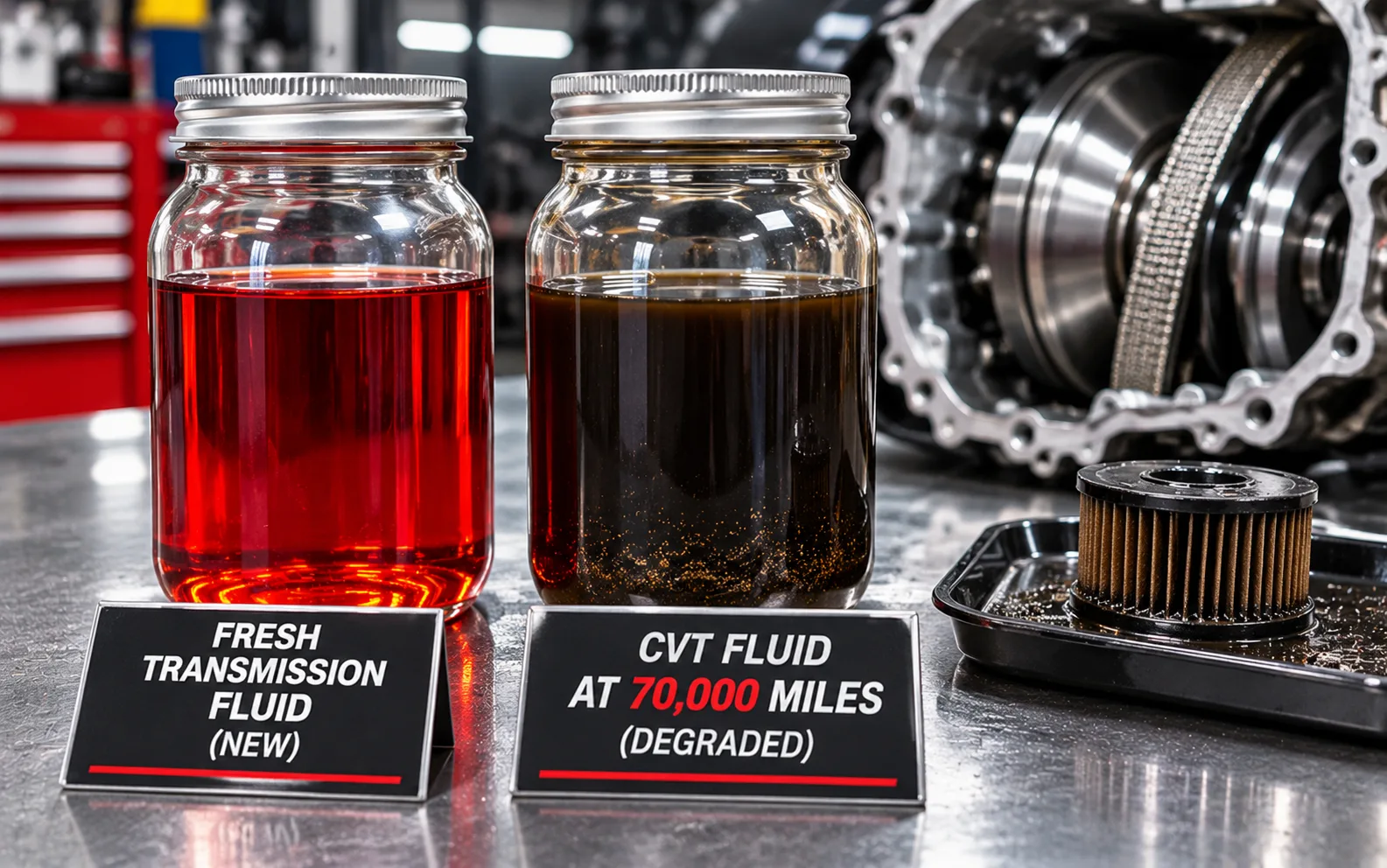
Let's translate corporate automotive English into plain reality: when a carmaker labels transmission or CVT fluid as "lifetime," they do not mean your lifetime. They mean the lifetime of their powertrain warranty—typically 5 years or 60,000 miles.
If the transmission grenades itself at 105,000 miles because the fluid broke down, the manufacturer doesn't pay the bill. You do. Even more telling, the companies that actually build these gearboxes (such as ZF, Aisin, and Jatco) routinely recommend fluid service intervals that automakers conveniently omit from U.S. owner's manuals.
This matters most if you drive a vehicle with a CVT (Continuously Variable Transmission). Unlike traditional geared automatics, a CVT relies on a steel push-belt or chain squeezing against metal pulleys under immense hydraulic pressure. That metal-on-metal friction sheds microscopic shavings that contaminate the fluid and destroy hydraulic valves.
The Mechanic's Rule: Ignore the "sealed for life" marketing. Perform a simple drain-and-fill (never an aggressive high-pressure chemical flush) every 30,000 to 50,000 miles on CVTs, and every 50,000 to 60,000 miles on traditional torque-converter automatics.
Myth 2: 10,000-Mile Oil Changes Are Safe for Turbocharged Engines
A decade ago, 10,000-mile oil change intervals worked fine on simple, under-stressed naturally aspirated engines. Today, nearly everything from a compact sedan to full-size pickup trucks—like the EcoBoost engines covered in our ultimate guide to the Ford F-150—relies on small-displacement turbocharged direct-injection engines.
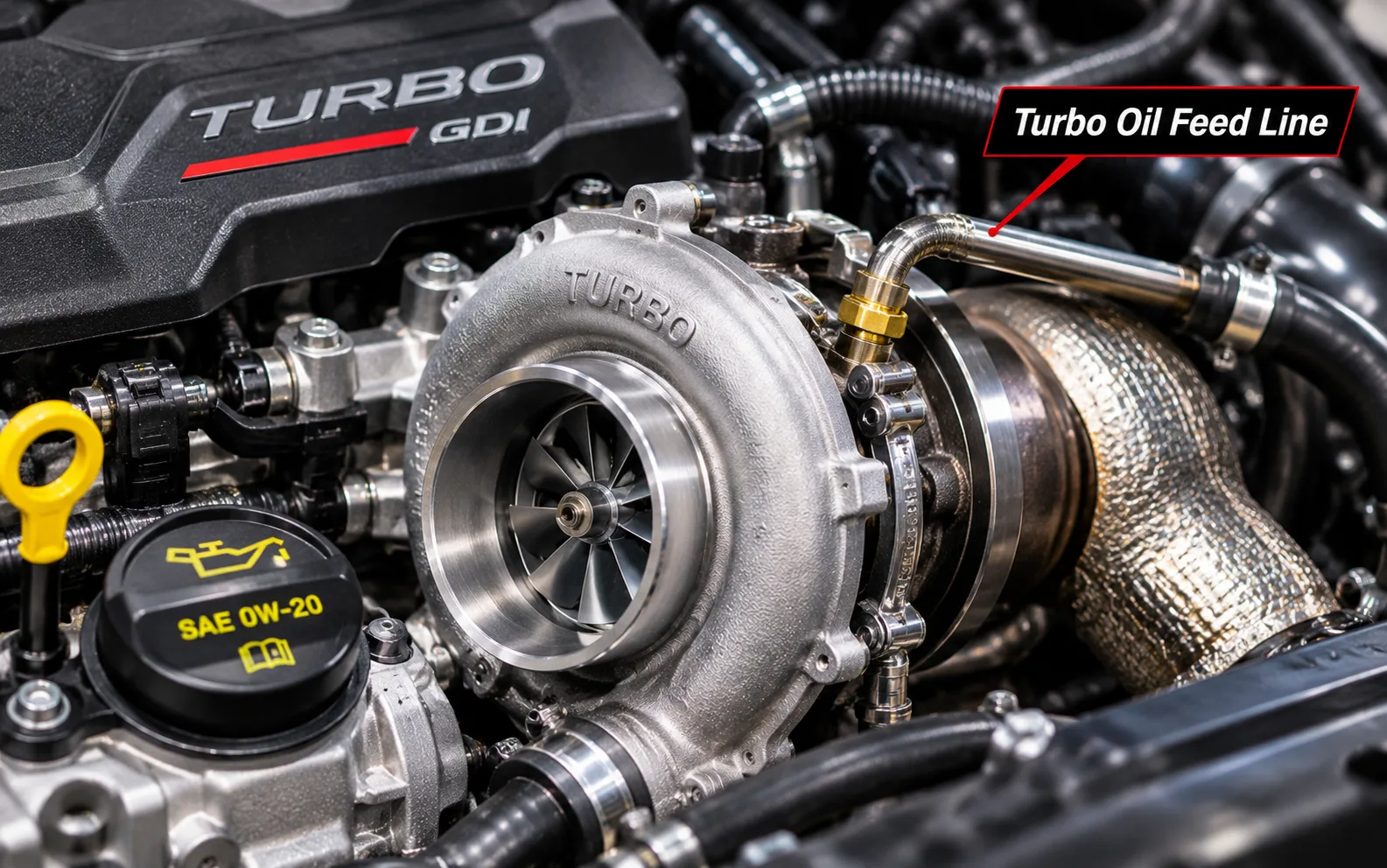
Turbochargers spin at 150,000 to 200,000 rpm while sitting inches away from 1,600-degree exhaust gases. Motor oil doesn't just lubricate the pistons anymore; it acts as the primary coolant for the turbocharger bearings and powers delicate variable valve timing actuators.
Worse, gasoline direct injection (GDI) forces raw fuel into the cylinders at massive pressure, causing microscopic amounts of unburned gas to slip past piston rings into the oil pan—a problem known as fuel dilution. By mile 7,500, that "10,000-mile" oil has often sheared down in viscosity and turned into thin, acidic sludge that clogs tiny turbo oil-feed screens.
The Mechanic's Rule: No matter what the dashboard reminder says, change full-synthetic oil strictly every 5,000 miles (or 6 months) on any turbocharged engine. A $75 oil change is infinitely cheaper than a $3,500 turbo or timing chain job.
Myth 3: You Must Idle Your Car for 5 Minutes Every Morning
Your grandfather wasn't crazy for letting his 1978 pickup idle in the driveway for five minutes before shifting into Drive. Old carbureted engines needed warmth just to keep from stalling at the end of the street.
On a modern fuel-injected vehicle, prolonged driveway idling actually accelerates engine wear.
When a cold engine idles at low rpm, the computer enriches the fuel mixture to heat up the catalytic converters. That extra raw gasoline washes protective oil films off the cylinder walls while oil pressure remains low. Furthermore, your transmission and wheel bearings stay ice cold until the car actually moves.
The Mechanic's Rule: Start the engine, wait 20 to 30 seconds for oil pressure to stabilize and rpm to drop slightly, then drive gently for the first three to five minutes. Keep the engine below 3,000 rpm and stay out of heavy turbo boost until the temperature gauge reaches normal operating range.
Myth 4: Hybrid Batteries Die at 100,000 Miles and Cost $10,000
Talk to skeptics about buying a hybrid crossover—like the best-selling Toyota RAV4 Hybrid—and someone will inevitably warn you about a ticking "$10,000 battery time bomb" waiting at mile 100,001.
Real-world fleet and taxi data tell a completely different story. Under federal rules and manufacturer commitments, brands like Toyota back hybrid batteries for 10 years or 150,000 miles (per Kelley Blue Book warranty trackers). In practice, modern nickel-metal hydride and lithium-ion packs routinely last 150,000 to 200,000+ miles before losing meaningful capacity.
Even better, independent hybrid specialists now repair individual failed battery cells or install reconditioned packs for $1,500 to $2,800—a fraction of dealership myth numbers.
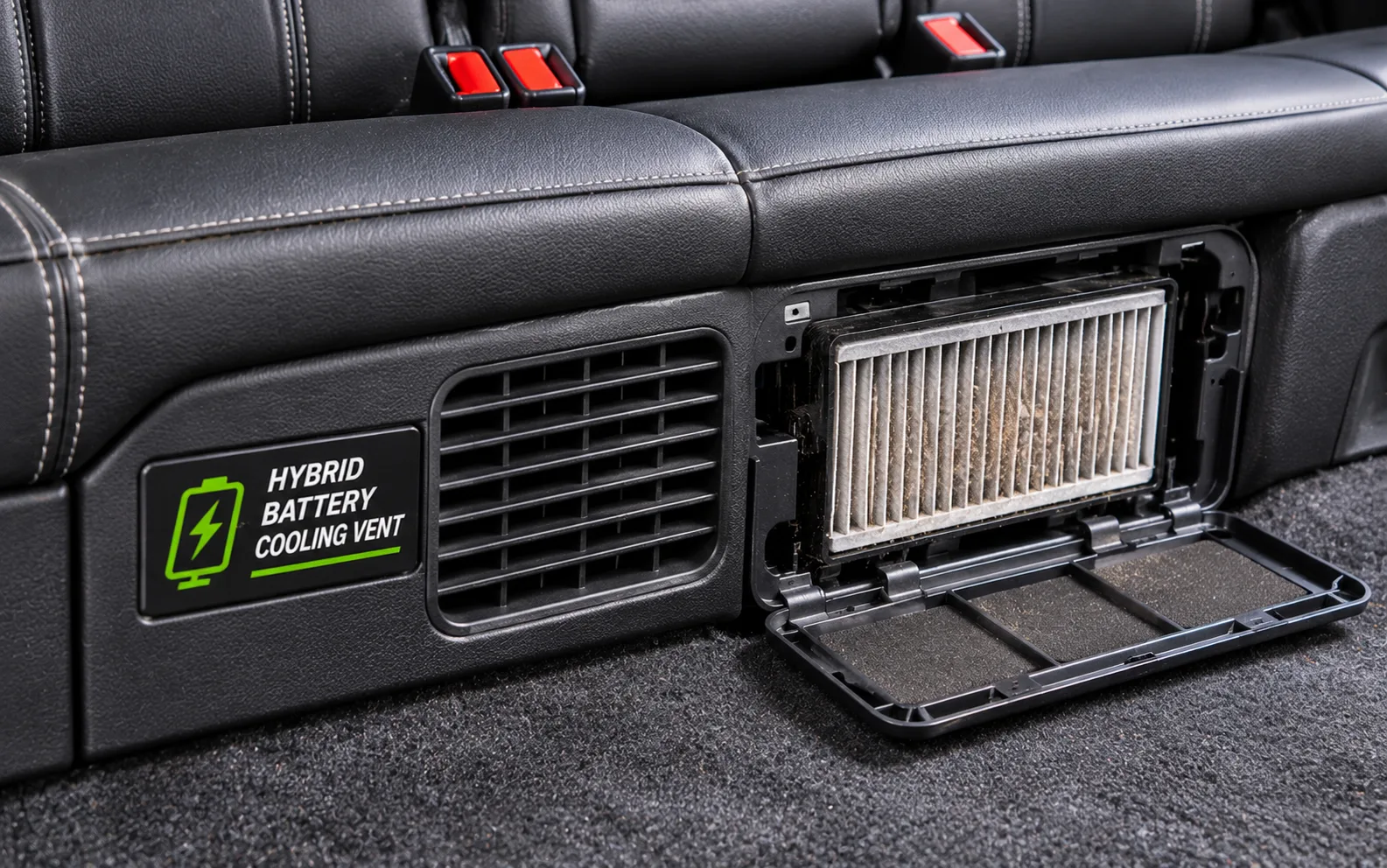
The Hidden Catch Nobody Mentions: Heat kills hybrid batteries faster than mileage. Many popular hybrids cool their rear battery pack by pulling air from inside the passenger cabin through a small vent under the back seat. If that vent's foam filter clogs with pet hair, dust, or dropped french fries, the battery silently bakes to death. Vacuuming or replacing that $15 cooling fan filter once a year can double your battery's lifespan.
The Real-World Maintenance Cheat Sheet (Save This)
| Component | The Factory / Myth Claim | What Independent Mechanics Recommend |
|---|---|---|
| CVT / Auto Transmission | "Lifetime fluid — never change" | Drain & fill every 30,000–50,000 miles (CVT) / 60,000 miles (Auto) |
| Turbo Engine Oil | 10,000-mile intervals | Every 5,000 miles / 6 months with full-synthetic oil |
| Morning Warm-Up | Idle for 5–10 minutes | 20–30 seconds, then drive gently until warm |
| Hybrid Battery Pack | "Dies at 100K for $10,000" | Lasts 150K–200K+ miles; clean battery cooling filter yearly |
VehicleDrugs Editorial Take: The Goal Is 200,000 Miles, Not 60,000
With average new car payments pushing past $730 a month across the United States and major safety recalls hitting headlines—from software bugs to campaigns like recent Toyota and Lexus airbag recalls—keeping your current vehicle healthy is the smartest financial move you can make.
Automakers write maintenance schedules to get your car safely across the warranty finish line while keeping advertised ownership costs artificially low. If you actually plan to own your vehicle free and clear for 10 to 15 years, treat fluids as cheap insurance, ignore "lifetime" labels, and service your car for the miles ahead—not the brochure on the showroom floor.
Frequently Asked Questions
Should you really change "lifetime" transmission fluid?
Yes. No mechanical fluid lasts forever. "Lifetime" typically refers to the manufacturer's powertrain warranty period (60,000 to 100,000 miles). Doing a gentle drain-and-fill every 30,000 to 50,000 miles on a CVT or 60,000 miles on a traditional automatic dramatically extends transmission life.
Is 10,000 miles too long between oil changes on a modern car?
For most turbocharged, direct-injection engines and stop-and-go city commuters, yes. Fuel dilution and extreme turbocharger heat break down oil additives well before 10,000 miles. Most independent mechanics strongly recommend 5,000-mile full-synthetic intervals.
How long do Toyota and Honda hybrid batteries actually last?
Most modern hybrid batteries last between 8 and 15 years (or 150,000 to 200,000+ miles). Keeping the cabin battery cooling fan filter clean and driving the car regularly are the two biggest factors in maximizing pack longevity.
Sources & References
- Hybrid Warranty & Battery Lifespan Data: Kelley Blue Book (KBB) / Consumer Reports
- Turbocharger & CVT Fluid Engineering Standards: SAE International / Independent Repair Industry Data
Have thoughts, dyno data, or build feedback?
Join automotive enthusiasts in the paddock below to debate engineering, lap times, and modifications.
Community Pulse
How does this machine make you feel? Drop your reaction!

VehicleDrugs Editorial
VehicleDrugs Editorial Team
A passionate collective of automotive purists, track drivers, and mechanical engineers uncovering high-octane engineering breakthroughs worldwide.
🏁 Pit Crew Discussions
Drop your telemetry, debate the engineering, or talk track times with fellow petrolheads.
The Pit Lane is Quiet
Be the first driver to drop your opinion on this machine!