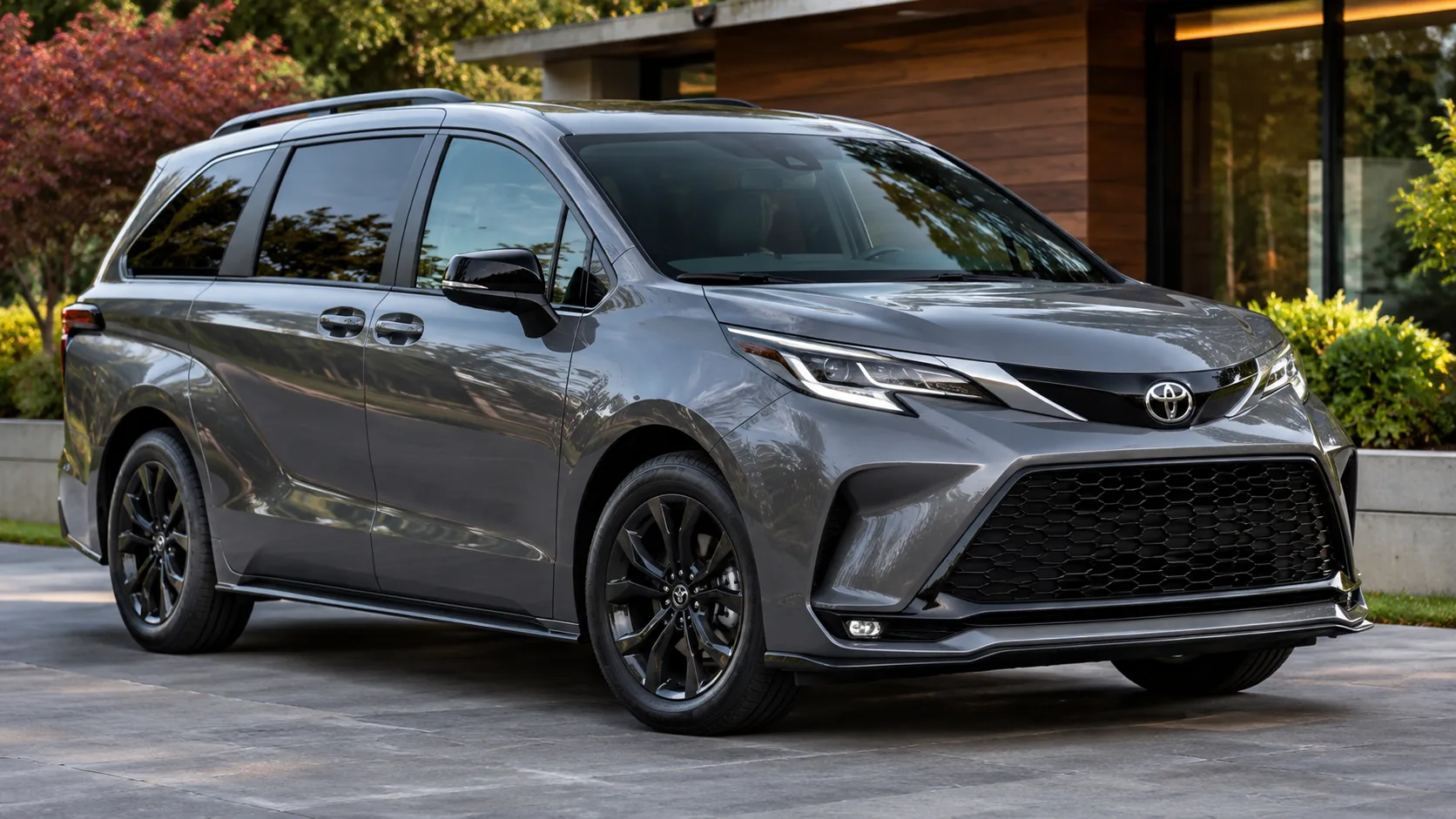

Electric Cars in America: Real-World Range, Charging & Used EVs
Explore the reality of EV ownership in America, including highway range, Tesla Superchargers, Electrify America, home charging costs and used EV buying tips.
HEAD-TO-HEAD MUSCLE CAR VS COMPARISON
Compare 0-60, peak horsepower, torque, and quarter-mile times across iconic builds.
The Reality of Electric Cars in America: Road Trips, Charging Problems, and the Used EV Market
Electric vehicles have become a major part of the American automotive market. Tesla, Rivian, Ford, Chevrolet, Hyundai and several other manufacturers now offer electric vehicles designed for different types of drivers. Some focus on long-distance performance, others target affordability, and many are built to replace traditional gasoline-powered cars for everyday transportation.
But buying an electric vehicle involves more than comparing horsepower, battery capacity or the driving range printed on a window sticker.
For American drivers, the real experience of owning an EV often comes down to three important questions: How well does it perform on long highway journeys? Can drivers depend on public charging stations when they need them? And does buying a used electric vehicle make financial sense?
These questions matter because the electric-car experience can be very different depending on where someone lives, how far they drive, whether they can charge at home and which vehicle they choose.
The American EV market has made considerable progress, but challenges remain. Charging networks are expanding, used electric cars are becoming more accessible, and manufacturers are moving toward more widely compatible charging standards. At the same time, charging costs, battery condition, highway range and resale values still require careful consideration.
Understanding those realities is essential before deciding whether an electric vehicle is the right choice.
1. The Real-World Range Question: Can an EV Handle a 500-Mile Road Trip?
One of the biggest concerns among drivers considering an electric vehicle is highway range.
A vehicle advertised with a particular EPA-estimated range does not necessarily travel that exact distance in every situation. The Environmental Protection Agency's range estimates are intended as comparison figures. Actual driving range can change with outside temperature, air-conditioning or heating use, driving speed and other conditions.
Highway driving is one situation where EV range can differ from expectations.
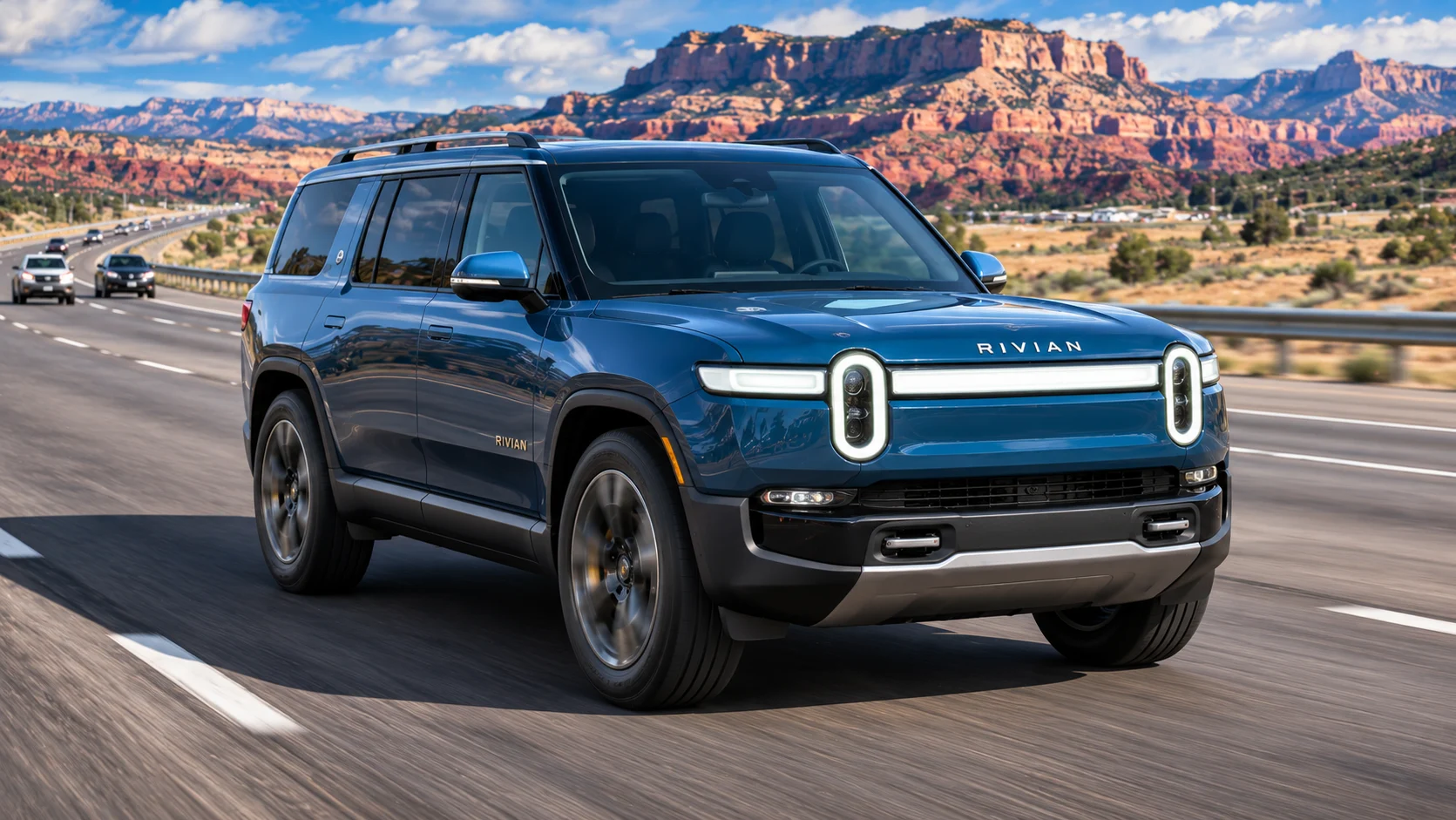
At higher speeds, aerodynamic drag increases, requiring more energy to maintain speed. A driver travelling at a steady highway pace may therefore use more battery power per mile than someone driving through slower urban traffic.
Weather can make the situation more complicated. Cold temperatures can reduce battery efficiency, while cabin heating requires additional energy. Very hot conditions can also increase energy consumption through air-conditioning and battery thermal management.
That is why a 500-mile road trip should be planned around expected highway efficiency rather than the vehicle's maximum advertised range alone.
How many charging stops would a 500-mile trip require?
There is no single answer for every EV.
The number of stops depends on the vehicle's usable battery capacity, actual highway efficiency, starting battery level, weather, road conditions, charging speed and how much battery reserve the driver wants to maintain.
A vehicle with a longer usable highway range may need fewer stops than a smaller EV. However, the fastest-charging vehicle is not automatically the one that completes the journey in the shortest time. Charging performance changes as the battery fills, and many EVs reduce charging power at higher states of charge.
For that reason, experienced EV drivers often plan charging stops around the vehicle's charging curve rather than waiting until the battery is almost full.
A practical road-trip plan should include:
The route and distance between charging stations.
Compatible DC fast-charging locations.
Expected battery percentage on arrival.
The vehicle's charging speed at different battery levels.
Alternative charging locations in case a station is unavailable.
Extra range for weather, traffic and unexpected detours.
The vehicle manufacturer's navigation system or a dedicated EV route-planning service can help calculate suitable charging stops for a specific model.
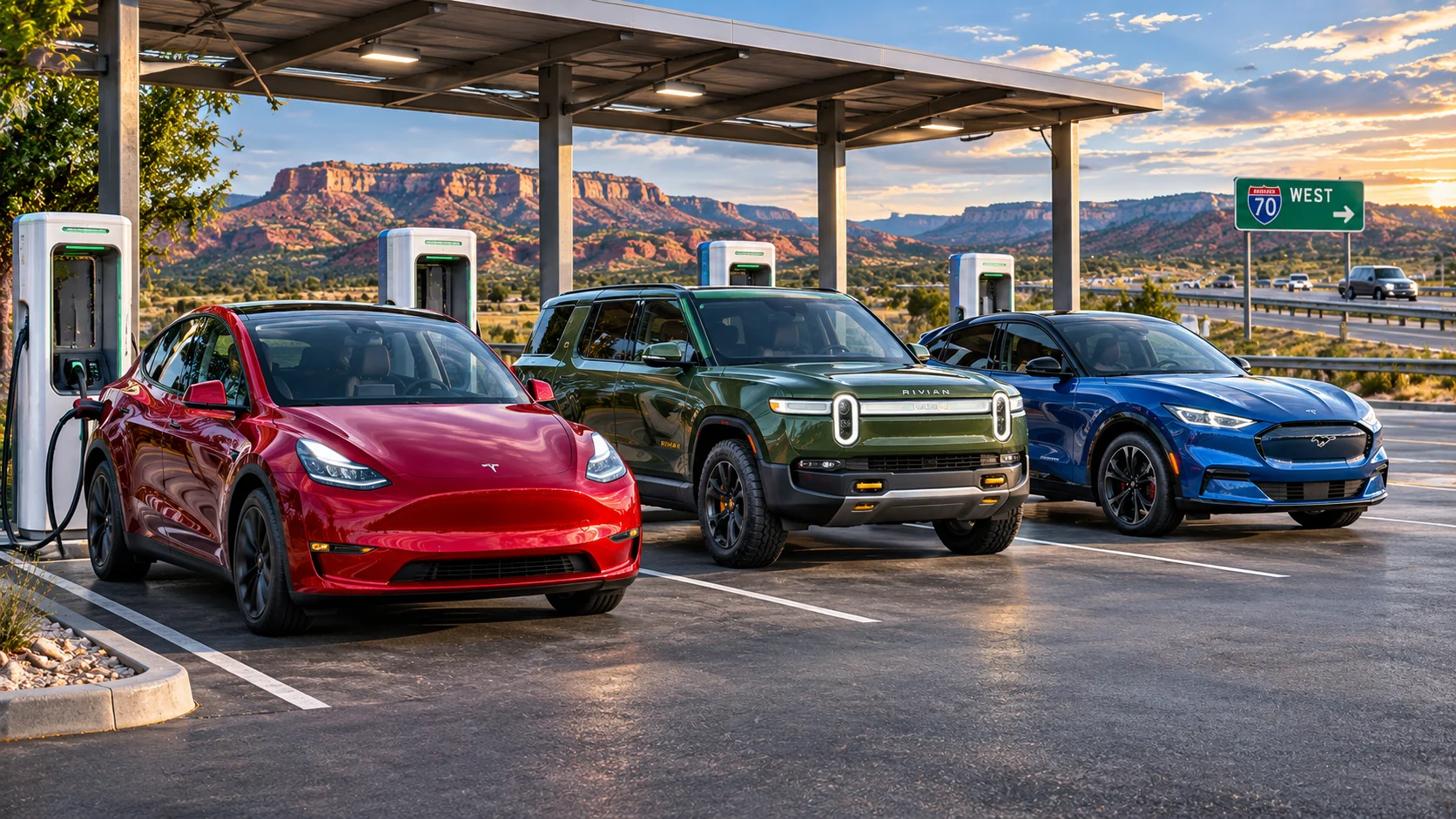
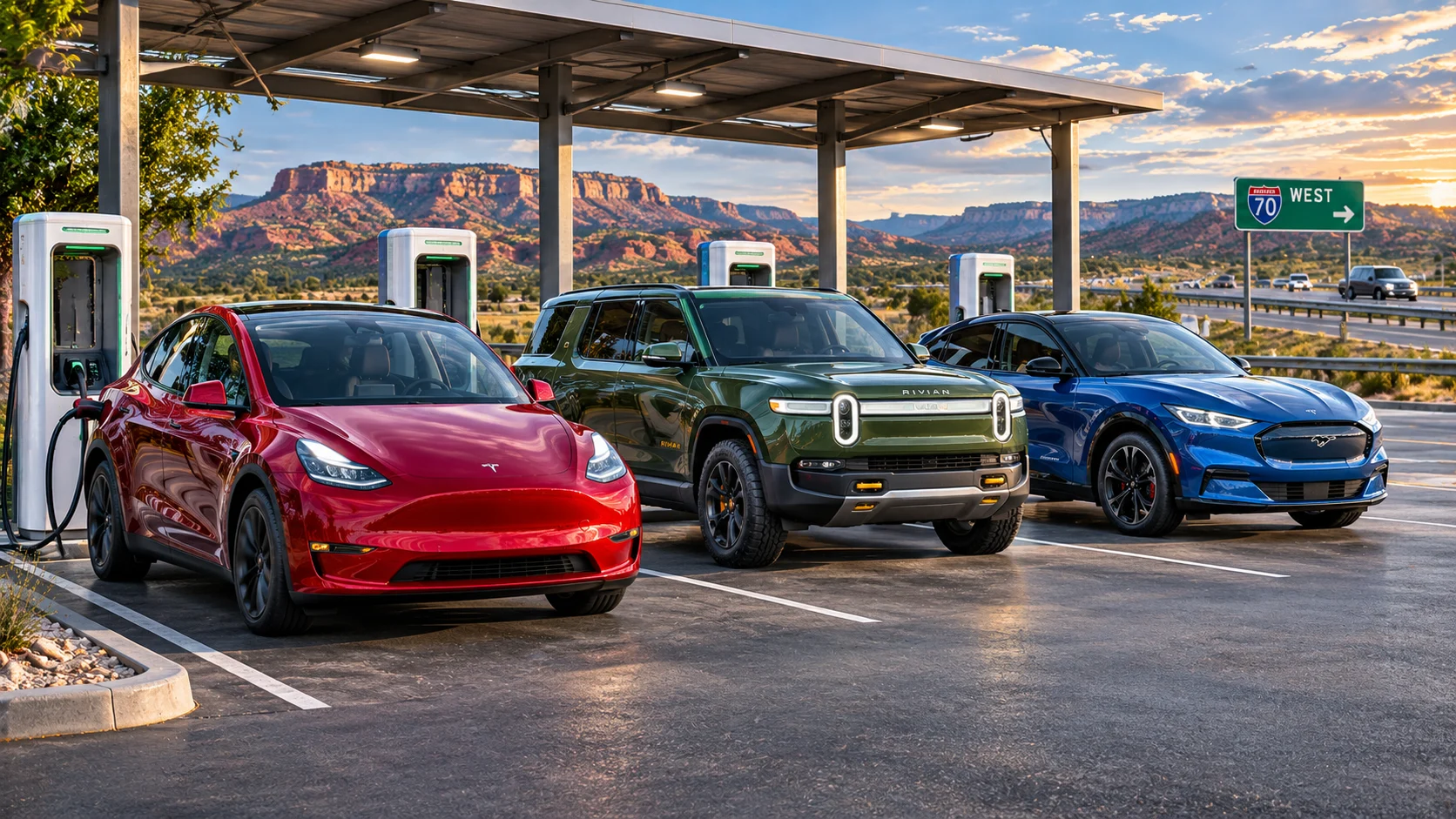
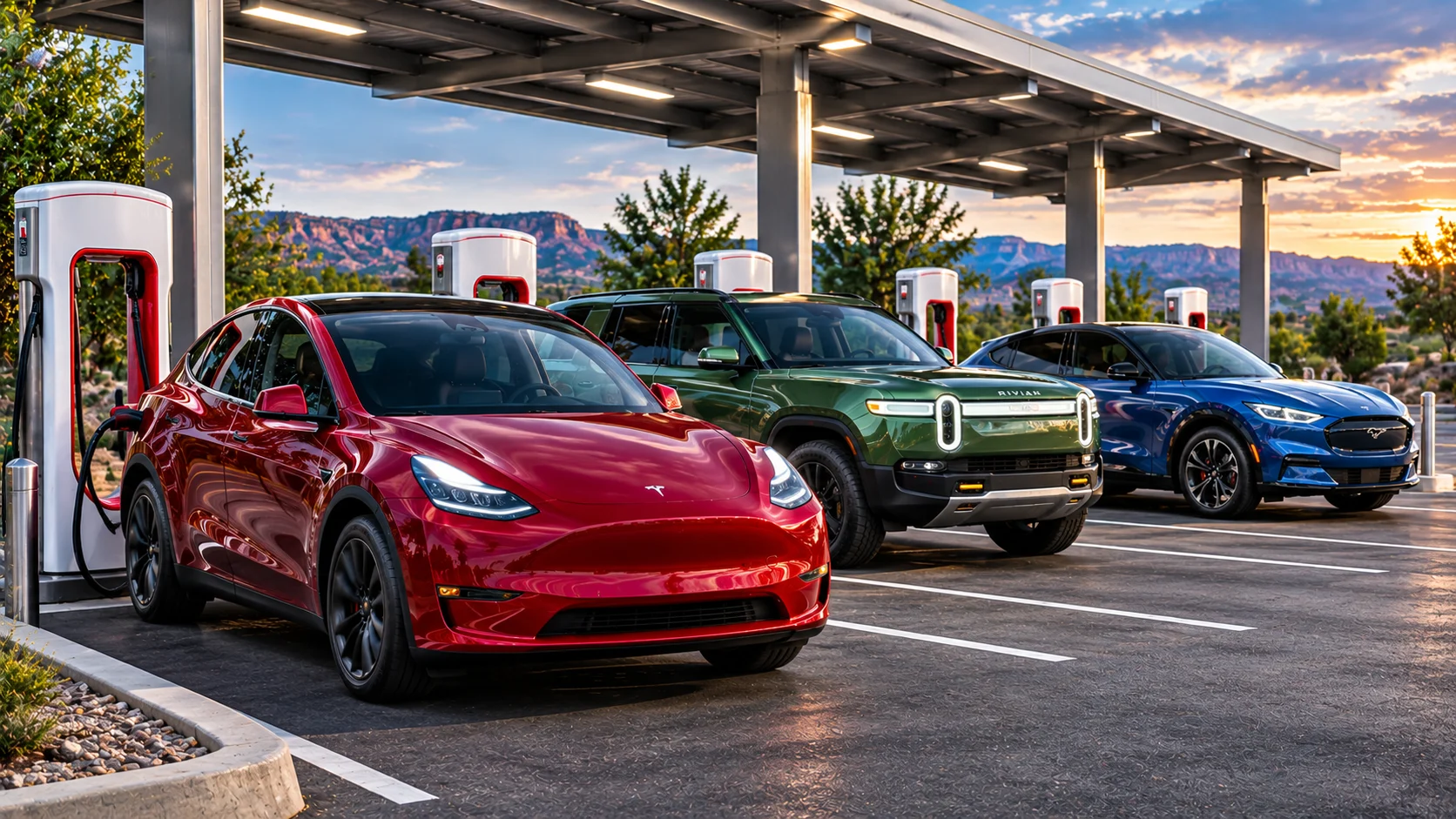
Tesla, Rivian and Ford Mustang Mach-E: Different road-trip experiences
A Tesla Model Y, Rivian R1S and Ford Mustang Mach-E can all be used for long-distance travel, but their battery sizes, vehicle efficiency, charging capabilities and highway consumption are different.
The larger and heavier Rivian R1S, for example, has a different energy-consumption profile from a more compact electric crossover. A Mustang Mach-E also varies considerably depending on battery configuration, drivetrain and model year.
Drivers should therefore avoid assuming that all electric vehicles with similar EPA range ratings will perform identically on a long highway journey.
The most useful comparison is not simply the advertised maximum range. It is the time required to complete a particular journey, including charging stops, waiting time and the availability of reliable stations.
2. Public EV Charging: Has America's Infrastructure Improved?
Public charging infrastructure is one of the most important parts of the electric-vehicle transition.
Drivers who charge at home may rarely need public stations during their normal weekly routine. However, people travelling long distances, living in apartments or lacking private parking can depend heavily on public charging networks.
The United States has several major charging providers, including Tesla Supercharger, Electrify America, EVgo and ChargePoint. Their equipment, pricing, coverage and user experience can vary by location.
The number of charging stations is important, but the number of working charging stalls matters just as much.
A charging station appearing on a map does not guarantee that it will be available when a driver arrives. A charger may be out of service, occupied by another vehicle, incompatible with a particular EV or temporarily unable to deliver its advertised power.
What the latest reliability data says
J.D. Power's 2025 U.S. Electric Vehicle Experience Public Charging Study provides a useful picture of the situation.
The study found that 14% of EV owners had visited a public charger without successfully charging their vehicle. That was five percentage points lower than in 2024, showing improvement in charging reliability.
However, the results also revealed continuing differences between regions and charging providers.
Among drivers reporting unsuccessful charging visits, a charger that was out of service or not working correctly was a common problem.
The study also found that customer satisfaction with DC fast charging declined to 654 points on a 1,000-point scale. Satisfaction with public Level 2 charging fell to 607 points.
The findings show why reliability, payment experience and charging cost remain important issues. America's charging infrastructure is improving, but the experience is not yet consistent everywhere.
3. Tesla Supercharger vs. Electrify America
Two names frequently appear in discussions about American EV charging: Tesla Supercharger and Electrify America.
Both networks are important, but they operate differently and offer different experiences.
Tesla Supercharger
Tesla built its charging network around its own vehicles, navigation system and charging software. This integration helped create a relatively straightforward charging experience for Tesla owners.
Drivers can locate compatible Superchargers through the vehicle's navigation system, see estimated charging availability and follow charging instructions directly through the vehicle.
Tesla has also opened many Supercharger locations to other manufacturers.
Participating non-Tesla vehicles can access compatible Superchargers through manufacturer-approved adapters or native NACS charge ports. However, access is not universal at every station. Vehicle compatibility and location availability must be checked before travelling.
Electrify America
Electrify America operates an independent public charging network with DC fast-charging locations across the United States.
It is particularly relevant to drivers of non-Tesla vehicles that use the CCS charging standard. Its stations are often located near major roads, shopping areas and travel destinations.
Electrify America offers charging through its app and compatible payment methods. Drivers should check station status, connector compatibility, charging power and current pricing before arriving.
Like other public charging networks, its real-world performance can vary from one location to another.
Which network is better?
There is no universal winner for every driver.
J.D. Power's 2025 public charging study ranked Tesla Supercharger highest among eligible DC fast-charging providers, with a customer satisfaction score of 709 points. Red E ranked second at 668, while third-party DC fast-charging providers averaged 591.
The same study reported that non-Tesla automaker-operated networks, including Mercedes-Benz Charging Network, Rivian Adventure Network and Ford Charge, collectively achieved a score of 709. These networks were not eligible for the same ranking because of their more limited footprint.
For a driver choosing an EV, the best network is often the one that offers dependable stations along the routes they actually use.
A network with excellent performance in one state may not provide the best coverage in another. Local availability is more important than a national brand reputation alone.
4. Home Level 2 Charging: The Biggest Convenience Advantage
For many EV owners, home charging is more important than public charging.
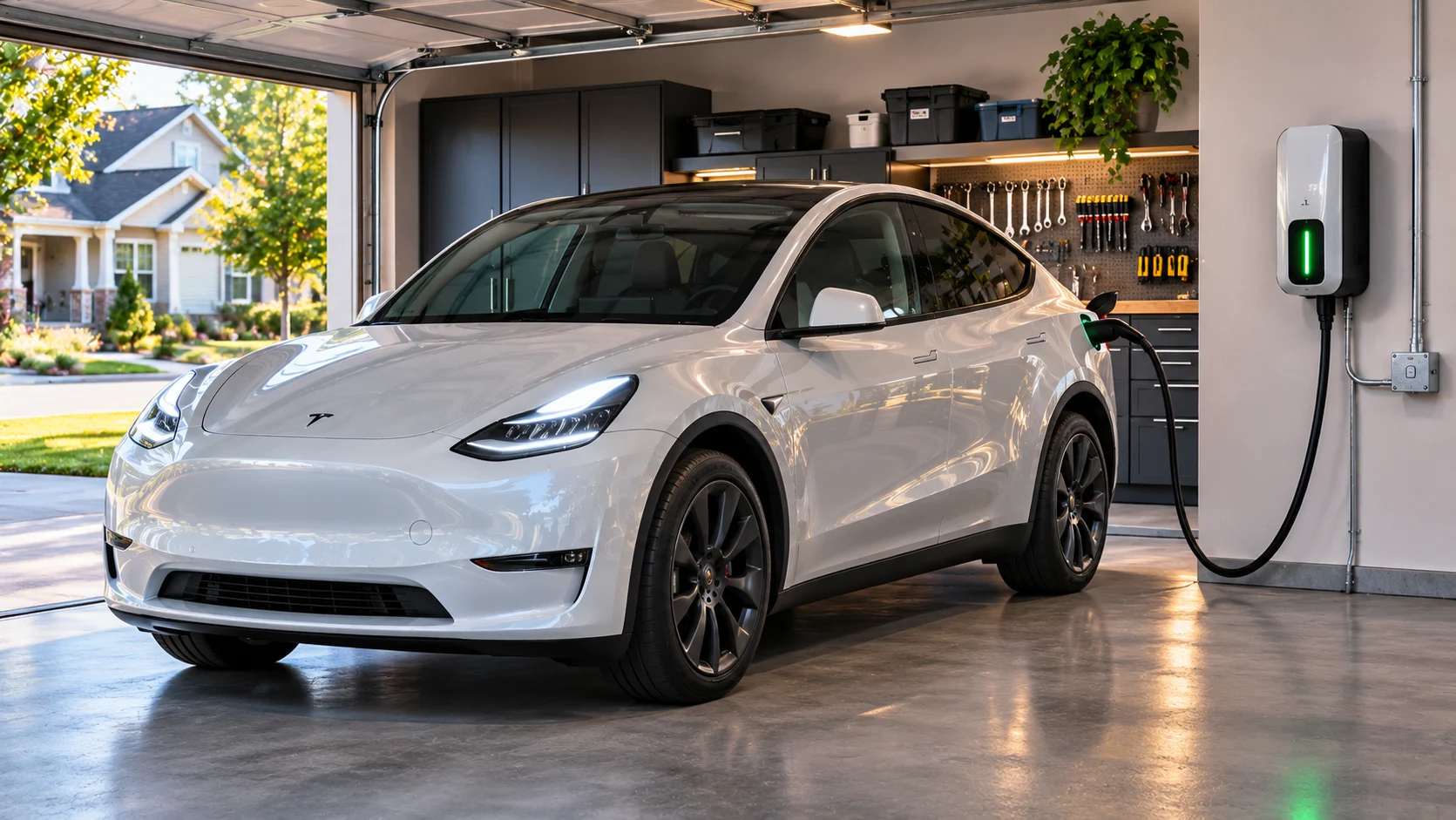
Being able to plug in overnight means drivers can start the day with a charged battery without visiting a public station. This is one of the major advantages of electric-car ownership for people with suitable home parking and electrical access.
The U.S. Department of Energy's Alternative Fuels Data Center identifies three main charging levels.
Level 1 charging uses a standard 120-volt household outlet. It is the slowest option, but it may be sufficient for drivers with low daily mileage and enough time to recharge overnight.
Level 2 charging uses a 240-volt electrical supply and can replenish an EV much faster. It is commonly installed in garages and residential parking areas.
DC fast charging uses high-powered equipment to recharge compatible EV batteries much faster than normal AC home charging. It is primarily intended for public charging locations and long-distance travel.
The Department of Energy estimates that Level 1 can add roughly 2–5 miles of range per hour, Level 2 around 10–30 miles per hour and DC fast charging around 100–200 or more miles in 30 minutes, depending on the vehicle and equipment. These are general estimates rather than guarantees for every EV.
What does a home Level 2 charger cost?
The final cost depends on the charger, electrical panel, distance from the panel to the parking space, wiring requirements, installation complexity and local labor rates.
Level 2 equipment can cost several hundred to several thousand dollars before installation. Installation can add significantly to the total, particularly if the home requires electrical upgrades or extensive wiring work.
A homeowner should obtain a quote from a licensed electrician before purchasing equipment. The electrical system must be able to support the charger safely.
Some utilities also offer special EV electricity rates or incentives for charging during off-peak hours.
Can scheduled charging reduce the electricity bill?
Yes, where the electricity provider offers time-of-use rates or other off-peak pricing.
J.D. Power's 2026 U.S. Electric Vehicle Experience Home Charging Study found that 38% of EV owners always schedule home charging, while 46% never schedule charging.
The study also reported average home-charging expenditure of $63 over the previous 30 days, an increase of $5 from the previous year. Owners who always scheduled charging reported higher satisfaction than those who never scheduled it.
These figures represent survey respondents and should not be treated as a universal monthly cost for every American EV owner.
For households with suitable electricity plans, scheduling charging overnight can make EV ownership more economical.
5. Why Are Used Electric Cars Becoming More Attractive?
The used EV market has become an important part of America's electric-vehicle transition.
New electric vehicles can be expensive, particularly models with larger batteries, advanced technology and premium features. Used vehicles give buyers an opportunity to access electric driving at a lower purchase price.
The market has also been influenced by lease returns, trade-ins, manufacturer price changes and the arrival of newer EV models.
Rapid improvements in battery technology, driving range and software can affect the resale value of older vehicles. A used EV may be perfectly capable of daily transportation, but buyers often compare it with newer vehicles offering better range, faster charging and more advanced technology.
This creates depreciation pressure for some models.
What the 2026 used EV market data shows
Recurrent's Q4 2026 Used Electric Car Market Report found that used EV retail prices were approximately 8% higher than a year earlier, based on its reported market data.
The report also found that used EV sales and available inventory were increasing, with more models entering the market as leases ended and owners traded in their vehicles.
Its analysis of September 2026 listings found that more than half of listed used EVs were priced below $30,000. It also identified the Chevrolet Bolt EV and Tesla Model Y among the faster-selling used electric vehicles in its tracked data.
These findings show that the market is changing rather than moving in only one direction.
Other studies have shown that prices vary considerably by brand. iSeeCars reported that non-Tesla used EV prices fell 10.3% year over year in Q1 2026, while used Tesla prices were almost unchanged, declining by just 0.1%.
Different research providers use different vehicle samples, time periods and pricing methods. Their figures should not be combined as if they measure exactly the same market.
The important takeaway is that used EV depreciation depends heavily on the individual model, its original price, battery condition, mileage, supply and buyer demand.
6. Is a Used Tesla Model 3 or Model Y Worth Buying?
A used Tesla Model 3 or Model Y can be an attractive option for buyers who want an electric vehicle with a developed charging ecosystem and widely available used inventory.
The Model 3 offers a sedan body style and is generally smaller and lighter than the Model Y. The Model Y provides more cargo space and a taller SUV-style driving position.
Both have been sold in multiple battery, motor and trim configurations. Range, charging performance, equipment and warranty coverage vary by model year and version.
Before purchasing a used Tesla, buyers should examine more than the odometer reading.
Important checks include:
Battery condition and available range.
Charging performance and charging-port condition.
Tire wear and suspension condition.
Accident and repair history.
Remaining battery and drive-unit warranty.
Software and feature eligibility.
Whether the vehicle has any outstanding recalls.
Whether the title is clean or branded.
Buyers should also verify the vehicle identification number and check its history through a reputable vehicle-history provider.
A used Tesla with a low purchase price may not be the best deal if it has damaged suspension components, poor tires, accident repairs or limited remaining warranty coverage.
The best purchase is one with a documented history, a healthy battery and a price that makes sense compared with similar vehicles.
7. Chevrolet Bolt EV: An Affordable Entry Into Electric Driving
The Chevrolet Bolt EV has become an important name in the affordable used-electric-car market.
Its compact size, practical hatchback layout and relatively accessible used prices make it attractive to buyers who mainly need an everyday commuter vehicle.
The Bolt EV is not designed to compete directly with larger luxury electric SUVs or high-performance EVs. Its appeal is more straightforward: provide electric transportation in a practical package.
However, buyers should pay particular attention to the vehicle's model year and battery history.
Certain Chevrolet Bolt EV and Bolt EUV vehicles were subject to major battery-related recalls. The recall history and remedy status must be checked using the specific VIN rather than assuming every vehicle has the same history.
A buyer should confirm whether the vehicle received the required recall repair, whether its battery was replaced or otherwise addressed, and whether any related warranty terms remain in effect.
Charging capability is another consideration. Earlier Bolt models use CCS fast-charging hardware and do not offer the same peak DC fast-charging performance as many newer EVs.
For a driver who mainly charges at home and uses the vehicle for local commuting, that may be acceptable. For someone who regularly travels long distances, charging speed and route coverage deserve greater attention.
A low used-car price does not automatically make a Bolt the best choice. The vehicle's battery history, condition, remaining warranty and intended use should all be considered.
8. EV Battery Health: What Used-Car Buyers Must Check
Battery condition is one of the most important factors when purchasing a used electric vehicle.
Lithium-ion batteries gradually lose capacity over time. This process is commonly known as battery degradation.
The rate of degradation depends on several factors, including battery chemistry, temperature exposure, charging habits, mileage and the vehicle's thermal-management system.
A vehicle with a high odometer reading does not automatically have a bad battery. Likewise, a low-mileage EV is not guaranteed to have excellent battery condition.
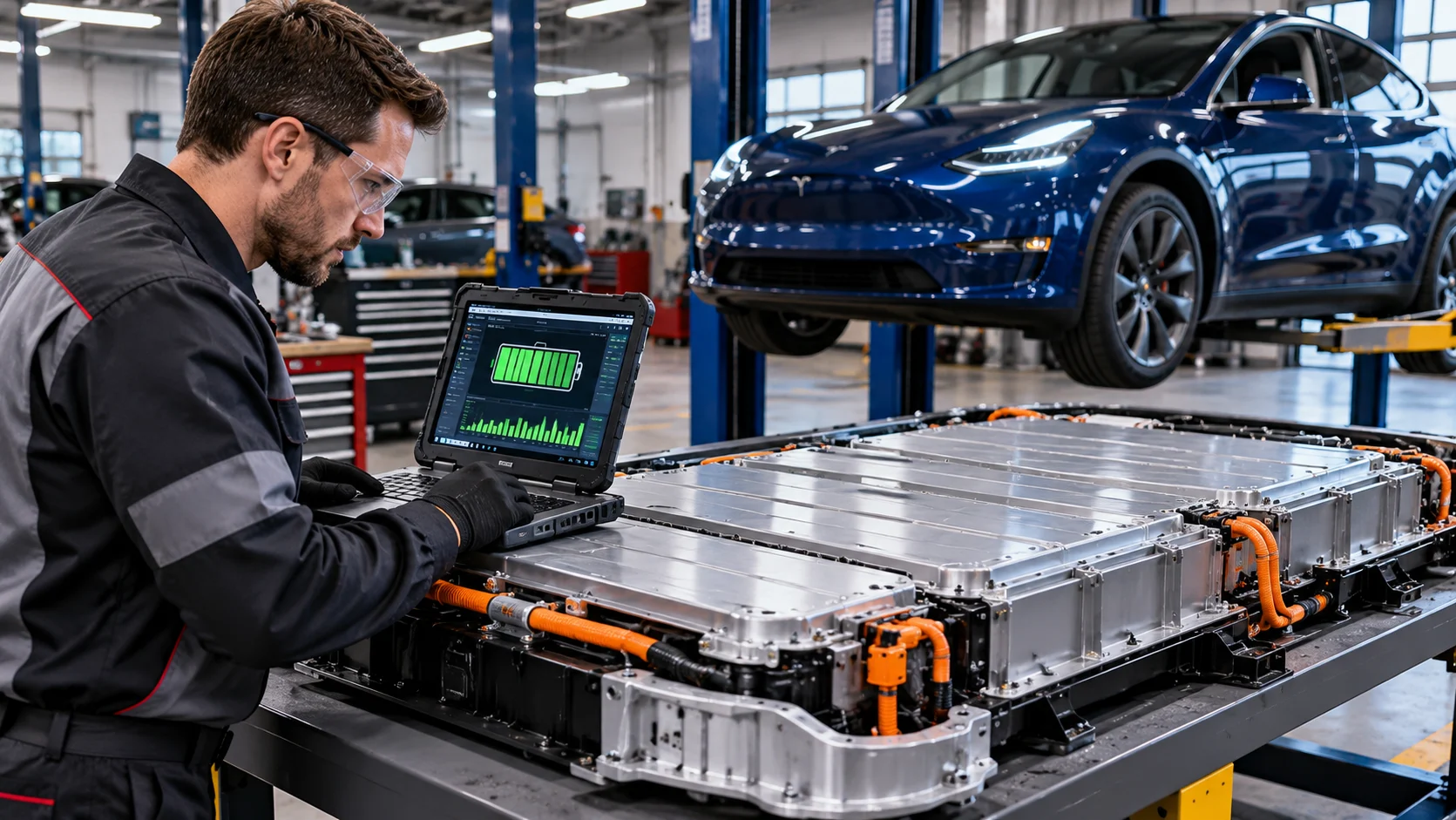
Buyers should request available battery-health information from the manufacturer or a qualified EV technician.
A proper inspection should consider:
Available battery capacity compared with the original specification.
Estimated driving range under similar conditions.
Charging speed and any charging limitations.
Battery temperature-management system.
Warning messages or diagnostic trouble codes.
Previous battery repairs or replacement.
Remaining battery warranty.
It is also important to understand that a dashboard range estimate is not a direct measurement of battery health. The displayed range can change with driving style, weather and recent energy consumption.
For some vehicles, an independent battery-health report can provide useful additional information.
Before buying, check the manufacturer's warranty terms for the exact model year and vehicle. Coverage may depend on time, mileage and specific battery conditions.
9. The Real Cost of Owning an Electric Vehicle
The financial case for an EV should be based on total ownership cost rather than the purchase price alone.
Electricity, home charging installation, public charging, insurance, tires, maintenance and depreciation all affect the final cost.
EVs generally require less routine powertrain maintenance than gasoline vehicles because they do not need engine oil changes, spark plugs or many traditional engine-related services.
However, that does not mean electric vehicles are maintenance-free.
Tires can wear differently because of vehicle weight and instant torque. Brake components still require inspection, even though regenerative braking can reduce conventional brake use. Suspension, cabin filters, coolant systems and other components may also need servicing depending on the vehicle.
Insurance costs can vary significantly by model and driver. Repair costs may also be higher for some EVs if specialized parts or battery-related work are required.
The cheapest way to charge depends on where the electricity comes from.
Home charging is often convenient and may be less expensive than public DC fast charging, but actual savings depend on the local electricity rate and charging efficiency.
Public fast charging is useful for travel, but drivers should check current prices rather than assuming every network offers the same cost.
For an accurate comparison, buyers should calculate their expected annual mileage, electricity rate, gasoline alternative fuel cost, insurance quote and expected depreciation.
10. Is an Electric Vehicle the Right Choice for Every American Driver?
Not necessarily.
EVs can be an excellent choice for drivers who have home charging, predictable daily mileage and access to reliable public charging when travelling.
They can be less convenient for people who frequently drive long distances through areas with limited charging infrastructure or who cannot install a charger at home.
Apartment residents may face additional challenges if their building does not offer charging facilities. Although public charging can help, depending on it for every daily charge may require more planning and time.
Climate is another consideration. Drivers in colder regions should account for winter range reductions and the additional energy needed for cabin heating.
For people who regularly tow heavy trailers, travel in remote areas or drive long distances in extreme weather, the choice of vehicle and charging network becomes especially important.
A plug-in hybrid can also be worth considering for drivers who want electric driving for shorter journeys but need gasoline backup for longer trips.
The best vehicle is the one that fits the driver's actual lifestyle, not simply the one with the highest advertised range or the most impressive performance figures.
11. What the Future of EV Charging Could Look Like
The American charging landscape is continuing to evolve.
The wider adoption of the North American Charging Standard, commonly called NACS, is helping simplify charging compatibility between different manufacturers and charging providers.
Tesla's Supercharger network has opened access to a growing number of non-Tesla vehicles. Several automakers have introduced NACS-equipped vehicles or manufacturer-approved adapters for compatible models.
However, the transition is not instant. Older vehicles may still rely on CCS connectors, and access to individual Supercharger sites depends on vehicle compatibility and the specific charging location.
Home charging technology is also becoming more advanced. Smart chargers can support scheduled charging, energy monitoring and integration with utility programmes.
For drivers, these developments could make EV ownership easier over time. But charging reliability, station availability, electricity prices and vehicle compatibility will remain important considerations.
The transition is not simply about installing more charging stations. It is about making sure drivers can use them reliably, affordably and without unnecessary complications.
Final Verdict: The EV Experience Is Improving, but Buyers Need to Be Realistic
Electric vehicles have developed significantly, and the American market now offers more choices than ever before.
For drivers with suitable home charging and predictable daily journeys, an EV can provide a convenient and practical alternative to a gasoline-powered car. Public charging networks are also improving, and access to Tesla's Supercharger infrastructure is expanding to more vehicle brands.
At the same time, long-distance travel still requires planning. Public charging reliability varies by location, and the total cost of charging depends on electricity prices and network fees.
The used EV market offers opportunities for buyers, particularly those considering vehicles such as the Tesla Model 3, Model Y or Chevrolet Bolt EV. But the right purchase depends on battery condition, model history, warranty coverage and the price of comparable vehicles.
The most important lesson is that electric-car ownership should be judged by real-world use rather than advertising claims.
An EV can be an excellent vehicle for the right driver. Understanding its charging requirements, highway range and long-term ownership costs is what makes the difference between a smart purchase and an expensive mistake.
Have thoughts, dyno data, or build feedback?
Join automotive enthusiasts in the paddock below to debate engineering, lap times, and modifications.
Community Pulse
How does this machine make you feel? Drop your reaction!

VehicleDrugs Editorial
VehicleDrugs Editorial Team
A passionate collective of automotive purists, track drivers, and mechanical engineers uncovering high-octane engineering breakthroughs worldwide.
🏁 Pit Crew Discussions
Drop your telemetry, debate the engineering, or talk track times with fellow petrolheads.
The Pit Lane is Quiet
Be the first driver to drop your opinion on this machine!