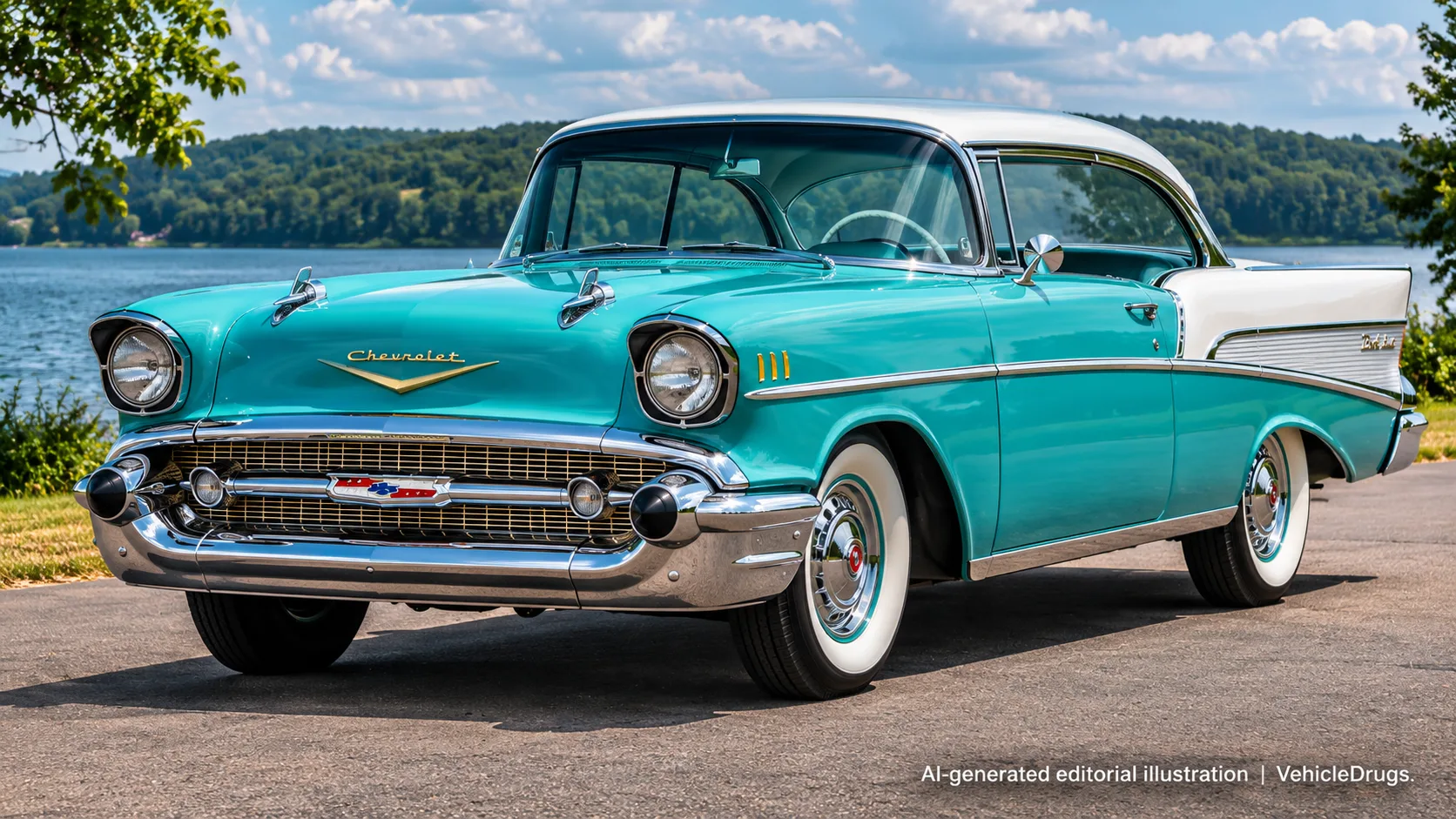

1963 Corvette Sting Ray: Split-Window, 327 V8 & Z06 History
Explore the 1963 Chevrolet Corvette Sting Ray's split-window design, 327 V8 engine options, 360-hp fuel injection, Z06 package, specifications, and history.
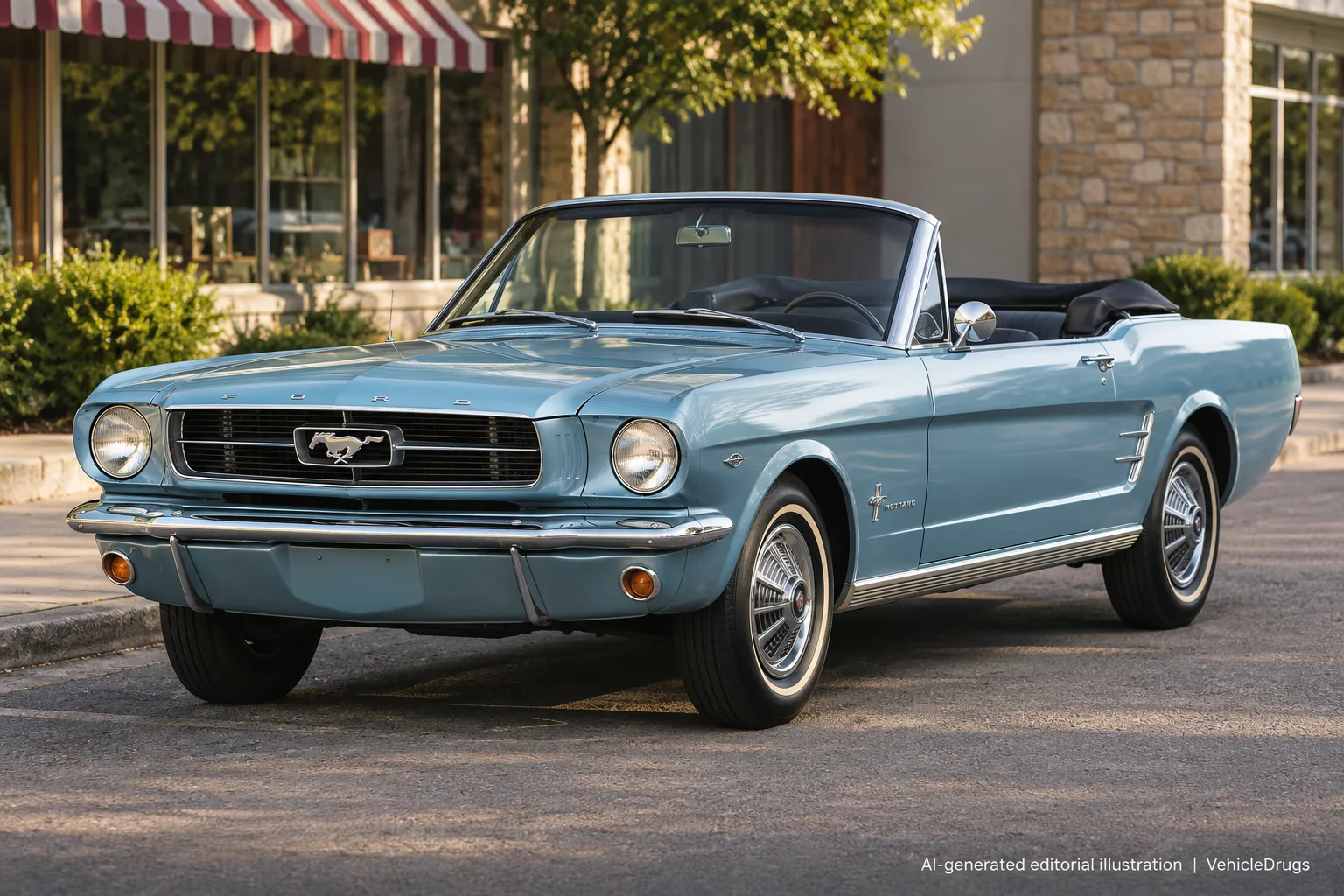
HEAD-TO-HEAD MUSCLE CAR VS COMPARISON
Compare 0-60, peak horsepower, torque, and quarter-mile times across iconic builds.
1963 Chevrolet Corvette Sting Ray: The Split-Window Legend
The 1963 Chevrolet Corvette Sting Ray marked a turning point for America's sports car. Chevrolet introduced an entirely redesigned Corvette with a new body, a first-ever production coupe, four versions of its 327-cubic-inch V8, and an independent rear suspension that transformed the car's engineering.
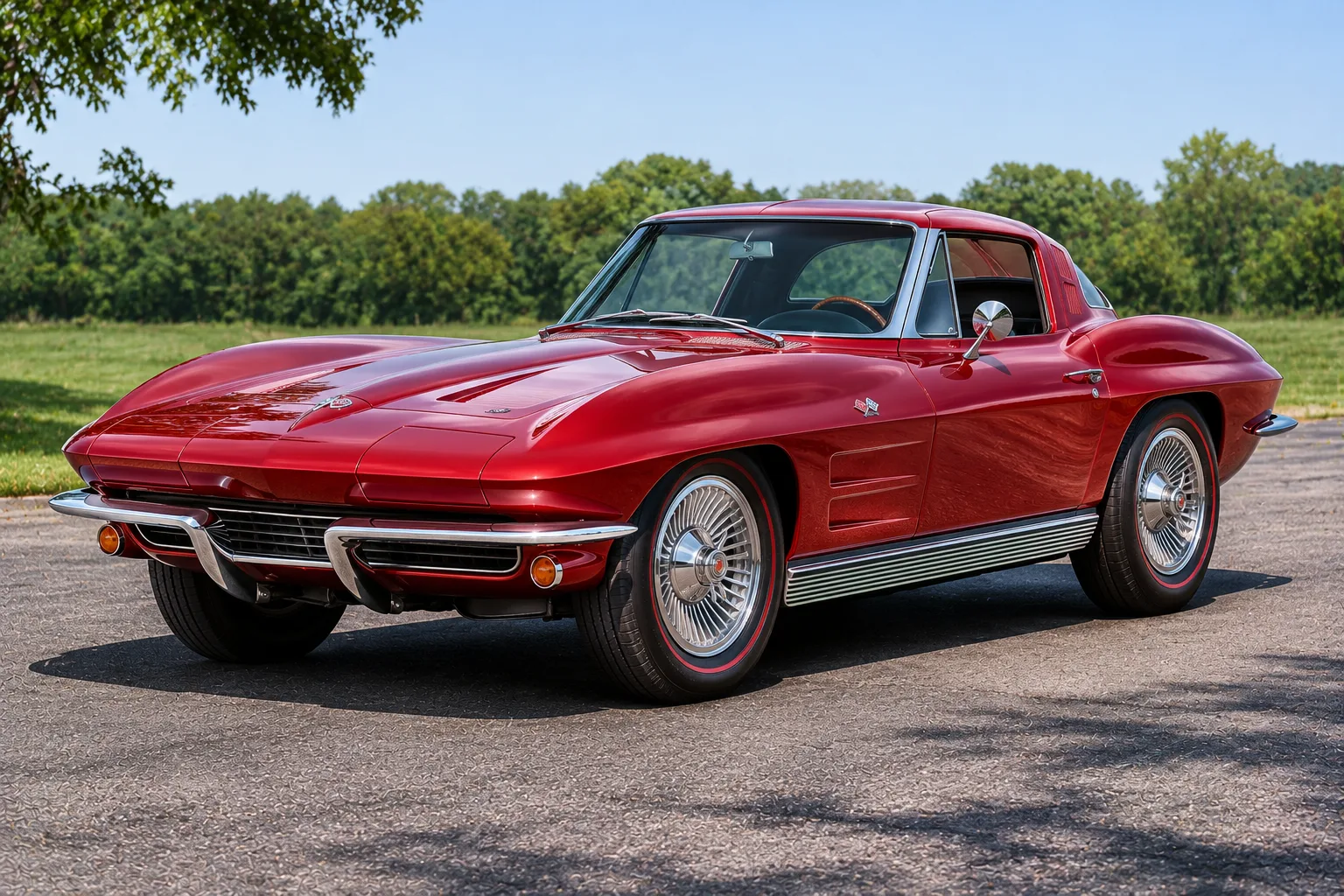
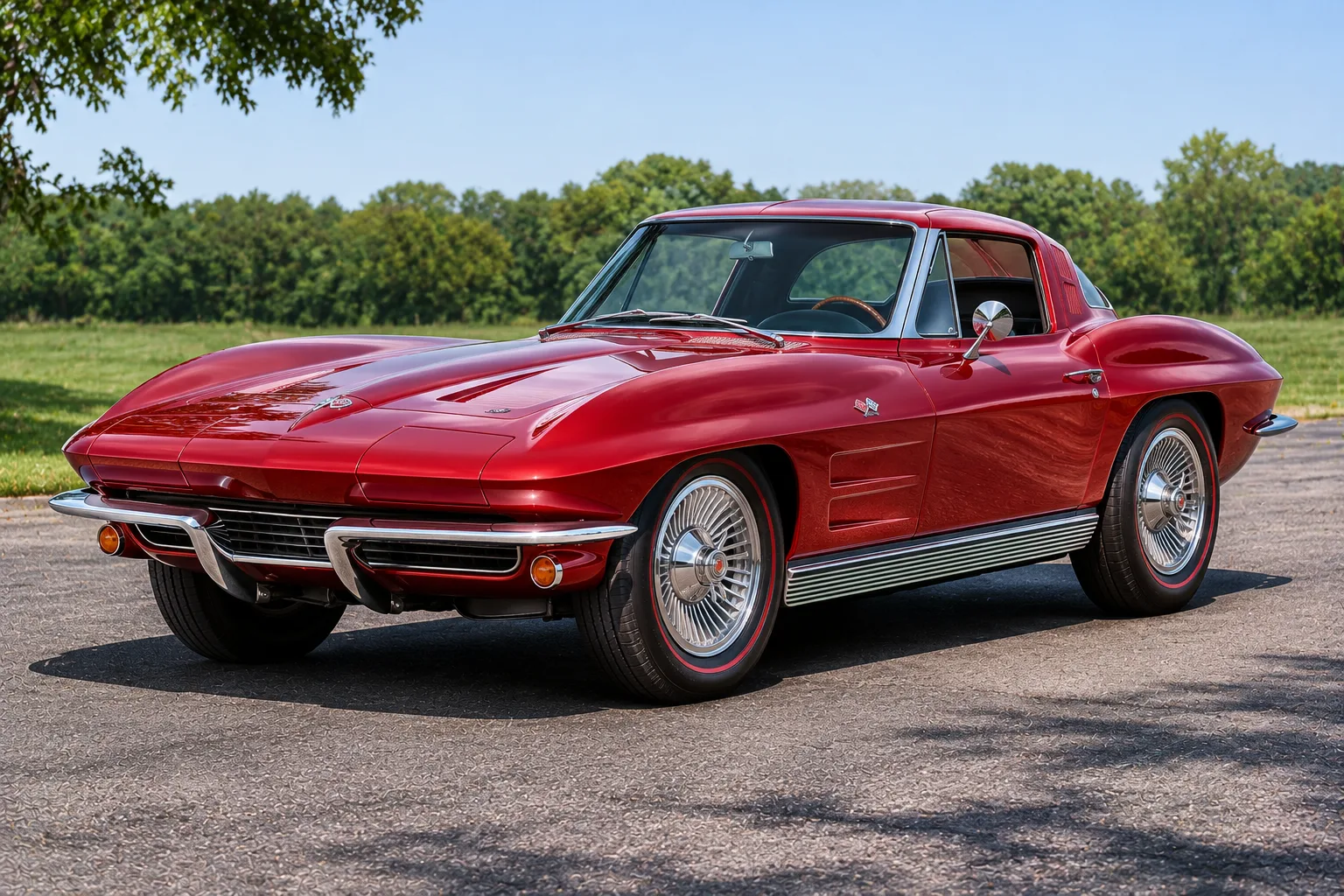
The new generation also brought one of the most recognizable designs in Corvette history: the split-window coupe. Its divided rear glass appeared for only one model year, making the 1963 Sport Coupe particularly distinctive among classic Corvettes.
Chevrolet offered the Sting Ray as both a Sport Coupe and a Convertible. Buyers could choose from four V8 power levels, ranging from 250 horsepower to a fuel-injected 360-horsepower version.
The 1963 model also introduced the Z06 Special Performance Equipment option, a factory package developed for buyers seeking more serious competition capability.
More than six decades later, the 1963 Corvette remains a defining example of American sports-car design and engineering.
A New Generation of Corvette
The 1963 Sting Ray represented the first complete Corvette redesign since the model's introduction a decade earlier.
Chevrolet developed a new body and chassis for the second-generation car, commonly known as the C2. The design moved away from the rounded appearance of the first-generation Corvette and adopted sharper body contours, a lower profile, and a more structured appearance.
For the first time, buyers could choose a factory-built Corvette coupe alongside the traditional convertible.
The Sport Coupe featured a distinctive fastback roofline, compound-curved side windows, and doors that extended upward into the roof. Chevrolet designed the doors this way to make entry and exit easier in the low-slung cabin.
The convertible retained a different rear body arrangement and offered a folding soft top. Buyers could also order a removable auxiliary hardtop.
The coupe's split rear window became the defining feature of the 1963 model. Chevrolet replaced it with a single-piece rear window for 1964, making the divided-glass design a one-year feature.
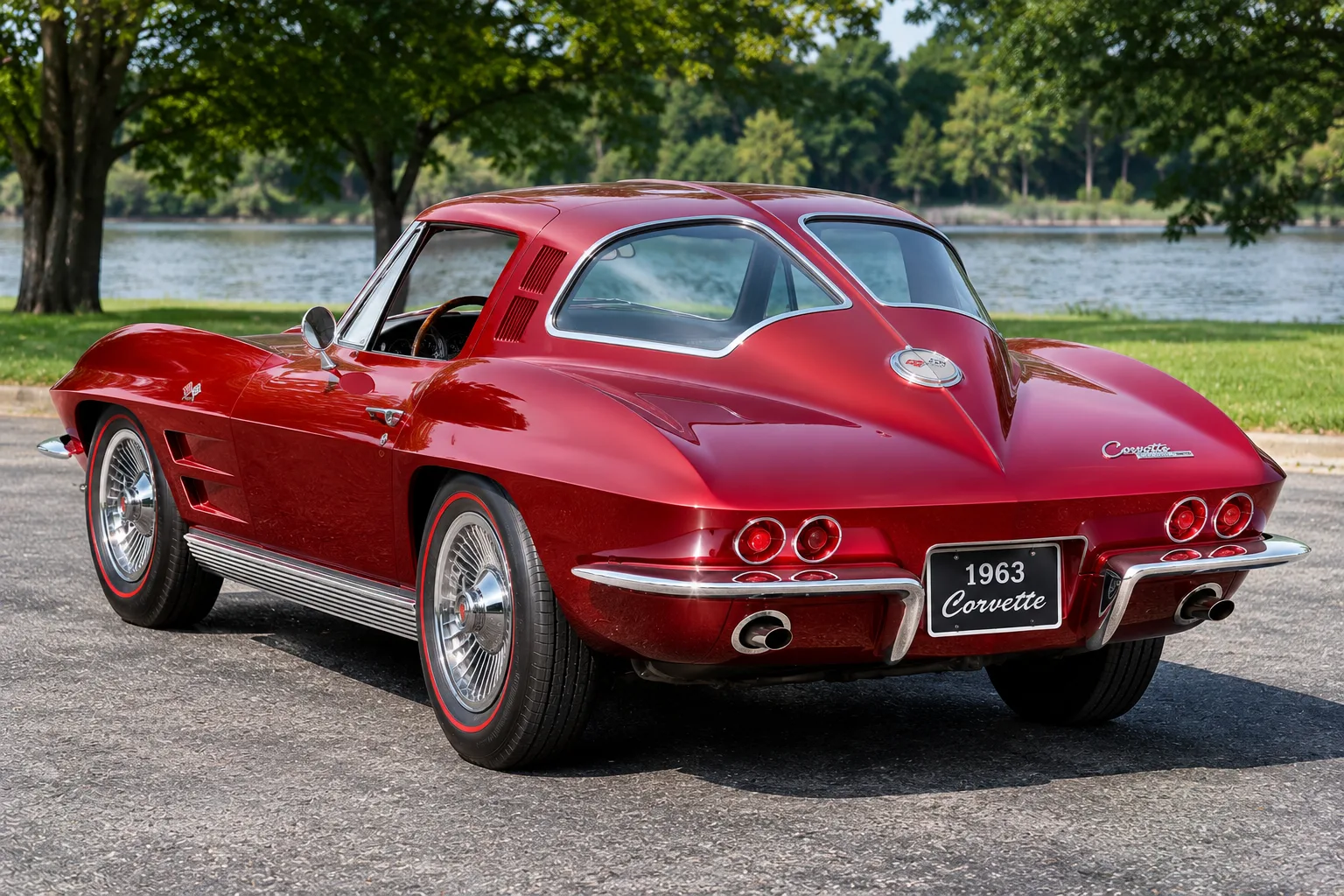
The 327-Cubic-Inch V8: Four Factory Power Levels
Chevrolet offered four versions of its 327-cubic-inch small-block V8 for the 1963 Corvette. Each engine shared the same displacement, but differences in carburetion, compression, cylinder-head design, and internal components produced different power ratings.
The factory brochure listed the following output figures:
| Engine configuration | Factory-rated horsepower |
|---|---|
| 327 V8, four-barrel carburetor | 250 hp |
| 327 V8, upgraded four-barrel | 300 hp |
| 327 V8, high-performance four-barrel | 340 hp |
| 327 V8, Rochester fuel injection | 360 hp |
The standard 250-horsepower engine used a single four-barrel carburetor, hydraulic valve lifters, and a 10.5:1 compression ratio.
The 300-horsepower version added a larger aluminum four-barrel carburetor and larger intake valves.
The 340-horsepower engine moved further toward high-performance operation. It featured larger-port cylinder heads, domed aluminum pistons, mechanical valve lifters, a special camshaft, and an 11.25:1 compression ratio.
The 360-horsepower fuel-injected engine used a specialized aluminum intake manifold with improved ram pipes. It also included a tachometer warning buzzer.
These are period gross horsepower ratings. They should not be compared directly with modern SAE net horsepower figures.
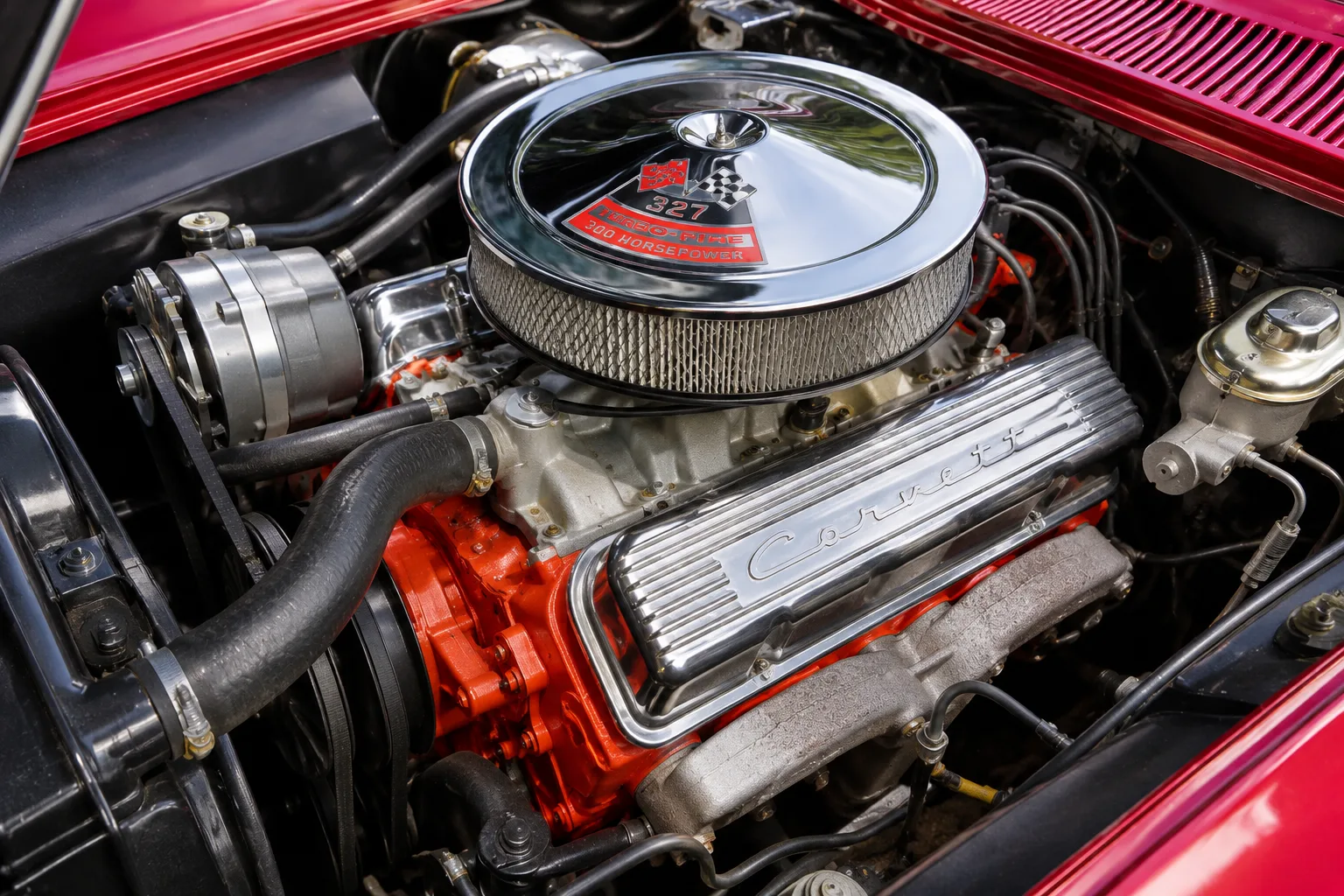
Rochester Fuel Injection: The 360-Horsepower L84
At the top of the 1963 Corvette engine range sat the 360-horsepower fuel-injected 327 V8.
Unlike the carbureted engines, this version used Chevrolet's Rochester fuel-injection system. The system delivered fuel through individual injector nozzles rather than relying on a conventional carburetor to mix fuel and air before the intake manifold.
The result was the highest factory-rated output available in the regular 1963 Corvette lineup.
The factory literature identified the fuel-injected engine as the 360-horsepower version and described its larger-volume aluminum manifold and improved ram pipes.
The fuel-injection option carried a substantial additional cost. It also became a required part of the Z06 performance package.
The 360-horsepower rating is the period gross figure, not a modern net rating. Some historical reference pages display different engine-speed figures for this engine, so the horsepower rating is more consistently supported than every published rpm detail.
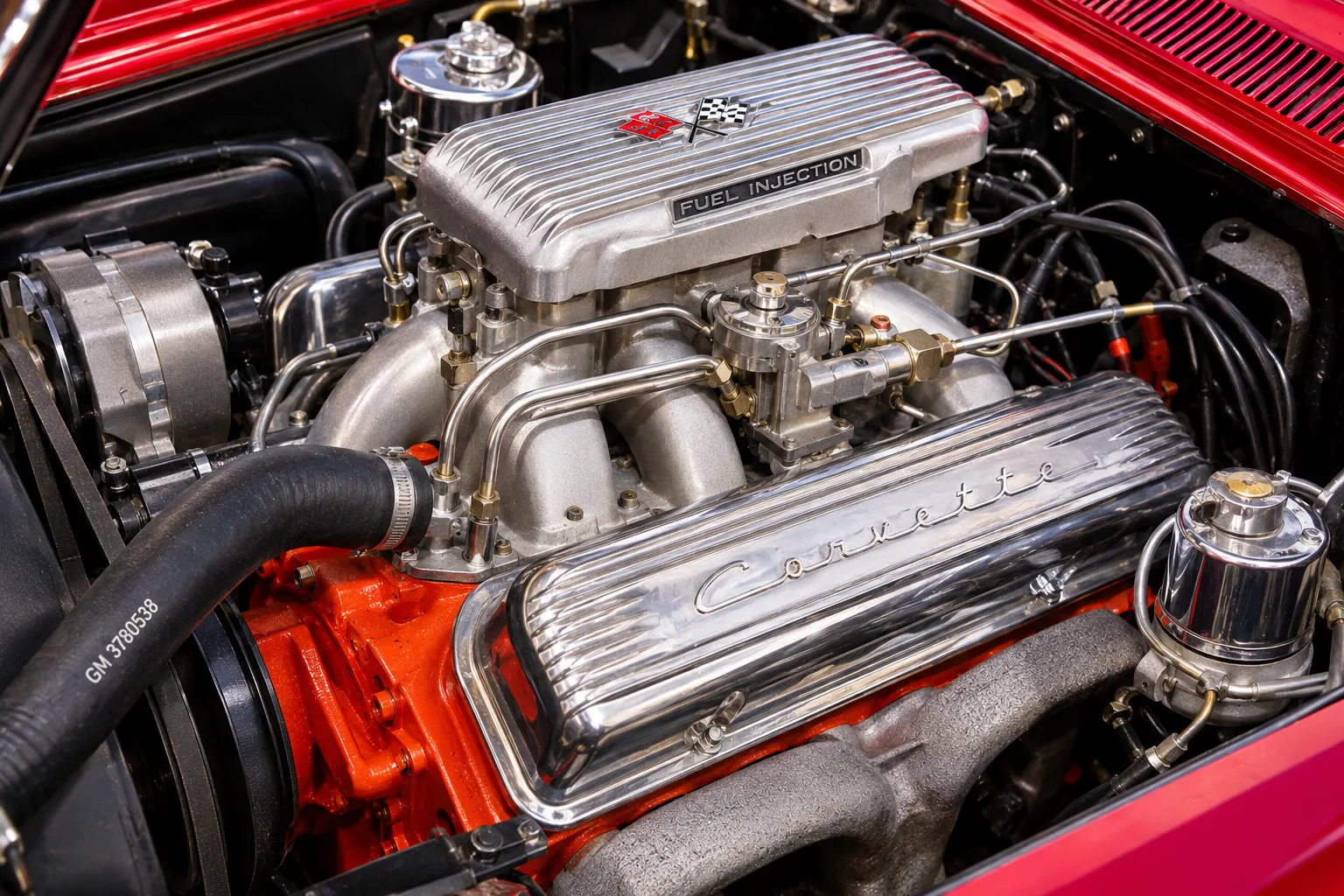
Z06: The Competition-Focused Corvette
The 1963 model year also introduced the Z06 Special Performance Equipment option.
Developed for drivers seeking a more competition-oriented Corvette, Z06 combined the fuel-injected 360-horsepower V8 with a four-speed manual transmission, Positraction limited-slip rear axle, and specialized chassis and braking equipment.
The original package included heavy-duty suspension components, stronger shock absorbers, special springs and stabilizers, and a heavy-duty brake system with sintered-metallic linings.
Its braking equipment included finned aluminum drums, cooling provisions, and a dual-circuit master cylinder.
The package changed during the model year. A Chevrolet dealer letter dated December 17, 1962, expanded Z06 availability to include both coupe and convertible body codes. It also removed the 36.5-gallon fuel tank and cast-aluminum wheels from the package, making them separately orderable equipment under their own option codes.
The larger fuel tank was subsequently available as a separate option for the coupe. This change matters when examining original Z06 cars because early and later package descriptions do not list identical equipment.
Production records commonly report 199 Z06-equipped 1963 Corvettes. That makes the option particularly significant in the history of the C2 generation.
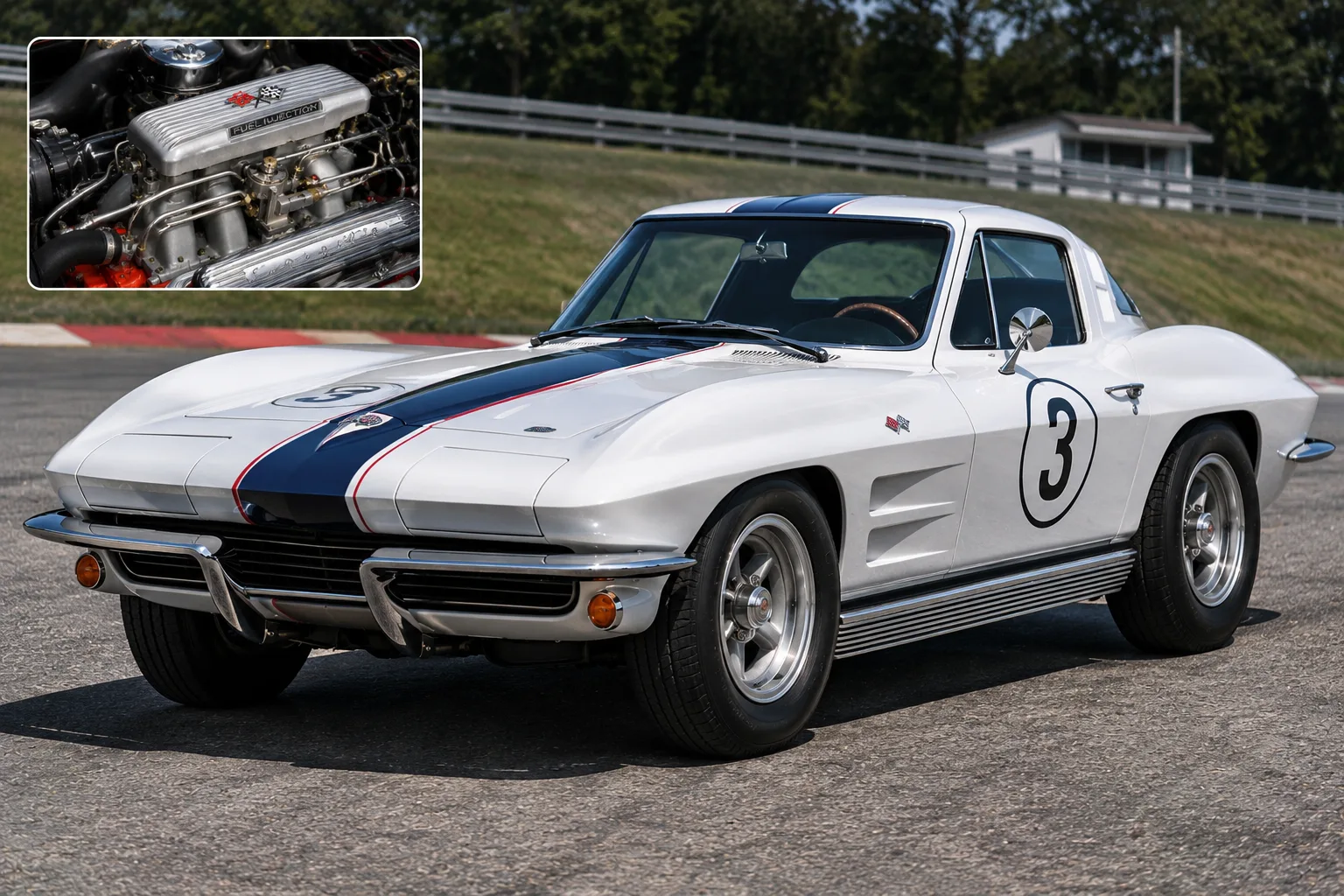
Independent Rear Suspension Changed the Corvette
The 1963 Corvette's engineering advances went beyond its engine options.
Chevrolet introduced an all-new chassis with independent suspension at both ends. The rear suspension was a particularly important change because it replaced the previous generation's conventional solid rear axle arrangement.
The new rear system used a differential mounted to the frame, half-shafts with universal joints, control links, and a transverse leaf spring.
This arrangement allowed the rear wheels to move more independently over uneven surfaces, improving the Corvette's ability to maintain tire contact and respond through corners.
The factory brochure also highlighted the new frame's increased torsional rigidity, wider wheel rims, ball-race steering, and revised weight distribution.
Contemporary road testing in Car and Driver described the new independent suspension as a major improvement in traction and cornering capability, while also noting that the standard suspension could feel unsettled on rough, uneven roads.
That period assessment offers useful context: the 1963 Corvette represented a substantial engineering step forward, but it was still a product of its time.
Exterior Design: Hidden Headlights and a Distinctive Shape
The 1963 Sting Ray introduced several styling features that became central to Corvette identity.
Its front end used concealed, retractable headlights. When closed, the headlamp assemblies blended into the bodywork, creating a clean front appearance. When activated, the headlamp doors rotated to reveal the lights.
The long hood, low nose, sculpted fenders, and sharply defined rear body gave the Sting Ray a more purposeful look than its predecessor.
The coupe's fastback roof and divided rear glass made it especially recognizable. The convertible shared the new design direction but did not have the split-window roof.
Chevrolet's original brochure also highlighted the coupe's compound-curved side windows and doors that extended upward into the roof.
These details were not simply decorative. They were part of a broader redesign intended to give the Corvette a more advanced sports-car appearance and improved everyday usability.
Interior: A Driver-Focused Sports Car Cabin
The 1963 Corvette cabin combined traditional sports-car proportions with several new convenience features.
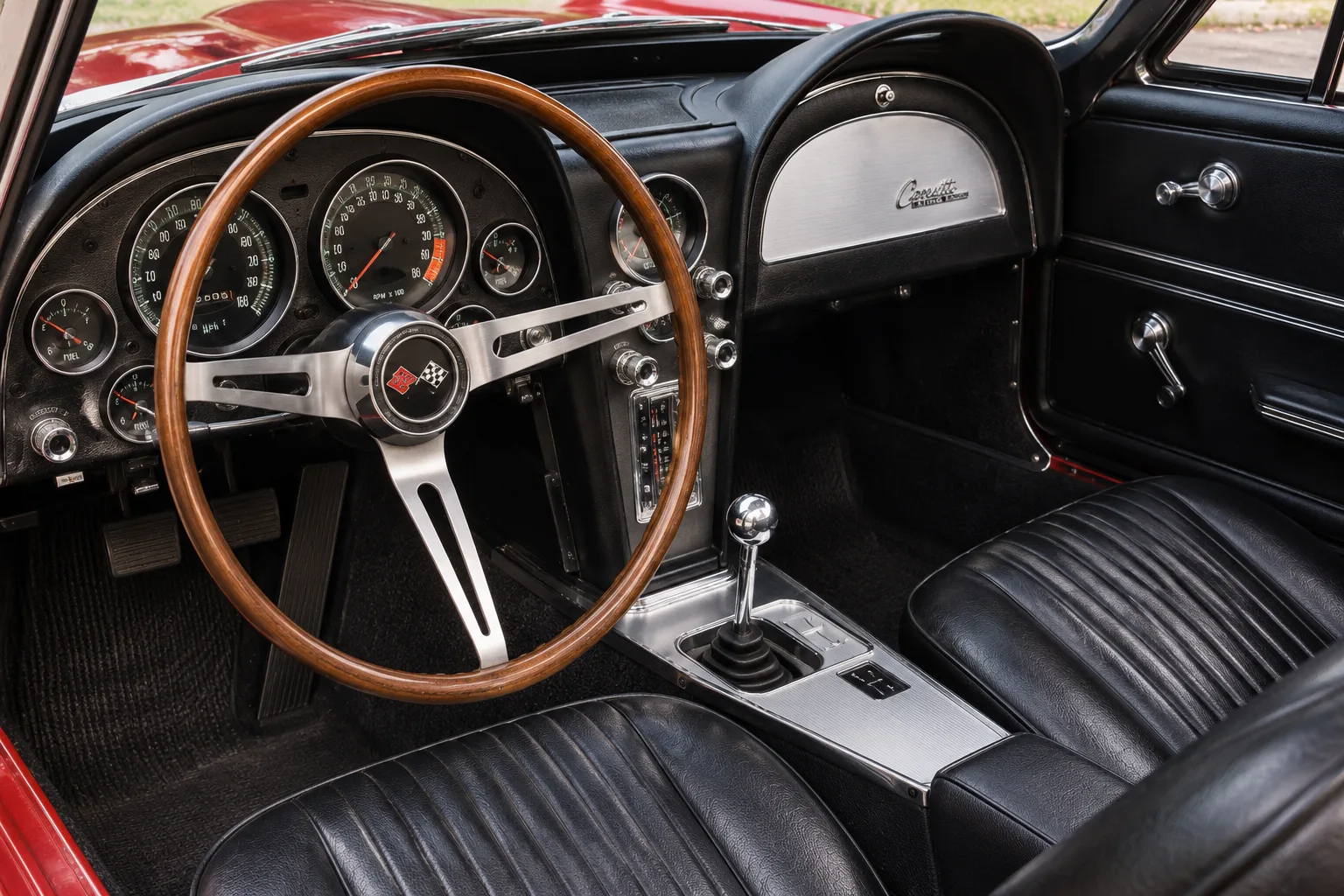
The interior included bucket seats, a three-spoke steering wheel, a grouped instrument panel, and a center console. Chevrolet offered several color-keyed interior combinations, while genuine leather seating was available as an option.
The adjustable steering column allowed drivers to move the wheel to a more comfortable position. The coupe also offered carpeted luggage space behind the seats, with additional concealed storage areas.
Other available equipment included power windows, power steering, power brakes, radio options, an electric clock, and air conditioning.
The equipment depended on the original order. Not every 1963 Corvette left the factory with all these features.
1963 Chevrolet Corvette Sting Ray: Key Specifications
| Specification | 1963 Corvette |
|---|---|
| Generation | Second generation, C2 |
| Body styles | Sport Coupe, Convertible |
| Engine | 327-cu-in OHV V8 |
| Displacement | 5.4 liters |
| Horsepower range | 250–360 gross hp |
| Highest-output engine | 360-hp fuel-injected V8 |
| Standard transmission | 3-speed manual |
| Optional transmissions | 4-speed manual, 2-speed Powerglide automatic |
| Drivetrain | Front-engine, rear-wheel drive |
| Front suspension | Independent |
| Rear suspension | Independent, transverse leaf spring |
| Wheelbase | 98 inches |
| Overall length | 175.3 inches |
| Overall width | 69.6 inches |
| Production | 21,513 |
Horsepower figures are period gross ratings. Transmission availability depended on the selected engine. Production totals are model-year figures.
Production and the One-Year Split Window
Chevrolet produced 21,513 Corvettes for the 1963 model year, including both Sport Coupes and Convertibles.
The new coupe expanded the Corvette's appeal beyond buyers who wanted an open-top sports car. Its distinctive roofline and split rear window gave it a visual identity that has remained closely associated with the 1963 model.
The split window did not continue into 1964. Chevrolet adopted a single-piece rear window for the next model year, making the 1963 coupe a one-year design.
The model's production success also demonstrated that Chevrolet could sell a substantially redesigned Corvette while retaining the performance identity that buyers expected.
Why the 1963 Corvette Still Matters
The 1963 Corvette Sting Ray brought together several developments that shaped the future of the model.
It introduced the first production Corvette coupe, established the C2 generation, and brought independent rear suspension to the production car. Its 327 V8 engine range offered four distinct factory power levels, while the Z06 package gave serious enthusiasts a competition-focused option.
The split-window coupe became the most recognizable version of the year, but the broader importance of the 1963 model goes beyond its roof design.
It marked a major step in the Corvette's development from an American sports car into a more sophisticated performance machine.
Frequently Asked Questions
Was 1963 the first year of the split-window Corvette?
Yes. The split rear window appeared on the 1963 Corvette Sport Coupe only. Chevrolet replaced it with a single-piece rear window for the 1964 model year.
How much horsepower did the 1963 Corvette produce?
Chevrolet offered four 327 V8 versions rated at 250, 300, 340 and 360 gross horsepower. The 360-hp engine used Rochester fuel injection.
What engine came in the 1963 Corvette?
Every 1963 Corvette used a 327-cubic-inch small-block V8. Buyers could select from four factory power configurations.
What was the 1963 Corvette Z06?
Z06 was a Special Performance Equipment option that combined the fuel-injected 360-hp engine with a four-speed manual transmission, Positraction rear axle, and specialized braking and suspension equipment.
How many 1963 Corvette Z06 cars were built?
Historical production references commonly report 199 Z06-equipped cars for the 1963 model year.
Did the 1963 Corvette have independent rear suspension?
Yes. The 1963 model introduced an independent rear suspension system, replacing the previous generation's solid rear axle arrangement.
Was the 1963 Corvette available as a convertible?
Yes. Chevrolet offered both a Sport Coupe and a Convertible. Only the Sport Coupe had the split rear window.
What transmissions were available in 1963?
The standard transmission was a three-speed manual. Buyers could also select an optional four-speed manual or two-speed Powerglide automatic, subject to engine compatibility.
Final Thoughts
The 1963 Chevrolet Corvette Sting Ray combined a dramatic new design with meaningful engineering improvements. Its independent rear suspension, four 327 V8 power levels, and competition-focused Z06 option made it one of the most significant Corvettes of its era.
The split-window coupe remains its most recognizable feature, but the car's importance comes from the complete package: a new generation of Corvette engineering that helped shape the sports car for years to come.
Sources and References
Chevrolet – 1963 Corvette Sales Brochure and Mechanical Information
Car and Driver – Tested: 1963 Chevrolet Corvette Sting Ray Changes the Course of Corvette History
Corvette Action Center – 1963 Corvette Production and Options
Verification Notes
Factory brochure figures were used for engine displacement, horsepower, compression ratios and transmission descriptions.
The GM Heritage page lists the 360-hp engine at 5,000 rpm, while other historical references and factory-related material differ on the stated engine speed. The article therefore avoids presenting a disputed rpm figure as definitive.
The December 17, 1962 Chevrolet dealer letter confirms that the Z06 package changed during the model year, including the separation of the large fuel tank and cast-aluminum wheels into other options.
Production total: 21,513. Z06 production: 199, as reported in historical Corvette production references.
Historical specifications and prices refer to the 1963 model year; no current pricing or availability claims are made.
Have thoughts, dyno data, or build feedback?
Join automotive enthusiasts in the paddock below to debate engineering, lap times, and modifications.
Community Pulse
How does this machine make you feel? Drop your reaction!

VehicleDrugs Editorial
VehicleDrugs Editorial Team
A passionate collective of automotive purists, track drivers, and mechanical engineers uncovering high-octane engineering breakthroughs worldwide.
🏁 Pit Crew Discussions
Drop your telemetry, debate the engineering, or talk track times with fellow petrolheads.
The Pit Lane is Quiet
Be the first driver to drop your opinion on this machine!