Toyota Recalls 314,029 Vehicles Over Takata Airbag Risk
Toyota recalls 314,029 U.S. vehicles over Takata airbag risks. See affected Toyota and Lexus models, the safety issue and free repair details.
HEAD-TO-HEAD MUSCLE CAR VS COMPARISON
Compare 0-60, peak horsepower, torque, and quarter-mile times across iconic builds.
Toyota Recalls 314,029 Vehicles Over Takata Airbag Risk
Toyota is recalling 314,029 potentially involved vehicles in the United
States over a safety concern involving Takata front passenger airbag inflators.
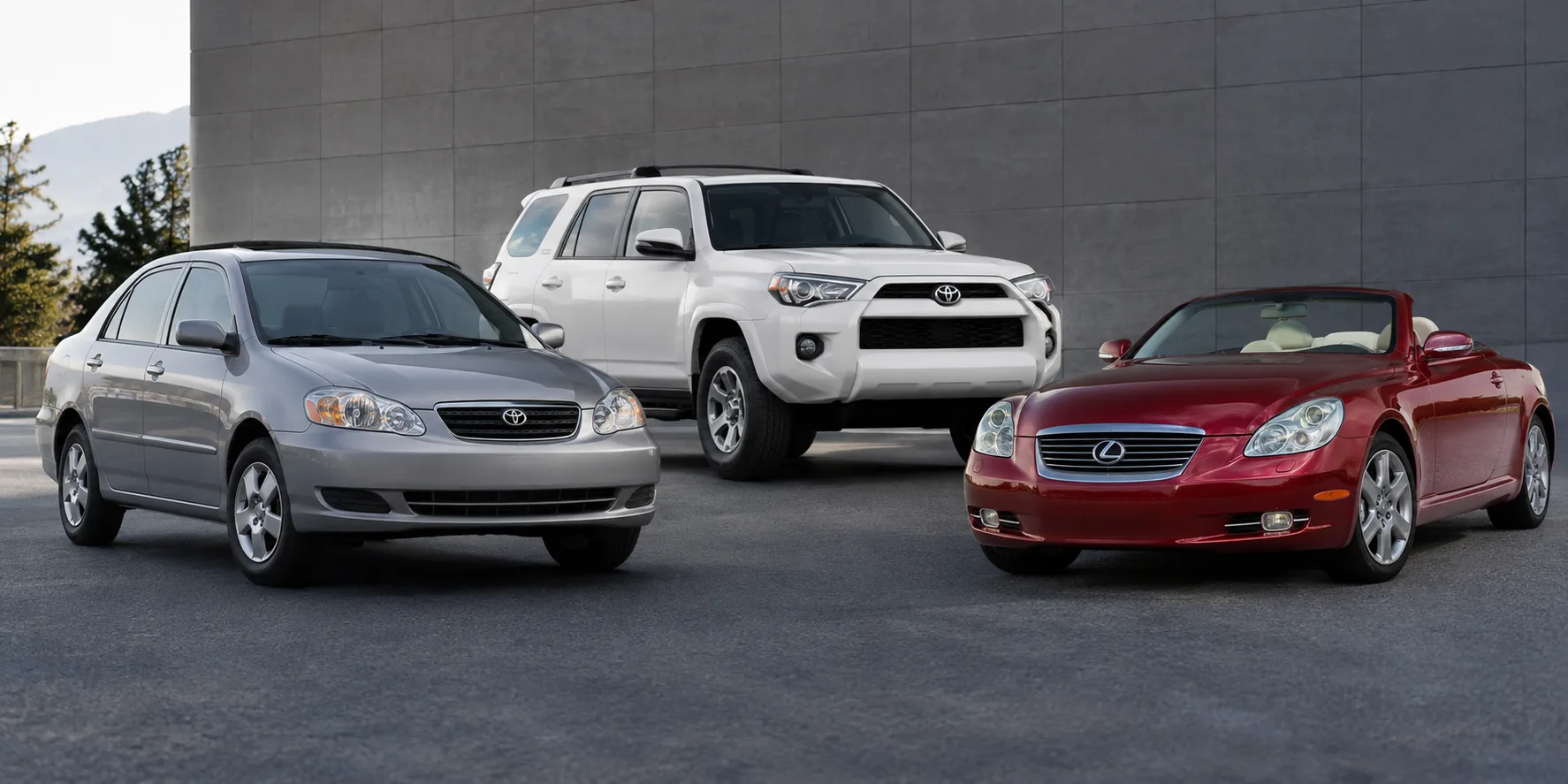
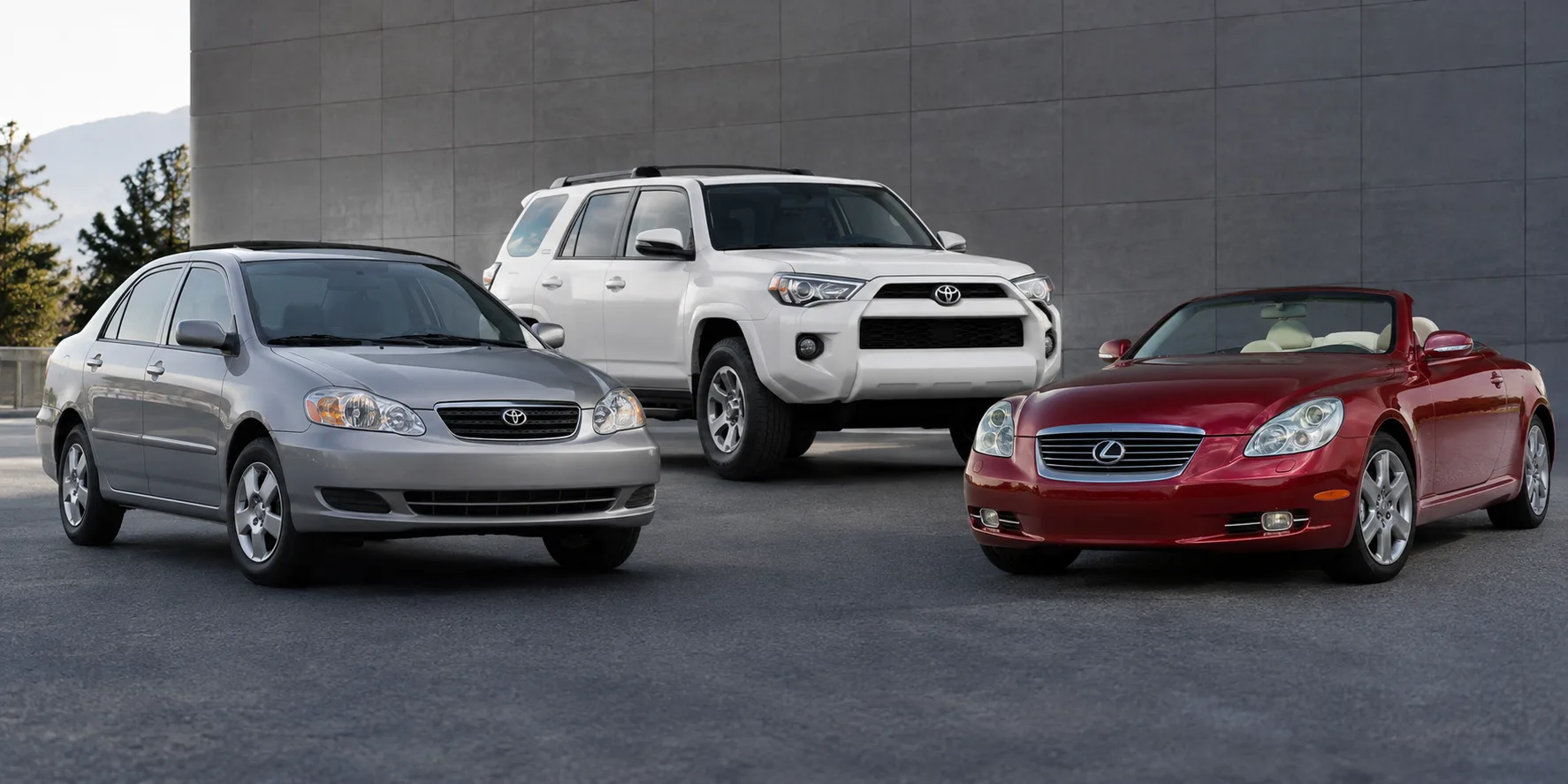
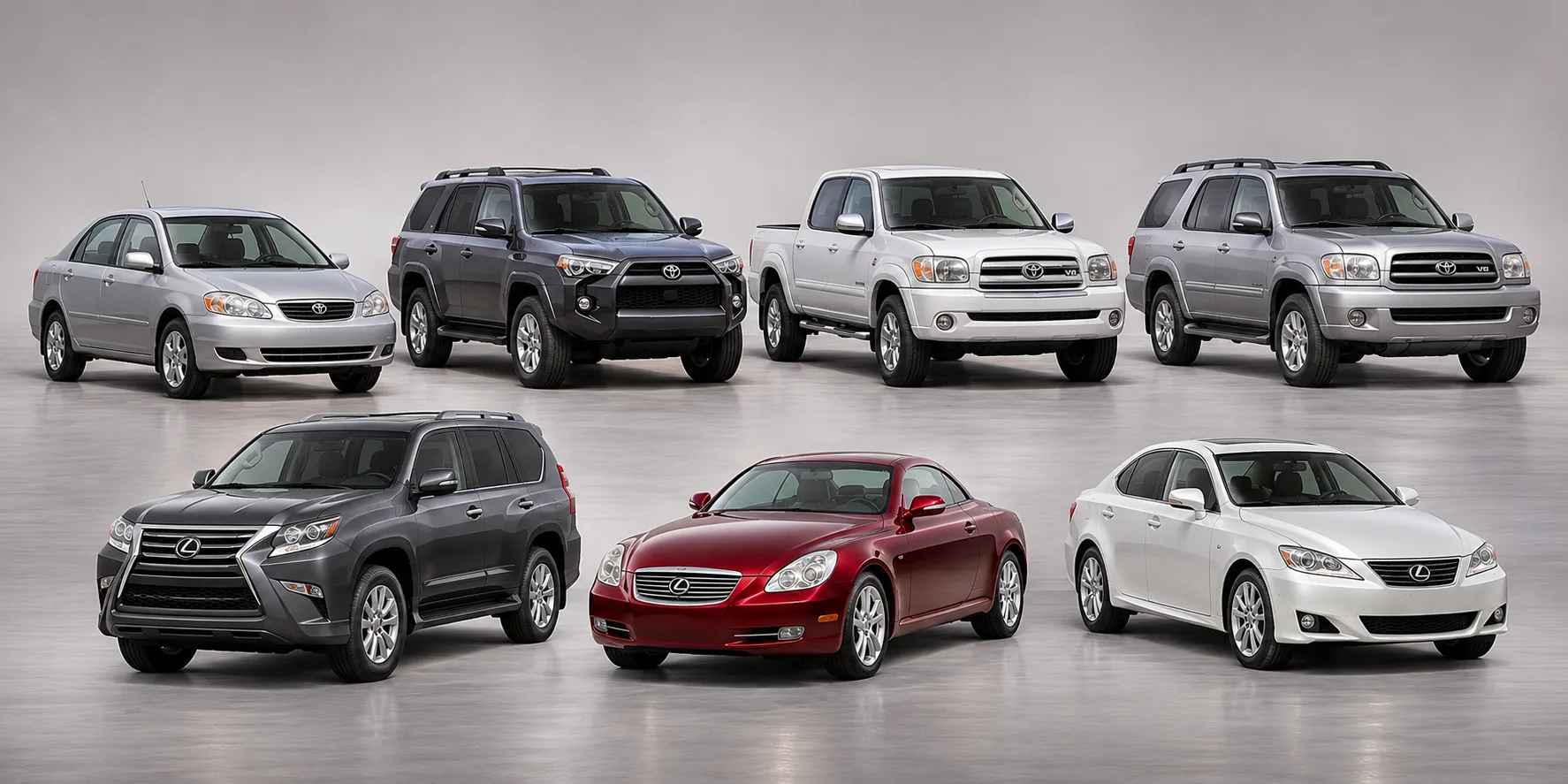
The voluntary recall covers selected Toyota and Lexus models, including the
Corolla, 4Runner, Tundra, Sequoia, Lexus GX460, SC430 and IS250.
Announced on November 12, 2026, the campaign addresses a potential problem
with the propellant inside certain Takata airbag inflators. Prolonged exposure
to high humidity and temperature conditions may cause the propellant to degrade
over time. If an affected airbag deploys, the inflator could rupture and send
metal fragments into the vehicle's interior, potentially causing serious
injuries or death.
Toyota says authorized Toyota and Lexus dealerships will replace the affected
front passenger airbag inflator or the complete airbag assembly, depending on
the vehicle, free of charge.
The campaign is registered with the National Highway Traffic Safety
Administration (NHTSA) under recall number 26V748. Toyota's
public announcement describes approximately 314,000 vehicles, while its
official NHTSA filing identifies the exact potentially involved population as
314,029.
Which Toyota and Lexus Models Are Affected?
According to Toyota's Part 573 safety recall report submitted to NHTSA, the
campaign covers seven vehicle models across the Toyota and Lexus brands.
The manufacturer identifies the following potentially involved vehicles:
|
Vehicle |
Model Years |
Potentially
Involved |
|
Toyota Corolla |
2003–2008 |
232,174 |
|
Toyota 4Runner |
2016–2017 |
35,949 |
|
Toyota Tundra |
2005–2006 |
25,174 |
|
Toyota Sequoia |
2005–2007 |
10,736 |
|
Lexus GX460 |
2017 |
8,931 |
|
Lexus SC430 |
2002–2010 |
1,064 |
|
Lexus IS250 |
2011 |
1 |
|
Total |
314,029 |
The Toyota Corolla accounts for the largest portion of the recall, with
232,174 potentially involved vehicles, representing approximately 74% of the
total population.
The 4Runner is the second-largest group, followed by the Tundra and Sequoia.
Among Lexus vehicles, the GX460 accounts for the largest number.
However, these model-year ranges do not mean that every vehicle produced
during those years is affected. Toyota's filing specifically limits the
campaign to vehicles equipped with certain Takata front passenger airbag
inflators installed as original equipment or as replacement parts during a
previous recall.
Other inflators of the same design were installed later and have more
estimated Safe Service Life remaining. Toyota says those components continue to
be monitored.
The actual recall population is therefore determined by the specific
inflator fitted to the vehicle, not simply its model year.
Source: NHTSA Part
573 Safety Recall Report – Campaign 26V748.
What Is the Takata Airbag Inflator Problem?
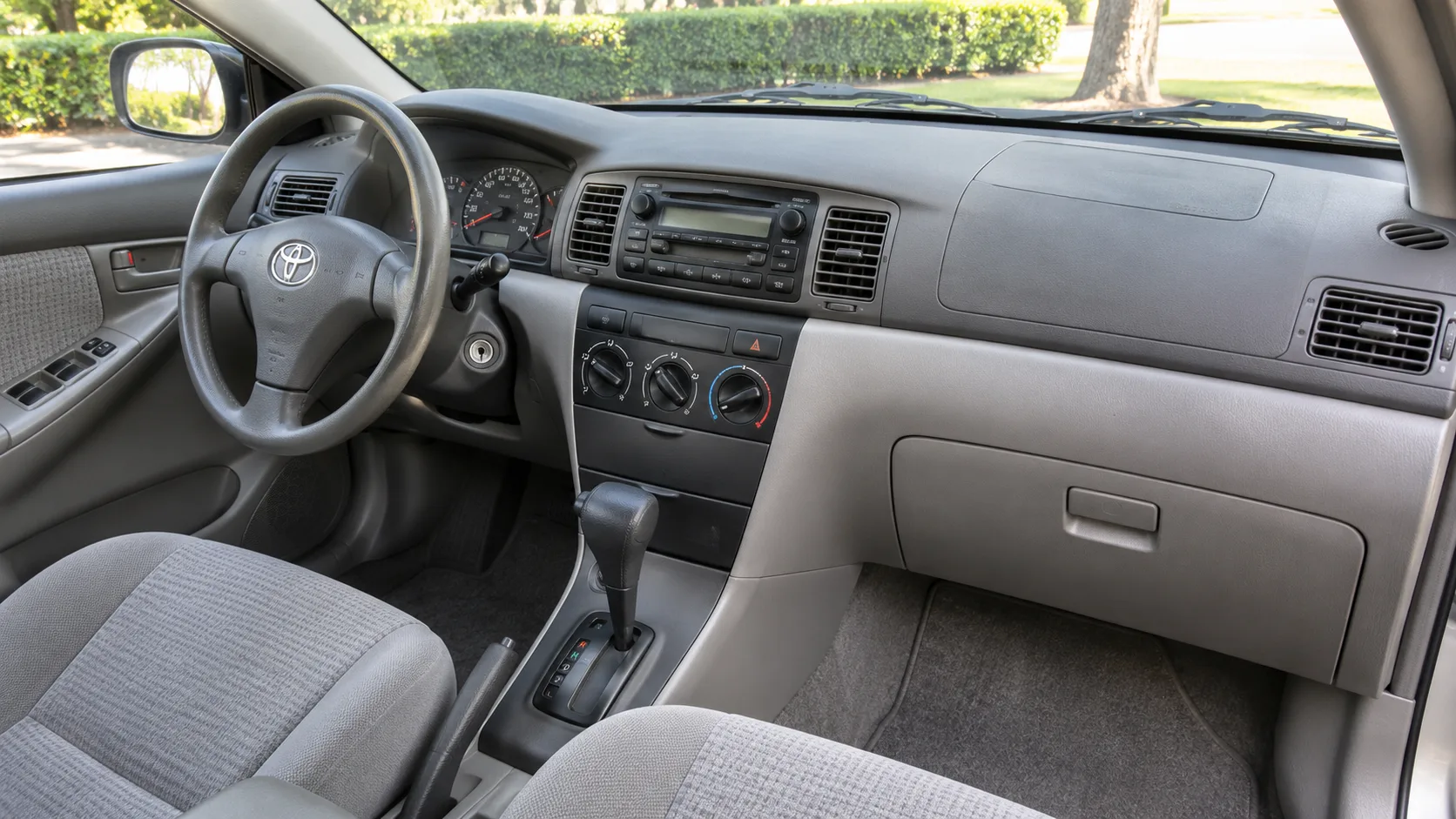
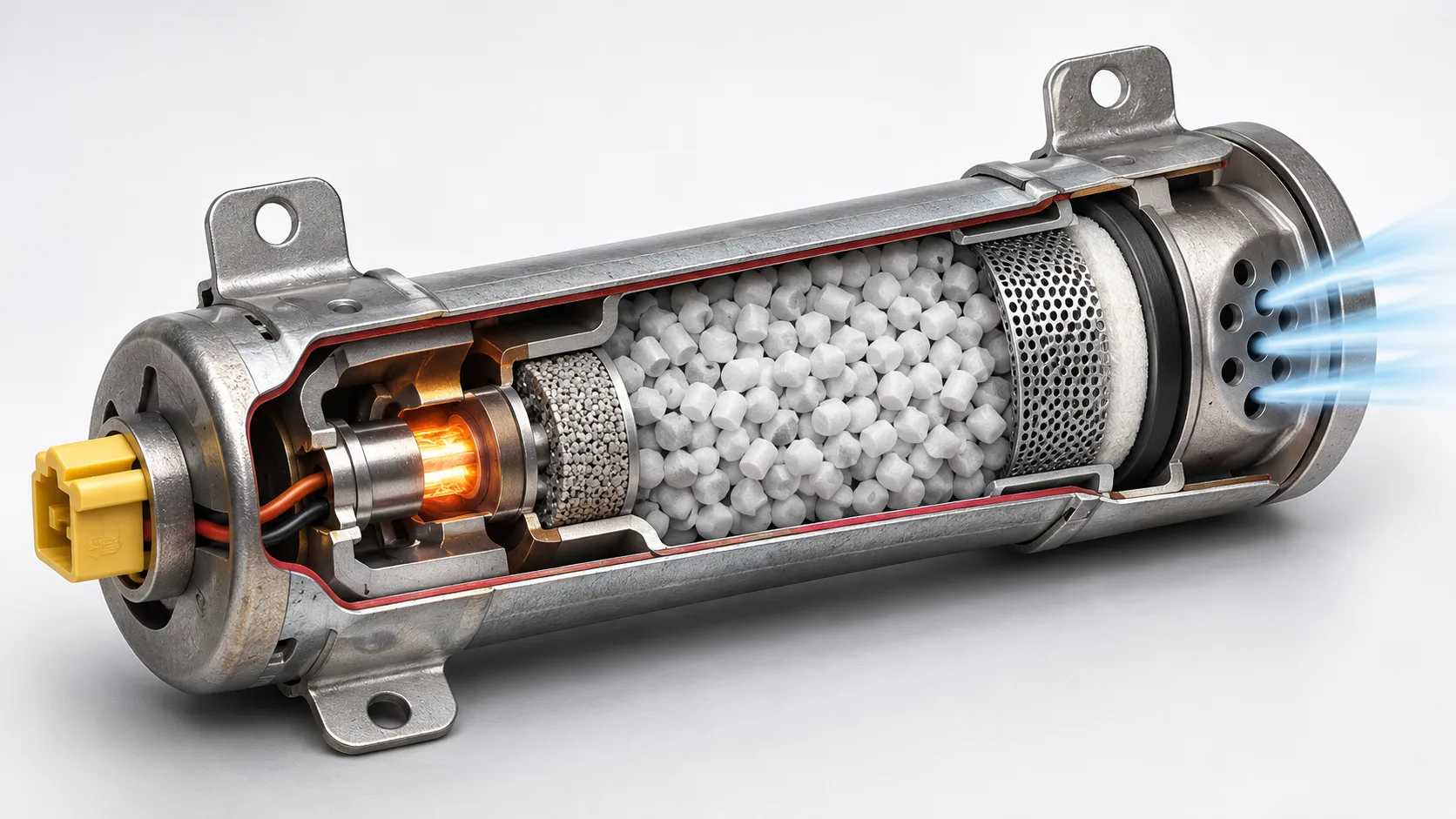
The safety concern involves the front passenger airbag inflators
manufactured by Takata.
An airbag inflator is responsible for generating gas to fill the airbag when
the vehicle's restraint system activates during a crash. The inflated airbag
provides a cushioning surface intended to help protect the occupant.
The affected Takata inflators contain a propellant identified in Toyota's
NHTSA filing as desiccated, phase-stabilized ammonium nitrate, commonly known
as PSAN.
According to the recall documentation, prolonged exposure to certain
environmental conditions may cause the propellant to degrade. Toyota identifies
three relevant exposure factors:
·
High absolute humidity.
·
High temperatures.
·
Repeated high-temperature cycling.
Over time, these conditions may affect the stability of the propellant. If
an affected airbag deploys, the inflator could rupture instead of operating as
intended.
A rupture may send metal fragments through the airbag and into the vehicle
interior at high speed. These fragments could strike the driver or other
occupants and cause serious injuries or death.
The problem is particularly concerning because an airbag is designed to
protect vehicle occupants during a collision, but a compromised inflator can
create an additional safety hazard during deployment.
Source: NHTSA – Official
Recall Report, Defect Description.
Why Is Toyota Issuing the Recall Now?
One important question surrounding this campaign is why Toyota decided to
recall these vehicles despite reporting no measurable propellant degradation
during its analysis.
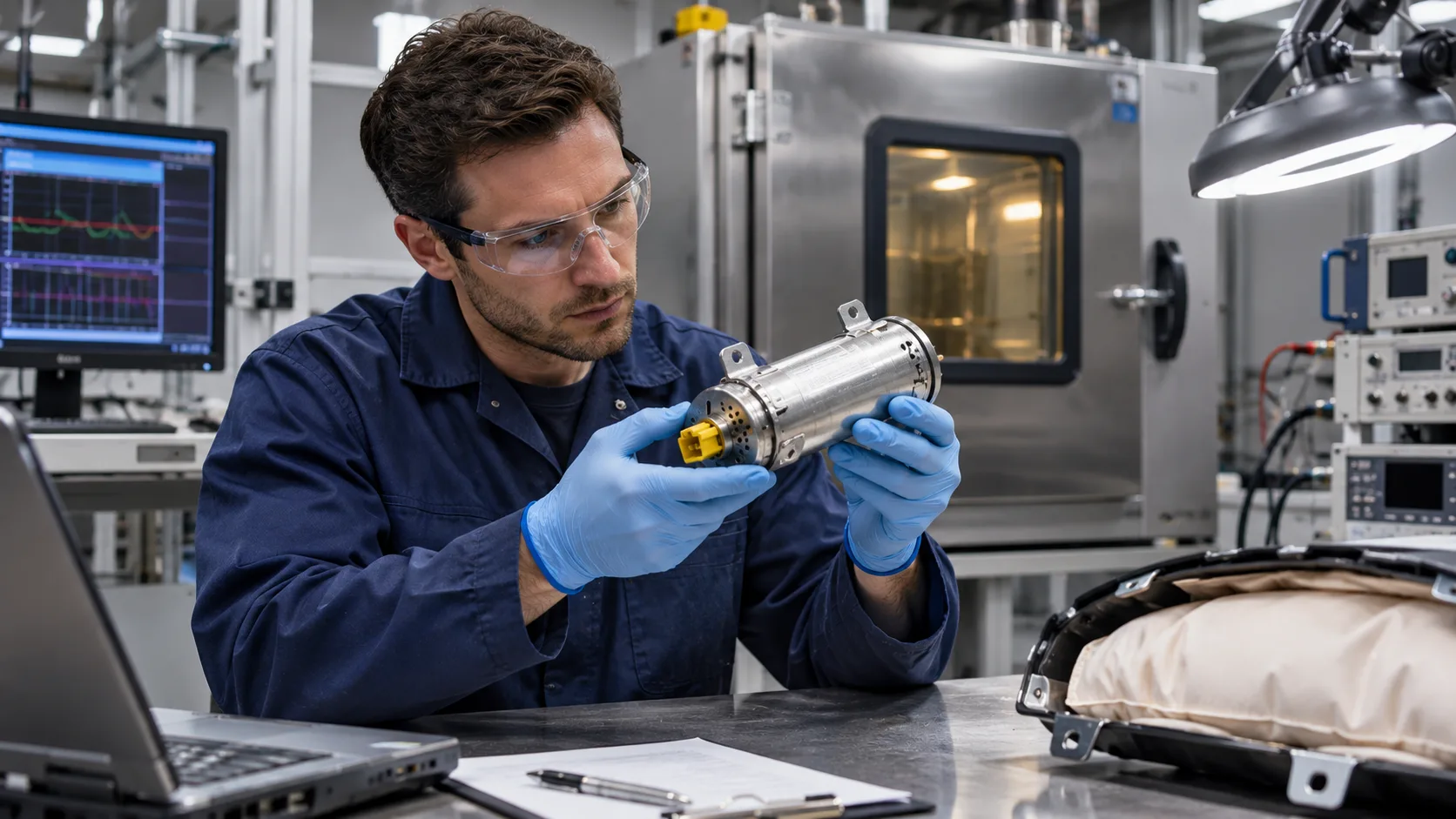
According to the manufacturer's NHTSA filing, Toyota has collected and
analyzed Takata inflators containing this type of desiccated PSAN propellant
since 2016.
Toyota reported that its testing had not identified measurable degradation
of the propellant. It also stated that no field ruptures involving the specific
subject inflators had been reported under NHTSA's Standing General Order
2015-01A.
However, the manufacturer also considered research into the estimated Safe
Service Life (SSL) of these inflators.
The recall report identifies two relevant research efforts:
·
TK Global (TKG), which published Safe Service
Life estimates in November 2021.
·
The Independent Testing Coalition (ITC), which
published a separate modeling analysis in October 2019.
Toyota stated that the TKG modeling was more conservative than the ITC
analysis.
Based on the TKG study and the dates when the affected inflators entered
service, Toyota determined that the components would approach the end of their
estimated Safe Service Life.
This raised concerns about the possibility of future propellant degradation,
which could lead to an inflator rupture if the airbag deployed.
On November 6, 2026, Toyota decided to conduct a voluntary safety recall out
of an abundance of caution.
The distinction is important: the decision was based on a projected future
safety risk associated with the estimated service life of the inflators, rather
than a reported series of field ruptures involving the specific components
covered by this campaign.
Source: Toyota's
official NHTSA recall chronology, Part 573 Report.
Does Toyota Know How Many Inflators Are Actually Defective?
Although the recall covers 314,029 potentially involved vehicles, Toyota has
not provided a reliable estimate of the percentage of vehicles that actually
contain the defect.
This is an important distinction when interpreting the recall figures.
In its NHTSA filing, Toyota explained that the manufacturer portal requires
an integer value for the estimated percentage of vehicles with the defect. The
company entered 1 in that field because the actual percentage was unknown.
Toyota explicitly stated that the value 1 means unknown.
Therefore, the figure should not be interpreted as a confirmed 1% defect
rate.
The 314,029 figure represents the potentially involved vehicle population,
not 314,029 confirmed defective inflators.
Toyota also explained that the time required for a desiccated front
passenger Takata PSAN inflator to reach an unreasonable level of safety risk
can vary considerably. Factors include the age of the inflator and its
environmental exposure.
For owners, the most reliable approach is to check the vehicle's VIN through
an official recall lookup service rather than trying to judge the condition of
an airbag based on the vehicle's age or appearance.
Source: NHTSA Part
573 Report – Vehicle Population and Descriptive Information.
How Will Toyota Fix the Takata Airbag Problem?
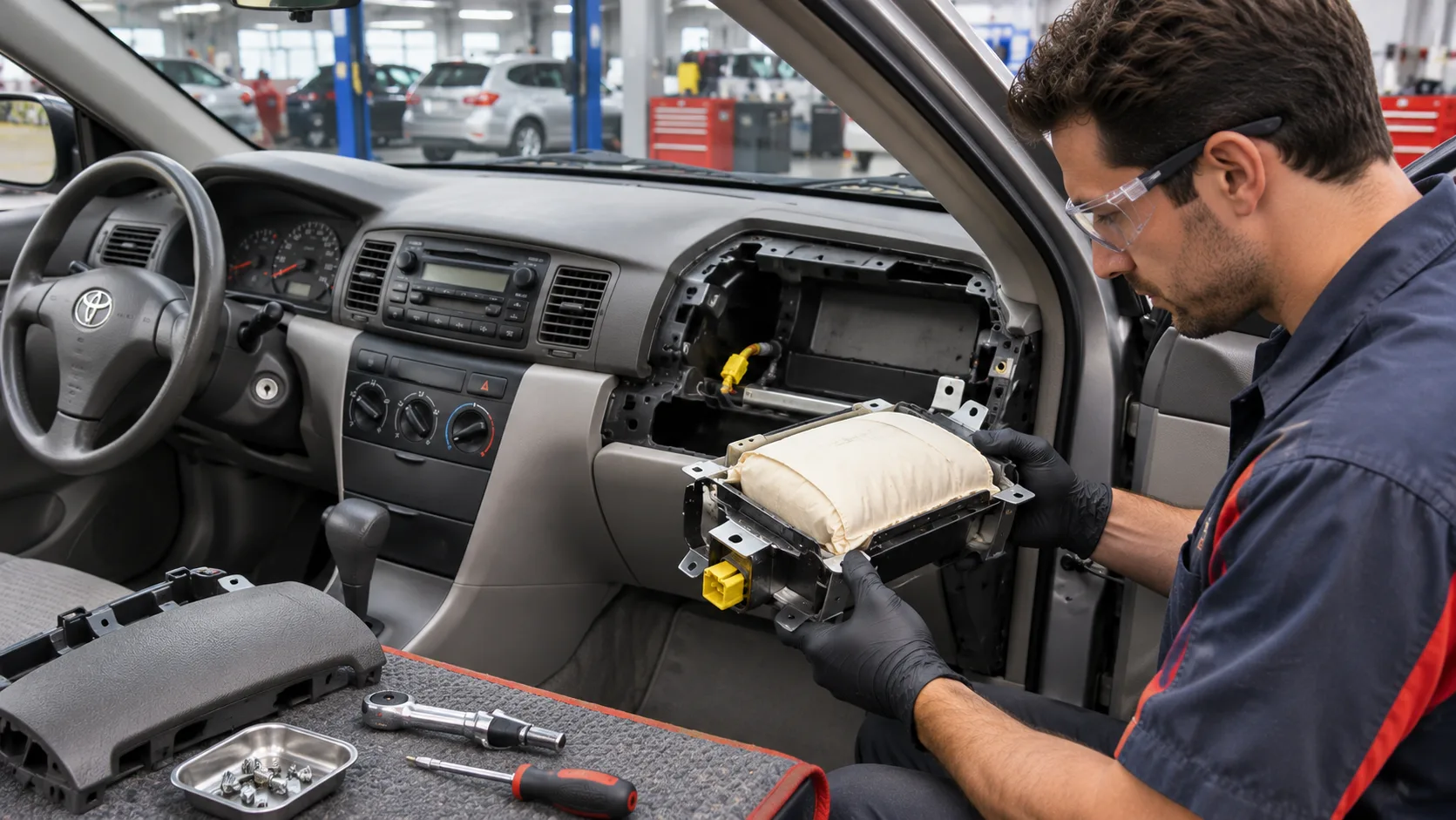
Toyota has confirmed that the necessary recall repair will be provided free
of charge.
Owners of affected vehicles will be asked to return their vehicles to an
authorized Toyota or Lexus dealership.
According to the manufacturer's recall documentation, the specific repair
will depend on the vehicle model:
·
Dealers will replace the front passenger airbag
inflator.
·
Alternatively, dealers will replace the complete
front passenger airbag assembly.
The appropriate repair will be determined by the vehicle's specific
configuration.
The NHTSA filing identifies TK Holdings Inc., known as Takata, as the
supplier of the affected inflators.
Toyota and Lexus owners will not have to pay for the required recall repair.
Source: NHTSA Recall
Acknowledgment Letter – Campaign 26V748.
When Will Toyota Notify Affected Vehicle Owners?
Toyota announced the recall on November 12, 2026.
Its public announcement states that owners of involved vehicles will be
notified by mid-January 2027.
The NHTSA acknowledgment letter dated November 18, 2026, provides a more
specific schedule. It states that owner notification letters are expected to
begin mailing on December 28, 2026.
Toyota's manufacturer-submitted recall report identifies the planned owner
notification period as December 28, 2026, through January 11, 2027.
These dates provide two levels of detail: Toyota's public statement gives a
broader expected timeframe, while the NHTSA filing and acknowledgment provide
the planned mailing schedule.
Toyota had already notified its distributors and dealers on November 12,
2026.
Owners should not wait for a notification letter if they believe their
vehicle may be involved. They can check its recall status through the official
lookup services.
Sources: Toyota
Official Announcement and NHTSA Recall
Acknowledgment Letter.
How Can Toyota and Lexus Owners Check Their Recall Status?
The most reliable way to determine whether a particular vehicle is included
is to check its Vehicle Identification Number (VIN).
Owners can use the following official services:
Toyota Recall Lookup
https://www.toyota.com/recall/
NHTSA Vehicle Recall Lookup
Toyota's announcement directs owners to its recall website or NHTSA's recall
lookup to check their vehicle information. The Toyota site also provides a
lookup option using vehicle or license plate information.
A vehicle's model year alone is not enough to confirm recall eligibility.
Even a Toyota Corolla within the listed model-year range may not have the
specific Takata inflator involved in this campaign.
For additional assistance, owners can contact the Toyota Brand Engagement
Center at 1-800-331-4331.
The NHTSA Vehicle Safety Hotline is also available at 1-888-327-4236.
Once the recall status is confirmed, owners should arrange the required free
repair through an authorized Toyota or Lexus dealership.
Why This Recall Matters for Older Toyota and Lexus Owners
The 2026 Takata airbag recall highlights why vehicle safety checks remain
important even for cars that continue to operate normally.
Airbags depend on components that remain hidden inside the vehicle for years
and may only be required to function during an emergency.
In this case, the concern involves the long-term condition of a passenger
airbag inflator. Its potential deterioration can depend on its age and
environmental exposure rather than the vehicle's everyday driving performance.
For buyers considering a used Toyota Corolla, Tundra, 4Runner or Lexus model
within the affected ranges, checking the VIN before purchase is a sensible precaution.
The important point is that not every vehicle within the listed model-year
ranges is affected. Only vehicles identified within Toyota's specific recall
scope require the campaign repair.
Frequently Asked Questions
How many vehicles are included in Toyota's 2026 Takata airbag recall?
Toyota's recall covers 314,029 potentially involved vehicles in the United
States. The exact population is recorded in NHTSA campaign 26V748.
Which Toyota models are included?
The recall covers selected 2003–2008 Corolla, 2016–2017 4Runner, 2005–2006
Tundra and 2005–2007 Sequoia vehicles.
Which Lexus models are included?
Selected 2002–2010 SC430, 2011 IS250 and 2017 GX460 vehicles are included.
What causes the Takata inflator to rupture?
Prolonged exposure to high absolute humidity, high temperatures and repeated
high-temperature cycling may cause the PSAN propellant to degrade, potentially
resulting in inflator rupture during airbag deployment.
Is Toyota replacing the affected airbags for free?
Yes. Authorized Toyota and Lexus dealerships will replace the affected
passenger airbag inflator or complete airbag assembly, depending on the
vehicle, at no cost to owners.
What is the NHTSA recall number?
The official NHTSA campaign number is 26V748.
Does every Toyota Corolla from 2003 to 2008 have this issue?
No. Only vehicles equipped with the specific Takata front passenger airbag
inflators identified in Toyota's recall filing are included. Owners should
check their VIN.
When will Toyota send recall notification letters?
The NHTSA acknowledgment identifies December 28, 2026, as the planned start
of owner notification mailings. The planned notification period runs through
January 11, 2027. Toyota's public announcement says owners will be notified by
mid-January 2027.
What does the 1% figure in the NHTSA recall report mean?
It is not a confirmed defect rate. Toyota stated that the actual percentage
of vehicles containing the defect was unknown and that 1 was entered because
the reporting portal requires an integer.
Can owners check the recall online?
Yes. Owners can use Toyota's official recall lookup or the NHTSA recall
website to check their vehicle information.
Final Thoughts
Toyota's November 2026 Takata airbag recall involves 314,029 potentially
involved vehicles across seven Toyota and Lexus model groups in the United
States.
Toyota reported no measurable propellant degradation during its analysis and
no field ruptures involving the specific subject inflators. However, the
manufacturer's Safe Service Life assessment identified a potential future
safety concern that led to a voluntary recall.
For owners, the most important step is to check the vehicle identification
number rather than rely solely on the model year. Vehicles confirmed as
involved will receive the required passenger airbag repair free of charge
through authorized Toyota and Lexus dealerships.
As owner notifications are scheduled to begin in late December 2026,
affected vehicle owners should monitor official Toyota and NHTSA recall
information for updates.
Official Sources and References
1. Toyota
USA Newsroom – Toyota Recalls Front Passenger Airbags in Certain Vehicles,
November 12, 2026
2. NHTSA –
Part 573 Safety Recall Report, Campaign 26V748
3. NHTSA –
Recall Acknowledgment Letter, November 18, 2026
4. Toyota – Official Vehicle Recall Lookup
5. NHTSA – Official Vehicle Recall Search
Editorial note: This article is based on Toyota's official announcement
and its manufacturer-submitted NHTSA safety recall documents. The 314,029
figure represents potentially involved vehicles, not confirmed defective
inflators. The six planned images are editorial illustrations and should not be
represented as actual Toyota testing or dealership photographs.
Have thoughts, dyno data, or build feedback?
Join automotive enthusiasts in the paddock below to debate engineering, lap times, and modifications.
Community Pulse
How does this machine make you feel? Drop your reaction!

VehicleDrugs Editorial
VehicleDrugs Editorial Team
A passionate collective of automotive purists, track drivers, and mechanical engineers uncovering high-octane engineering breakthroughs worldwide.
🏁 Pit Crew Discussions
Drop your telemetry, debate the engineering, or talk track times with fellow petrolheads.
The Pit Lane is Quiet
Be the first driver to drop your opinion on this machine!