
Toyota Highlander EREV Unveiled: What to Expect Next
Toyota is shaking up its electrification strategy by introducing a fresh powertrain path for utility vehicles. The newly revealed Toyota Highlander...

HEAD-TO-HEAD MUSCLE CAR VS COMPARISON
Compare 0-60, peak horsepower, torque, and quarter-mile times across iconic builds.
Toyota is shaking up its electrification strategy by introducing a fresh powertrain path for utility vehicles. The newly revealed Toyota Highlander EREV points toward a future where range-extended electric propulsion takes center stage in overseas markets. Joint venture GAC Toyota pulled the wraps off this substantial SUV in China, sparking immediate questions about how extended-range tech will influence future American utility models.
Understanding the Toyota Highlander EREV Strategy
Look, the automotive industry moves fast, but Toyota has historically preferred a slow-and-steady hybrid approach. That's changing now. An extended-range electric vehicle, or EREV, uses an internal combustion engine strictly as a generator to feed the battery pack rather than directly turning the wheels. Drivers get the instant torque and smooth power delivery of an EV without the constant range anxiety of a pure battery setup.
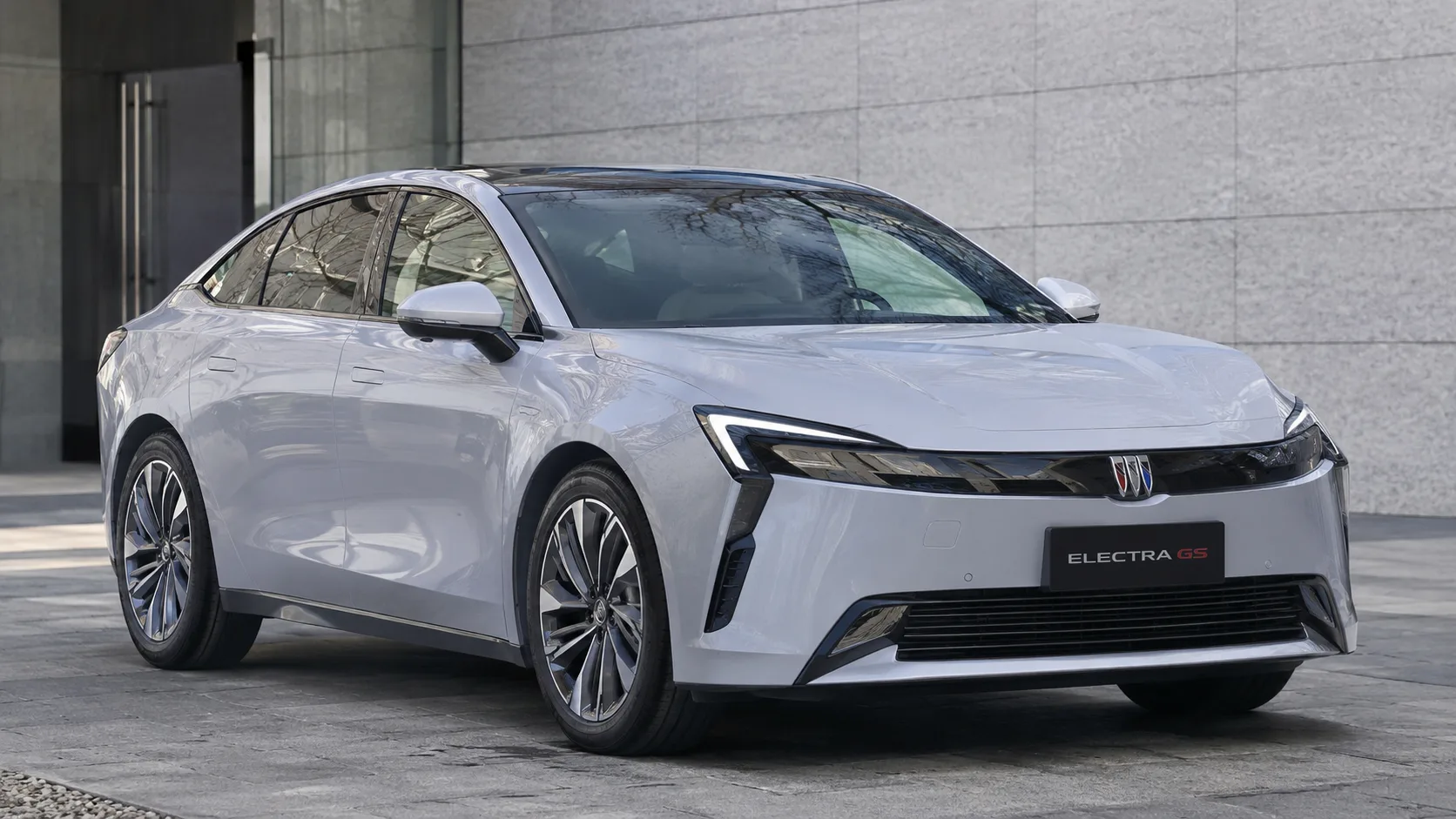
Even so, the styling remains instantly recognizable. It adopts the familiar proportions and stance of the standard Highlander currently sitting in dealer showrooms. Every vent and strake serves a practical aerodynamic purpose, keeping battery cooling and cabin quietness at peak efficiency levels.
Powertrain Tech and Battery Realities
Toyota's joint venture highlights a fifth electrified powertrain option for the Chinese market. Still, US buyers shouldn't expect an immediate appearance on local dealership lots. Toyota has a separate, fully electric Highlander slated to target North American buyers using a different platform architecture altogether.
On paper, the EREV layout solves a major consumer hurdle. It allows shorter daily commutes on pure electricity while utilizing gasoline for long-distance road trips. That's a massive selling point for families who aren't ready to map out public DC fast chargers across interstate highways.
How It Compares to Traditional Hybrids
Traditional hybrids blend gas and electric power seamlessly at all speeds. EREVs function differently by prioritizing electric propulsion first, relying on the onboard engine only when the state of charge drops low. That distinction changes how the vehicle drives in city traffic and highway cruising.
- Gas engine acts only as a generator
- Electric motors drive the wheels directly
- Larger battery capacity than standard hybrids
- Eliminates plug-in dependency for long trips
Market Availability and Pricing Outlook
GAC Toyota plans to build this specific range-extended utility vehicle in China for local consumers. US shoppers will instead see the dedicated battery-electric Highlander variant arriving down the road. Pricing details for the Chinese EREV model remain unconfirmed, but market analysts expect it to bridge the gap between conventional hybrids and premium pure EVs.
Here is how the reported specifications line up against standard hybrid alternatives based on available manufacturer data:
| Specification | Toyota Highlander EREV (China) | Standard Highlander Hybrid (US) |
|---|---|---|
| Primary Propulsion | Electric Motors | Gas Engine + Electric Assist |
| Engine Role | Onboard Generator | Direct Wheel Drive |
| Target Market | China | Global / North America |
| Electrification Tier | Range-Extended EV | Conventional Hybrid |
Ultimately, Toyota's willingness to experiment with range-extended technology shows that no single powertrain solution will dominate everywhere. Watch for production timelines to solidify as the brand rolls out its next wave of global utility vehicles.
Have thoughts, dyno data, or build feedback?
Join automotive enthusiasts in the paddock below to debate engineering, lap times, and modifications.
Community Pulse
How does this machine make you feel? Drop your reaction!

VehicleDrugs Editorial
VehicleDrugs Editorial Team
A passionate collective of automotive purists, track drivers, and mechanical engineers uncovering high-octane engineering breakthroughs worldwide.
🏁 Pit Crew Discussions
Drop your telemetry, debate the engineering, or talk track times with fellow petrolheads.
The Pit Lane is Quiet
Be the first driver to drop your opinion on this machine!