
Stellantis Brampton Plant Sale: Canada Fights to Save Historic Mopar Factory
Stellantis plans to sell its historic Brampton plant to Roshel, but Canada's $529 million funding dispute and 2,200 affected workers have put the deal under pressure.
HEAD-TO-HEAD MUSCLE CAR VS COMPARISON
Compare 0-60, peak horsepower, torque, and quarter-mile times across iconic builds.
Stellantis Brampton Plant Sale: Canada Fights to Save Historic Mopar
Factory as Roshel Deal Faces Major Challenges
The future of one of Canada's most recognizable automotive manufacturing
facilities is becoming the center of a major dispute between Stellantis, the
Canadian government, Ontario officials and the country's largest private-sector
union.
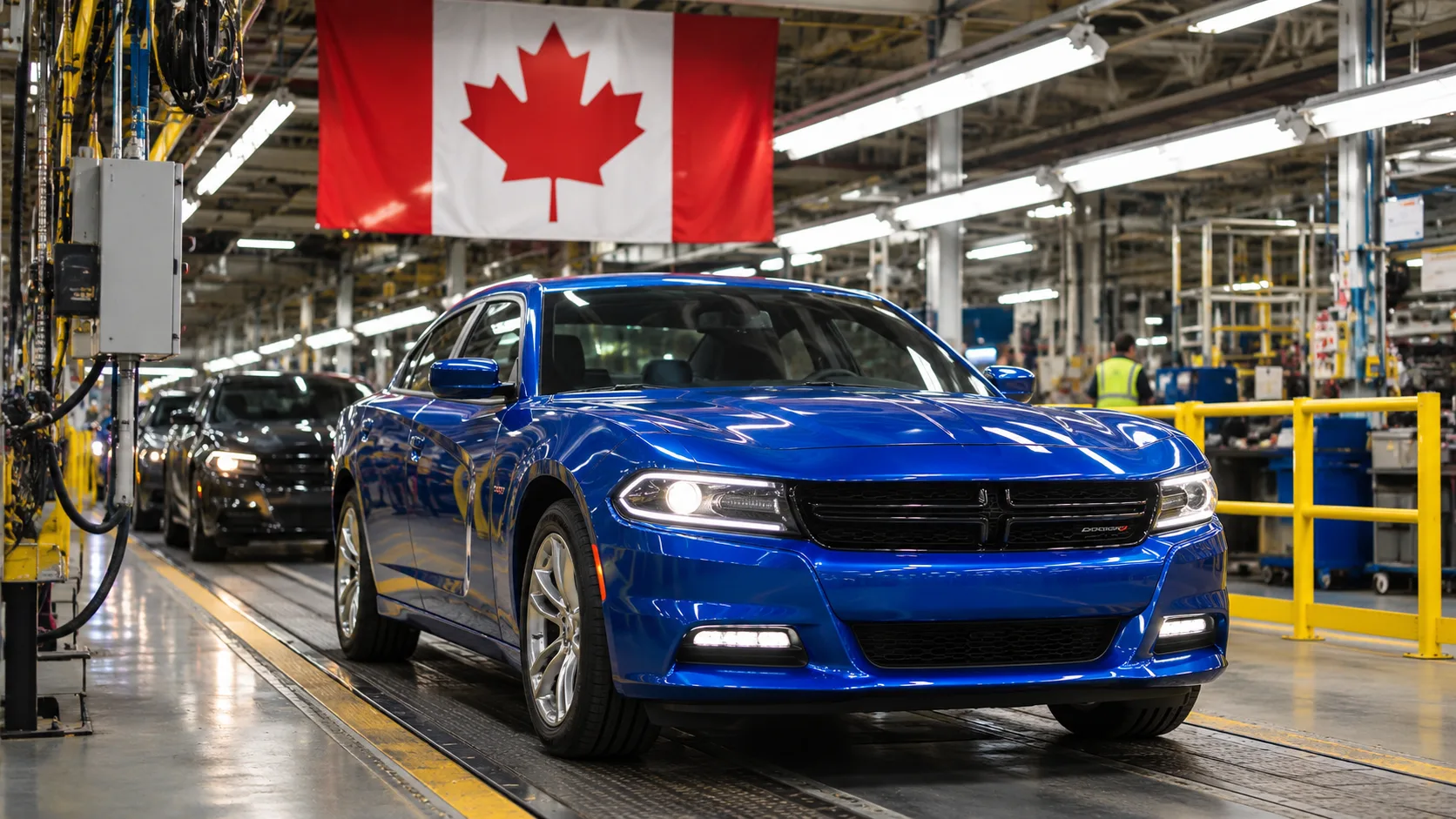
Stellantis has signed an agreement to sell its Brampton Assembly Plant in
Ontario to Canadian defence manufacturer Roshel, potentially ending the
facility's long history of producing vehicles for Dodge and Chrysler. However,
the proposed transaction has triggered a growing funding dispute with Ottawa,
renewed pressure from the provincial government and serious concerns about the
future of approximately 2,200 laid-off automotive workers.
The controversy is particularly significant because Brampton was once
responsible for building some of the most recognizable modern Mopar vehicles,
including the Dodge Charger, Dodge Challenger and Chrysler 300.
The latest development came on November 20, 2026, when Stellantis executives
met with Canadian federal and provincial officials and Unifor representatives
to discuss the factory's future. Ontario Premier Doug Ford described the
meeting as challenging but productive, although no final agreement to reverse
the sale was announced.
At the center of the dispute are three major questions: Will Stellantis
complete the sale to Roshel? Can the Canadian government recover the public
funding committed to the company's manufacturing operations? And what will
happen to the workers who have been waiting for the Brampton facility to resume
production?
As of November 22, 2026, the future of the factory remains unresolved.
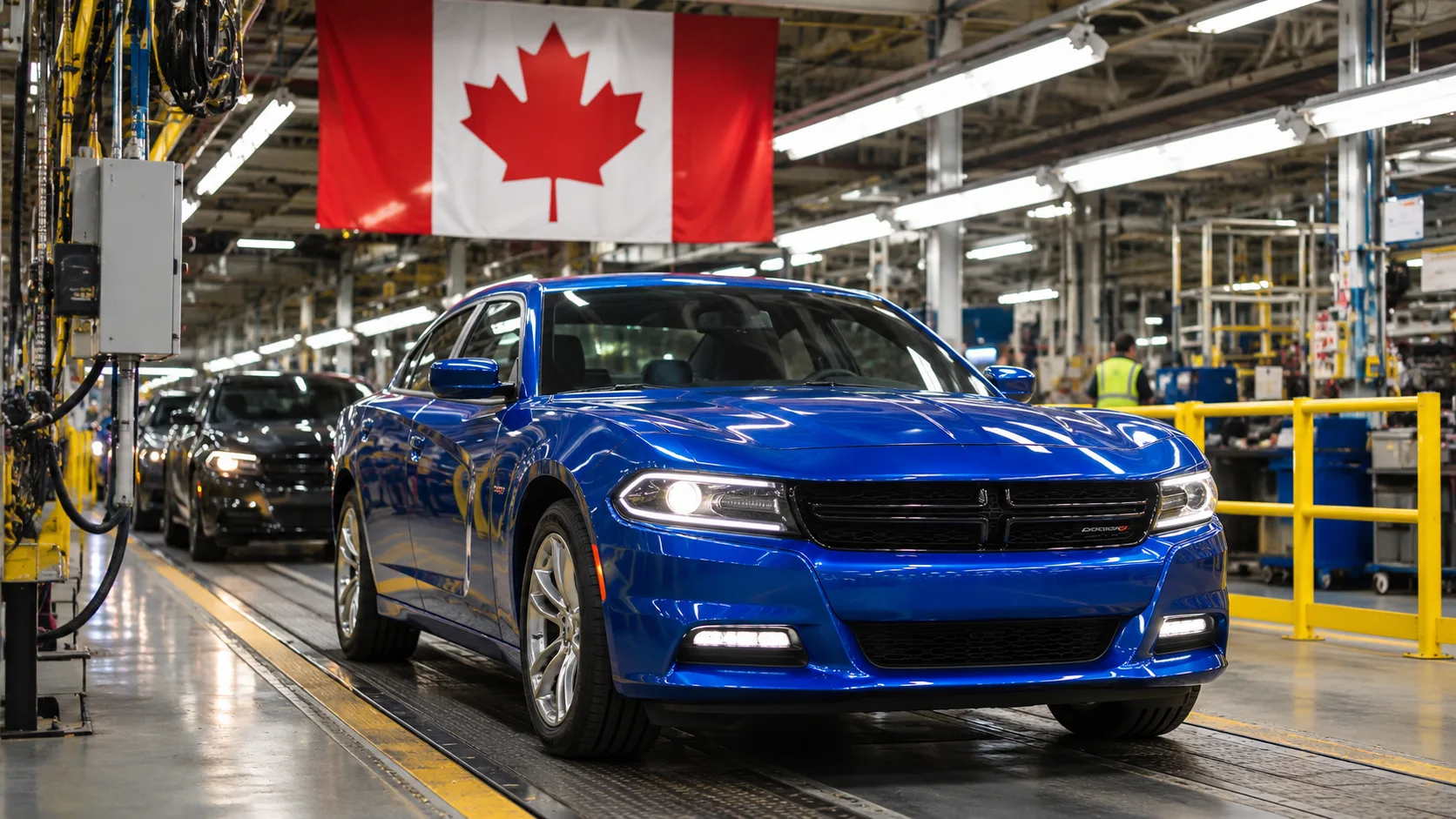
Brampton Assembly Plant: A Major Part of Mopar History
Located in Brampton, Ontario, the Brampton Assembly Plant has played an
important role in North American automotive manufacturing for decades.
The facility was built in 1986 and became an important production location
for Chrysler and later Fiat Chrysler Automobiles (FCA), which eventually became
part of Stellantis.
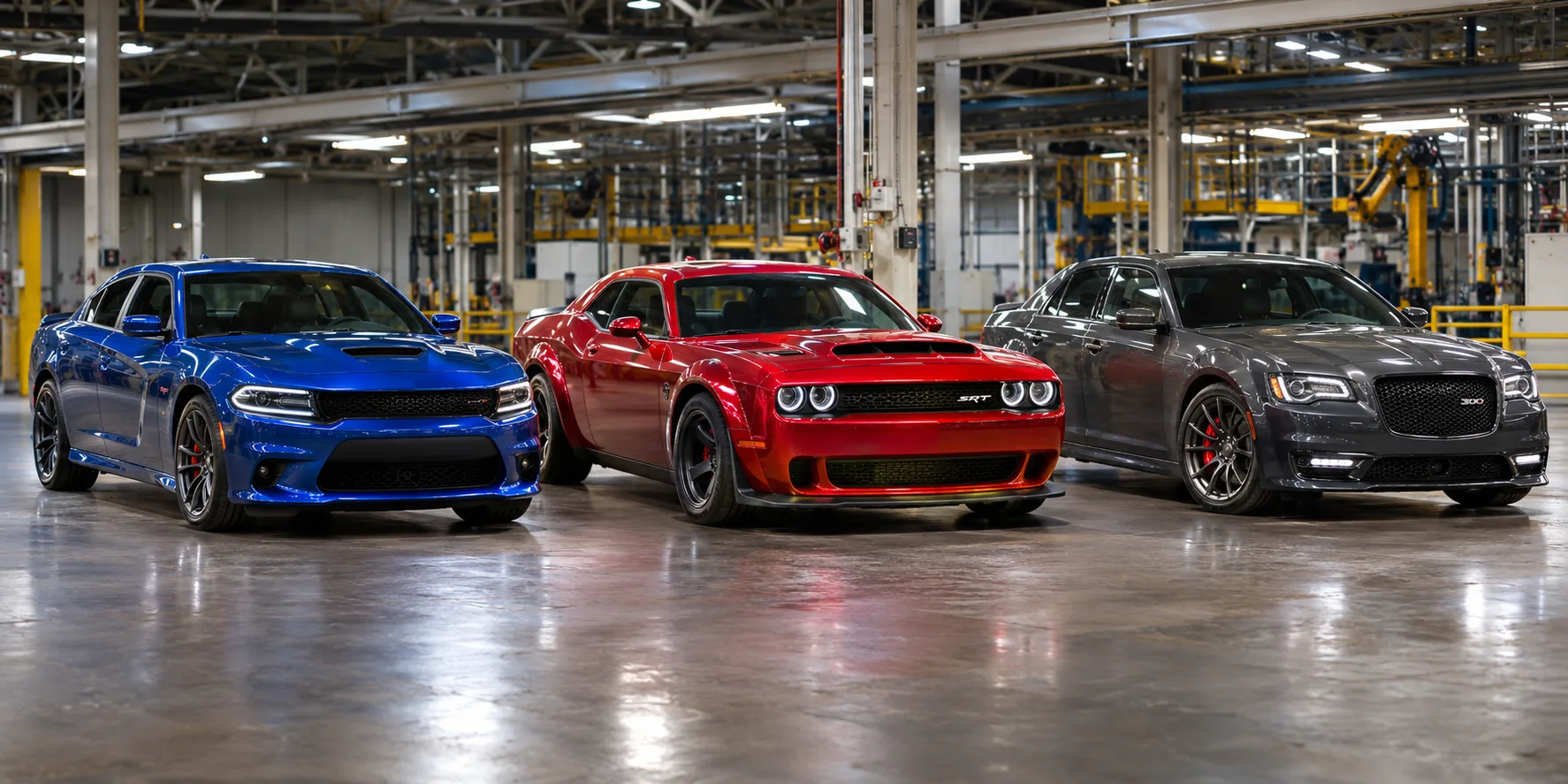
For American muscle car enthusiasts, Brampton is particularly important
because it produced several well-known performance and luxury vehicles.
These included:
·
Dodge Charger
·
Dodge Challenger
·
Chrysler 300
·
Chrysler 300C
·
Dodge Challenger SRT performance models
The plant became especially recognizable during the modern muscle car era,
when Dodge brought back the Charger in 2005 and later introduced the modern
Challenger.
In 2022, Stellantis highlighted the plant's production history while
promoting the final generation of the Charger and Challenger. The company
stated that Brampton had built approximately three million Dodge vehicles since
the modern Charger was introduced.
The facility also produced the final examples of several important
performance models, including the 2018 Dodge Challenger SRT Demon.
One of the most memorable moments in the factory's history came in December
2023, when the final Chrysler 300C rolled off the assembly line.
According to Stellantis, the final Velvet Red 2023 Chrysler 300C completed
production at Brampton on December 8, 2023. The automaker also confirmed that
Chrysler 300 production would end no later than December 31, 2023.
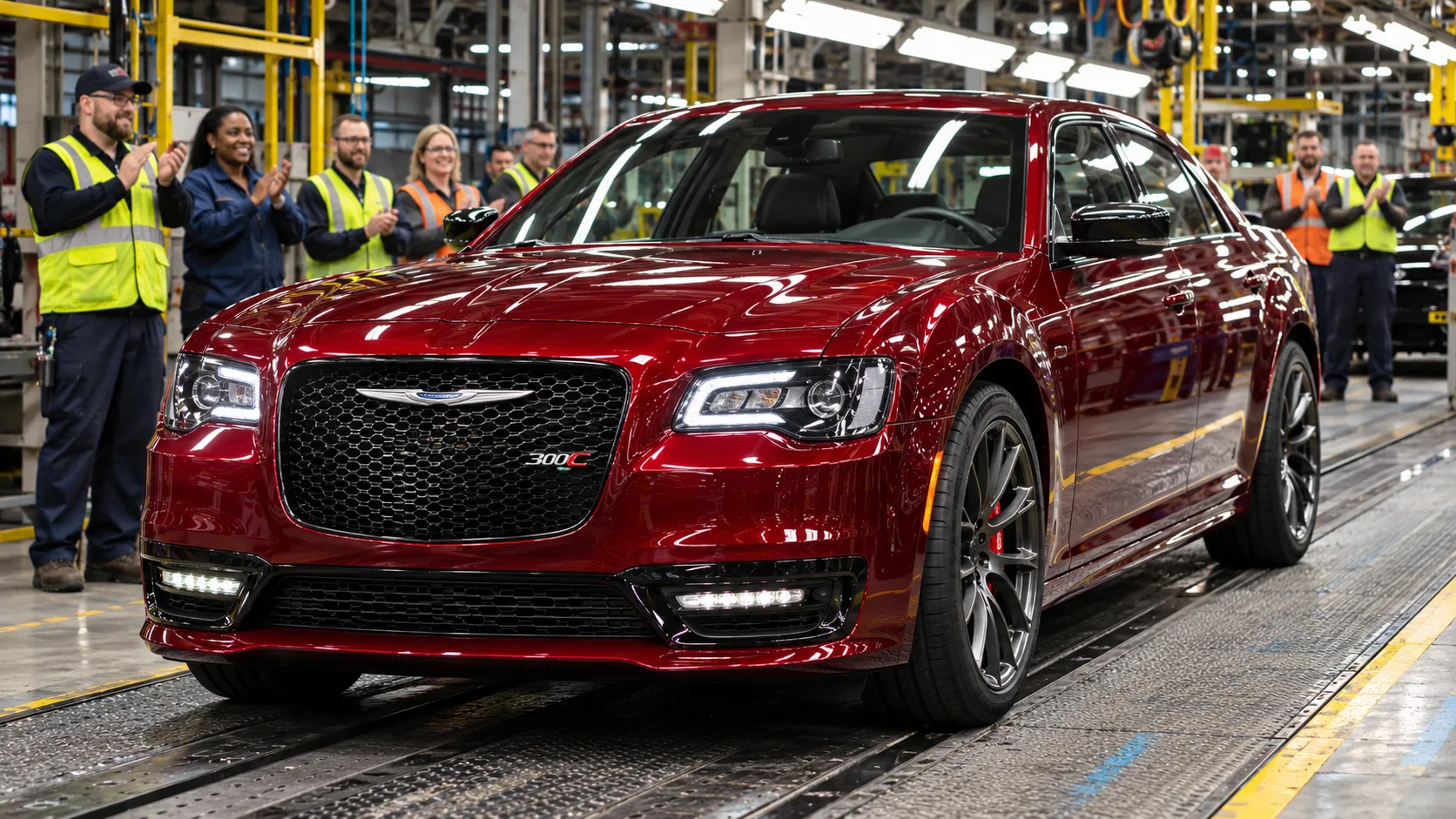
The final 300C featured a 6.4-liter HEMI V8 producing 485 horsepower and 475
lb-ft of torque, making it a fitting farewell to the model's performance
heritage.
For Mopar enthusiasts, that final production event marked the end of an
important chapter in Canadian-built American performance cars.
Official historical references:
·
Stellantis: Brampton
Builds Three Million Dodge Vehicles
·
Stellantis: The
Final 2023 Chrysler 300C Leaves Brampton
Why Did Brampton Assembly Stop Producing Vehicles?
The current dispute did not begin with the Roshel agreement. It developed
after Stellantis halted vehicle production at Brampton and subsequently changed
its plans for the facility.
In December 2023, the factory was idled as Stellantis prepared to retool the
facility for the next-generation Jeep Compass.
The original plan was significant because it was intended to bring a new
vehicle program and electrified-vehicle manufacturing capabilities to the
Ontario facility.
Stellantis announced that Brampton would be modernized to support a flexible
architecture as part of its wider electrification strategy.
In May 2022, the company announced a planned C$3.6 billion investment in its
Canadian operations, including the Windsor and Brampton assembly facilities and
its Automotive Research and Development Centre.
Under the original plan, Brampton retooling was expected to begin in 2024,
with production expected to resume in 2025.
However, the project did not proceed as originally planned.
In February 2025, Stellantis temporarily paused ongoing retooling work at
Brampton. Later, on October 14, 2025, the company announced plans to reopen its
Belvidere Assembly Plant in Illinois, with production of two Jeep vehicles,
including the Jeep Compass originally intended for Brampton.
This decision changed the future of the Ontario facility.
Instead of returning to vehicle production as originally planned, Brampton
was left without its anticipated Jeep manufacturing program.
Unifor, the union representing Brampton workers, says more than 2,200 Local
1285 members have remained on layoff since the plant was idled in December
2023.
Sources:
·
Stellantis
– 2022 Canadian Manufacturing Investment
·
Unifor
– Brampton Assembly Plant Status
·
Government
of Canada – Stellantis Funding Background
The C$529 Million Government Funding Dispute
One of the biggest reasons the Brampton situation has attracted national
attention is the amount of public funding involved in Stellantis' Canadian
manufacturing plans.
In May 2022, the Government of Canada announced up to C$529 million in
federal support through its Strategic Response Fund to help Stellantis
transition its Brampton and Windsor facilities toward electrified vehicle
production.
The project was part of a wider C$3.6 billion investment announced by
Stellantis for its Canadian operations.
The Government of Ontario also committed up to C$513 million in provincial
support.
These commitments were intended to help modernize Canadian manufacturing
facilities, support electrification and strengthen the country's automotive
industry.
However, the funding figures require an important distinction.
The C$529 million federal commitment and C$513 million Ontario commitment
covered the wider Brampton and Windsor project. They were not amounts allocated
exclusively to the Brampton facility.
According to the Government of Canada's published funding information, a
total of C$222,358,464 had been disbursed for the combined project through the
2024–25 reporting period.
The breakdown was:
|
Financial year |
Federal funding
disbursed |
|
2022–23 |
C$18,629,124 |
|
2023–24 |
C$85,936,055 |
|
2024–25 |
C$117,793,285 |
|
Total |
C$222,358,464 |
These figures represent payments for the combined Brampton and Windsor
project, not the amount received by Brampton alone.
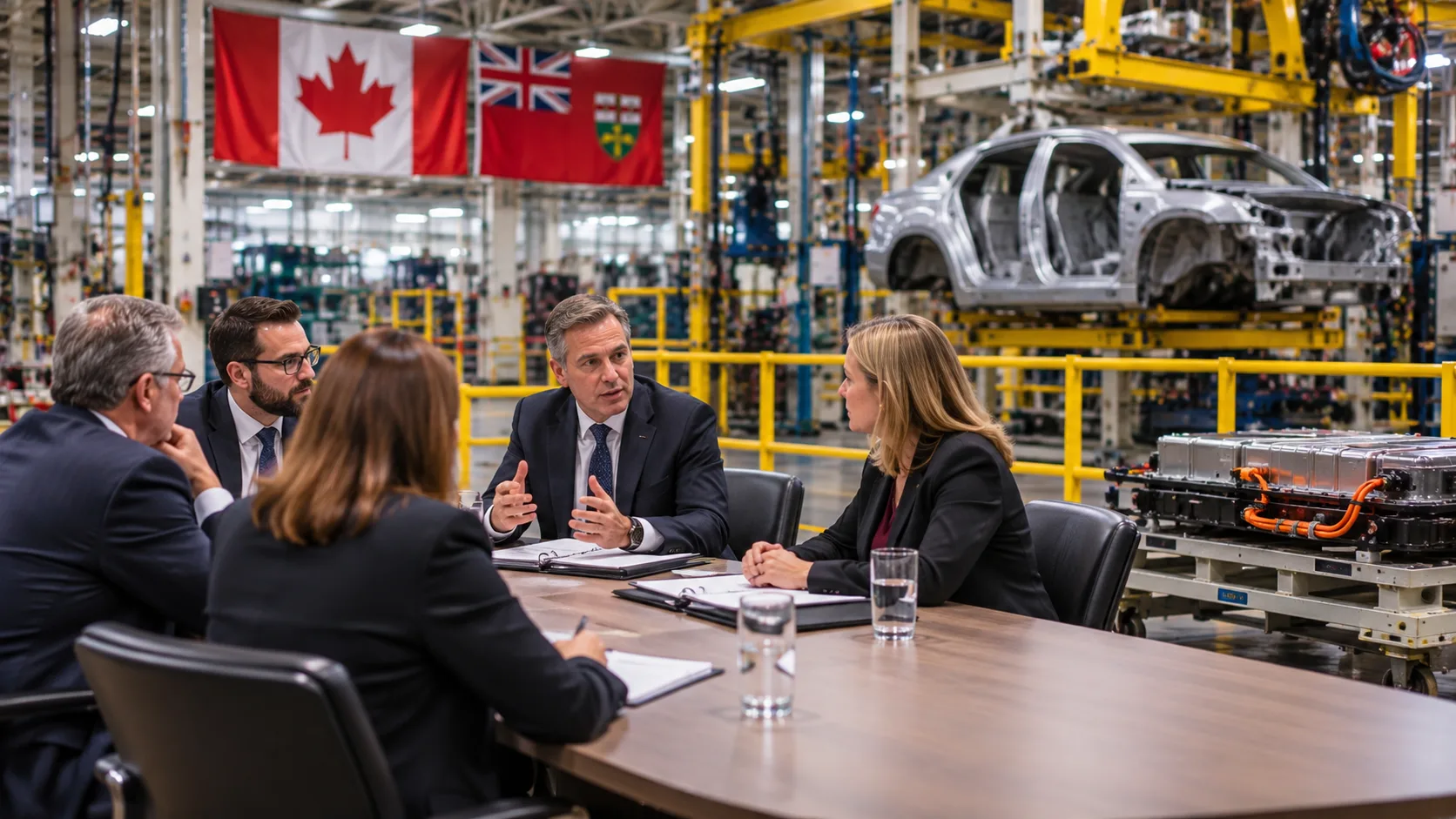
The distinction has become especially important because Ottawa is now
questioning whether Stellantis has fulfilled the commitments associated with
the funding agreement.
Official source: Government
of Canada – Question Period Note: Support Provided to Stellantis.
Why Is Canada Threatening Legal Action Against Stellantis?
The Canadian government argues that Stellantis' decision to relocate the
Jeep Compass program and pursue the sale of Brampton raises serious questions
about its obligations under the 2022 funding agreement.
On November 12, 2026, federal Industry Minister Mélanie Joly confirmed that
Ottawa had issued Stellantis a notice of default under the federal funding
agreement.
The government's position is that Stellantis breached its obligations by:
·
Halting the planned Jeep Compass production at
Brampton.
·
Failing or refusing to identify a replacement
vehicle program.
·
Failing to maintain production at the facility.
·
Closing the plant.
The notice gave Stellantis 30 days to demonstrate that it would correct the
conditions identified by the government.
If the company failed to resolve the alleged breaches, possible consequences
could include termination of the funding agreement and repayment of all or part
of the funding received, potentially with interest.
The government also indicated that it could raise additional concerns
relating to the planned Roshel transaction.
This is an important distinction: the notice of default represents the
government's position under the funding agreement. It is not a final court
judgment establishing liability.
Ottawa's position is that public funding was provided in exchange for
manufacturing commitments that Stellantis must honour.
The dispute has therefore become about more than simply who owns the
Brampton property. It also concerns whether a company can retain public support
after substantially changing the manufacturing plans that justified the
original investment.
Official government background: Government
of Canada – Stellantis Support and Funding Commitments.
Stellantis Signs Agreement to Sell Brampton Plant to Roshel
On November 9, 2026, Stellantis officially announced that it had signed an
Asset Purchase Agreement with Roshel, a Canadian defence technology company
headquartered in Brampton.
Under the agreement, Roshel is set to acquire the Brampton Assembly Plant
and its associated equipment from Stellantis.
The purchase price was not disclosed.
The announcement also introduced a proposed strategic cooperation framework
between the two companies.
Rather than simply taking over an unused building, Roshel intends to develop
the property into a new Centre of Excellence for advanced manufacturing.
According to Roshel founder and CEO Roman Shimonov, the plan is intended to
support Canadian manufacturers, serve domestic customers and increase exports
to allied markets.
Stellantis CEO Antonio Filosa also described the agreement as part of the
company's broader manufacturing strategy.
He said the transaction would create a path to return the Brampton facility
to productive industrial use while allowing Stellantis to explore future
business opportunities in the defence industry.
The agreement is aligned with Stellantis' FaSTLane 2030 strategy, which
includes a goal of approximately 80% manufacturing capacity utilization across
North America by 2030.
However, signing an Asset Purchase Agreement does not mean the ownership
transfer has already been completed.
Stellantis stated that the transaction was expected to close by the end of
2026, subject to closing conditions, including applicable government and
regulatory requirements.
As of November 22, 2026, the transaction remained pending completion.
Official source: Stellantis
and Roshel Sign Agreement for Sale of Brampton Assembly Plant – November 9,
2026.
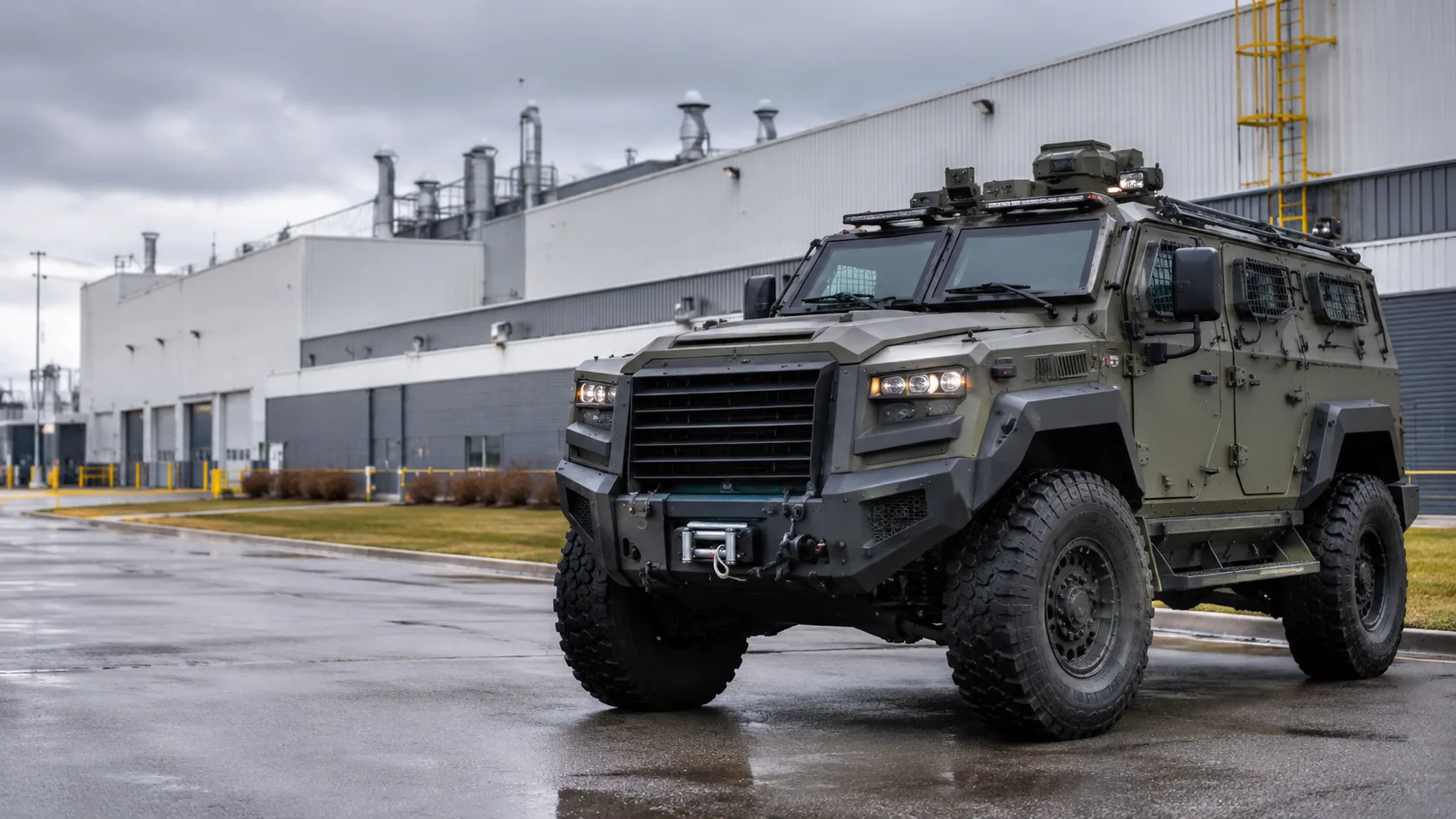
Who Is Roshel and What Does the Company Manufacture?
Roshel is not a traditional passenger-car manufacturer.
It is a Canadian defence technology company based in Brampton, Ontario,
specializing in the design, engineering and manufacturing of protected mobility
vehicles.
According to Stellantis' November 9 announcement, Roshel has deployed more
than 2,500 vehicles to Ukraine and has developed a growing international
presence.
Its manufacturing capabilities include:
·
Ballistic steel processing.
·
Transparent armour production.
·
Armoured capsule engineering.
·
Drivetrain integration.
·
Mission-system installation.
The company also identifies several types of protected vehicles within its
product capabilities, including mine-resistant ambush-protected vehicles
(MRAPs), armoured personnel carriers (APCs), medical evacuation vehicles,
recovery vehicles and counter-drone configurations.
Its proposed Brampton Centre of Excellence would therefore represent a
significant change in the type of industrial activity taking place at the site.
The facility was historically used for high-volume passenger vehicle
assembly. Roshel's plans focus on advanced manufacturing and protected mobility
products.
There may also be opportunities to explore civilian vehicle production.
Reuters reported on November 10 that Roshel's CEO was in discussions with
several automakers about the possibility of manufacturing civilian vehicles at
the facility.
However, those discussions should not be confused with a confirmed
passenger-car production agreement.
Neither Stellantis nor Roshel has announced a specific new civilian vehicle
program for Brampton.
Could Roshel Bring Back Thousands of Automotive Jobs?
Employment is one of the most important issues surrounding the proposed
transaction.
More than 2,200 Unifor Local 1285 members have been on layoff since Brampton
was idled in December 2023.
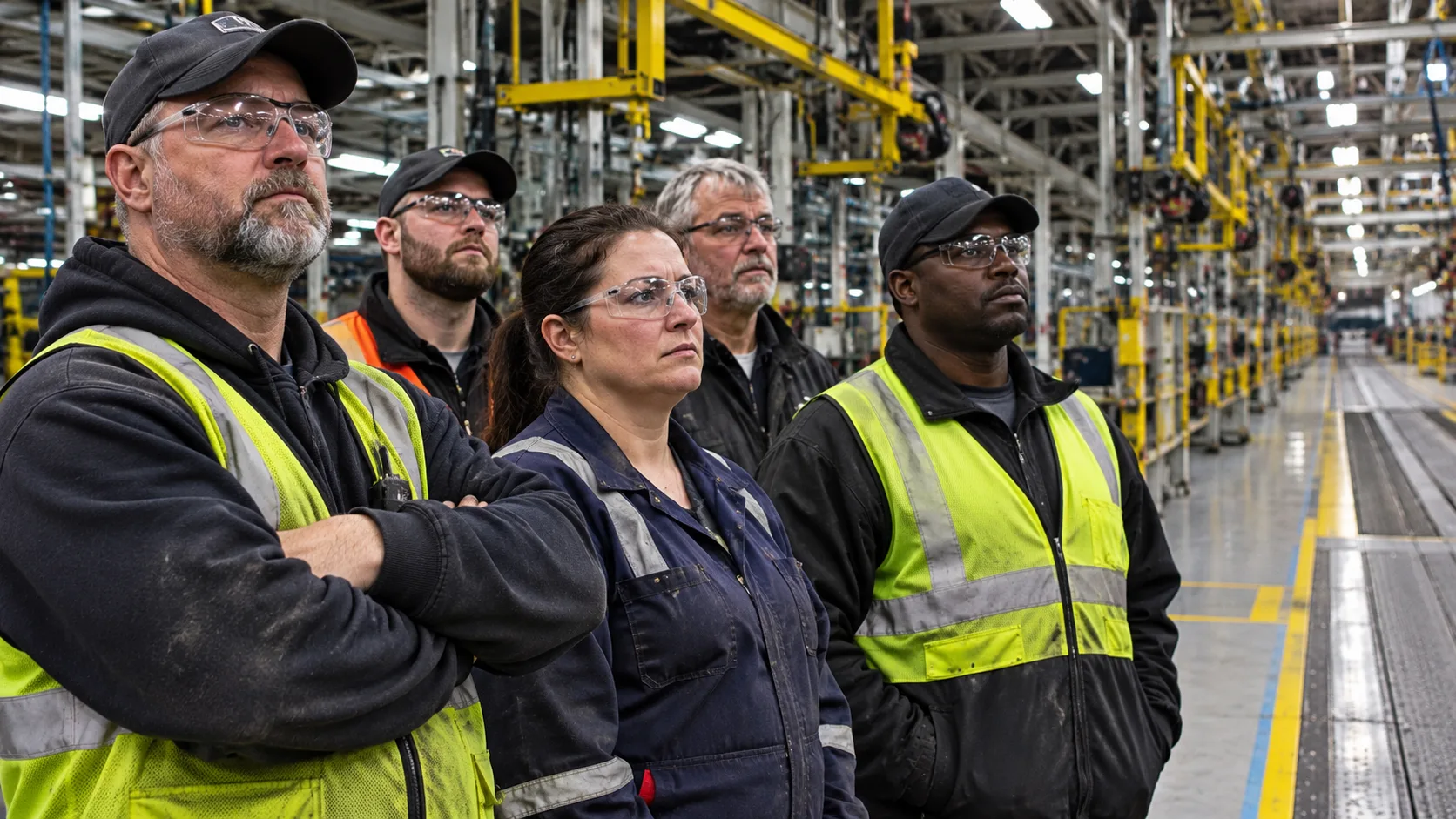
Stellantis says it recognizes its obligations to employees under the
collective agreement and applicable laws. The company has also stated that it
remains prepared to negotiate a settlement with Unifor to assist
union-represented employees.
The proposed Roshel transaction has raised questions about whether the new
owner could provide meaningful employment opportunities for those workers.
Stellantis and Roshel's November 9 announcement discusses the potential for
manufacturing jobs and industrial growth but does not guarantee a specific
number of jobs for former Brampton employees.
Separate reporting following the agreement indicated that Roshel had
discussed opportunities for approximately 700 to 1,000 laid-off workers to
return to employment.
That figure should be treated as a reported potential opportunity, not a
guaranteed hiring commitment.
There are also important differences between traditional automotive assembly
employment and defence manufacturing.
The two sectors can share engineering, machining, fabrication and
manufacturing skills, but their production volumes, employment structures and
customer requirements are different.
A new advanced manufacturing facility could create valuable employment opportunities.
However, the number of positions, wages, hiring priorities and union
arrangements will depend on the final business and employment plans.
For the workers who have spent years waiting for a decision, the key
question is not simply whether the building will reopen. It is whether the new
operation will provide stable, well-paid employment on a scale that
meaningfully addresses the existing layoffs.
Union perspective: Unifor
– Sale of Brampton Assembly Plant.
C$24 Million vs. Hundreds of Millions: How Much Could Stellantis Have to
Repay?
The financial dispute became even more serious after Stellantis indicated
that it was prepared to repay approximately C$24 million in federal support
associated with the Brampton retooling project.
The company's stated position has become a major point of disagreement with
Ottawa.
Federal Industry Minister Mélanie Joly has argued that the company's
potential repayment obligations could be worth hundreds of millions of dollars
if it proceeds with the sale and remains in breach of the funding agreement.
The difference between the two positions is substantial.
|
Issue |
Amount or
position |
|
Federal funding commitment |
Up to C$529 million |
|
Ontario funding commitment |
Up to C$513 million |
|
Combined project investment |
C$3.6 billion |
|
Federal project disbursements through 2024–25 |
C$222.36 million |
|
Stellantis' indicated Brampton repayment position |
Approximately C$24 million |
|
Federal government's potential recovery position |
Hundreds of millions of dollars |
These figures should not be added together or interpreted as a final amount
owed by Stellantis.
The C$24 million figure relates to the company's stated position on the
Brampton project, while the C$222.36 million figure represents federal
disbursements for the combined Brampton and Windsor project.
The federal government is assessing its contractual rights under the funding
agreement, including possible repayment of all or part of the funding with
interest.
As of November 22, no final repayment settlement or court judgment resolving
the dispute had been announced.
The final financial outcome will depend on the agreement's terms, the
government's determination of compliance and any subsequent negotiations or
legal proceedings.
Why Does It Cost C$135 Million a Year to Keep Brampton Idle?
Another striking figure emerged following the November 20 meeting.
Ontario Premier Doug Ford said Stellantis had indicated that keeping the
Brampton facility open and maintained, without active vehicle production, costs
approximately C$135 million per year.
That estimate was attributed to information provided by Stellantis during
discussions.
The figure helps explain why the company may be reluctant to continue
operating an idle assembly plant indefinitely.
Even when a factory is not building vehicles, maintaining the property and
its industrial readiness can involve significant expenses.
These can include:
·
Building and equipment maintenance.
·
Security and site operations.
·
Utilities and infrastructure.
·
Preservation of manufacturing equipment.
·
Other ongoing facility-related costs.
However, the C$135 million figure should be understood as an estimate
attributed to Stellantis by Premier Ford, not an independently audited public
financial statement.
Ford also raised concerns about the wider costs of manufacturing in Canada,
including greenhouse-gas emissions-related expenses and the effect of changing
regulatory requirements.
The November 20 discussions therefore covered both the immediate financial
cost of maintaining Brampton and the broader competitiveness of Canadian
vehicle manufacturing.
What Happened at the November 20 Meeting?
The November 20 meeting was one of the most important recent developments in
the Brampton dispute.
Participants included federal Industry Minister Mélanie Joly, Ontario
Premier Doug Ford, Ontario Economic Development Minister Vic Fedeli, Unifor
National President Lana Payne and Stellantis representatives, including global
CEO Antonio Filosa, who participated virtually.
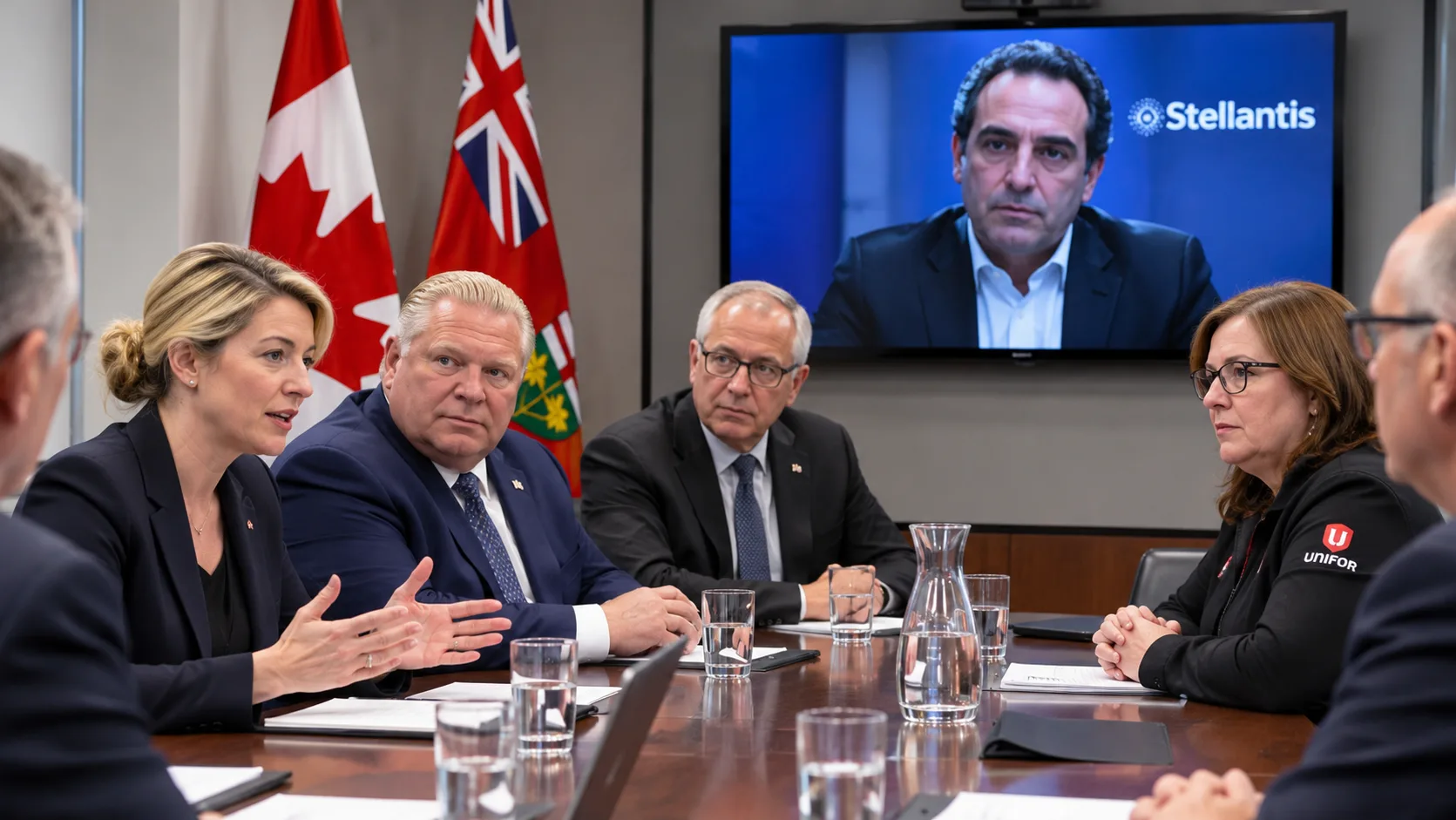
The purpose was to discuss the proposed Roshel sale, the future of the Brampton facility and the possibility of finding an alternative that would preserve manufacturing activity and protect workers.
Following the meeting, Premier Ford described the discussions as challenging
but productive.
He indicated that Stellantis had raised concerns about the cost of operating
in Canada, including the financial impact of emissions-related policies.
Ford said government representatives were looking at ways to address some of
these concerns and potentially give the company more time to consider its
options.
Federal Industry Minister Joly maintained that Stellantis needed to protect
workers and honour its commitments.
Unifor also continued to push for a different outcome that would preserve
automotive production and employment at the facility.
Roshel was not a participant in the November 20 discussions.
Most importantly, the meeting did not produce a publicly announced agreement
to cancel the sale.
The parties remained engaged in discussions, leaving the future of the
factory unresolved.
Is There Still a Chance to Save Brampton as an Automotive Factory?
Although the Asset Purchase Agreement has been signed, the possibility of a
different outcome had not completely disappeared as of November 22.
The Canadian government has been attempting to persuade Stellantis to
reconsider its plans, while Ontario officials have also been exploring ways to
improve the economics of retaining the facility.
The November 20 meeting demonstrated that discussions were continuing.
However, several obstacles remain.
First, Stellantis must consider the financial implications of continuing to
operate the facility without a confirmed vehicle program.
Second, the government and automaker must resolve their disagreement over
the original funding commitments.
Third, the parties need to address the future of the approximately 2,200
laid-off workers and their collective agreement.
Finally, any alternative plan would need to establish a commercially viable
future for the factory rather than simply delaying another closure decision.
The original Jeep Compass manufacturing plan has already moved to Illinois,
and no replacement Stellantis passenger vehicle program for Brampton has been
officially confirmed.
Consequently, keeping the factory open as an automotive assembly plant would
require a credible new production plan.
That is a much bigger challenge than simply preventing the Roshel
transaction from closing.
Does the Brampton Situation Affect the New Dodge Charger?
For Dodge enthusiasts, one important question is whether the situation in
Brampton could affect the future of the Charger.
The answer is that the proposed Brampton sale should not be confused with
the end of Dodge Charger production.
The next-generation Dodge Charger is built at Stellantis' Windsor Assembly
Plant in Ontario, not at Brampton.
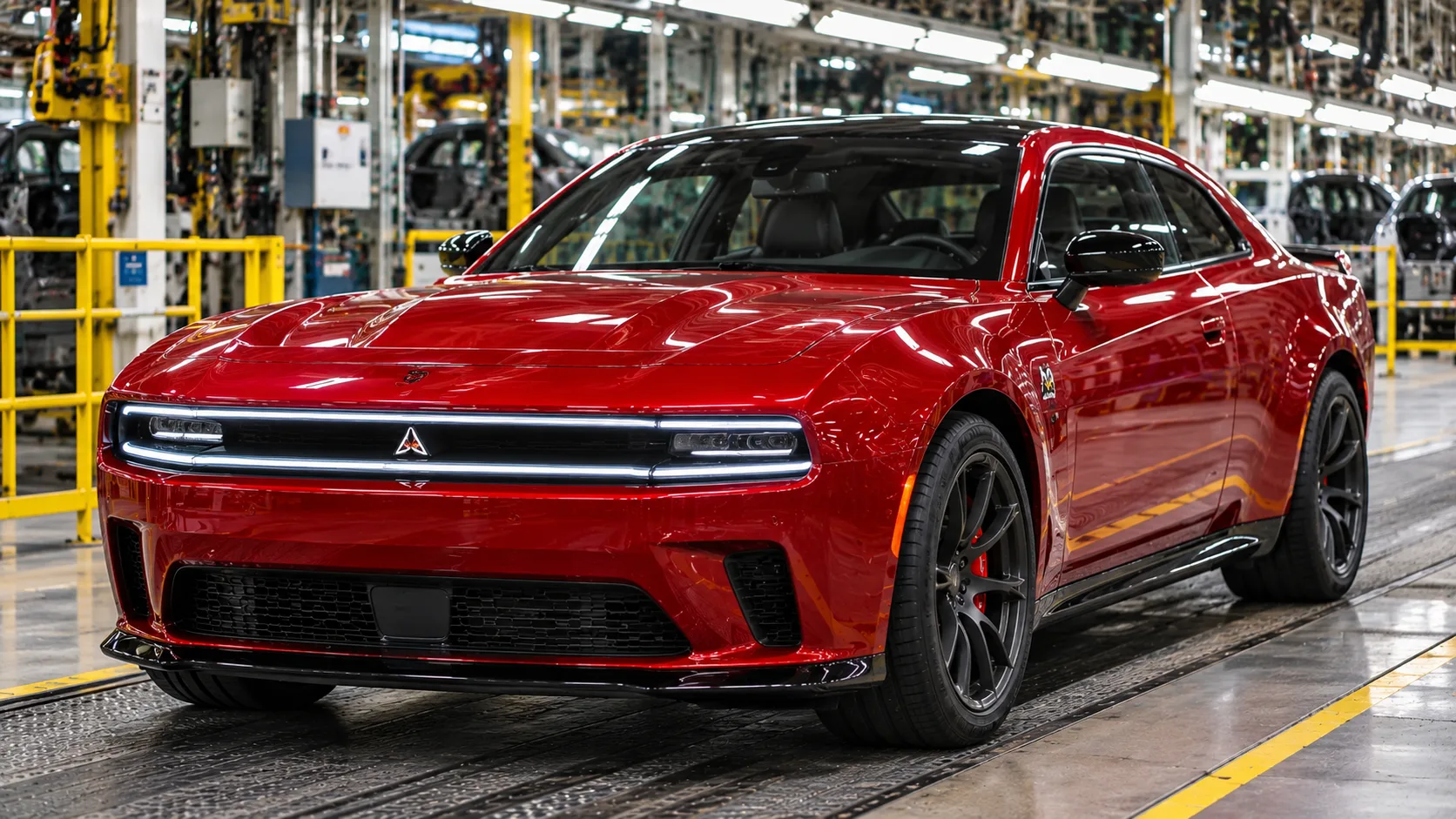
Stellantis has already confirmed that production of the new Charger Daytona
began at Windsor, with additional SIXPACK-powered Charger models following.
The Windsor facility received major manufacturing investments to support the
new Charger architecture.
Therefore, the Brampton dispute does not mean that the current Dodge Charger
production program is ending.
However, the situation still matters to Mopar enthusiasts because Brampton
played an important role in the history of the previous Charger and Challenger
generations.
The plant was also responsible for producing the final Chrysler 300C.
Its possible transition away from traditional passenger vehicle assembly
would mark another major change in the manufacturing history of modern American
muscle cars.
Official reference: Stellantis
– 2026 Dodge Charger Production at Windsor Assembly Plant.
What Happens Next? The Brampton Plant's Remaining Challenges
As of November 22, 2026, several important developments are still pending.
1. Completion of the Roshel transaction
Stellantis expects the Asset Purchase Agreement to close by the end of 2026,
subject to applicable government and regulatory conditions.
2. Resolution of the federal funding dispute
Ottawa has issued a notice of default and given Stellantis an opportunity to
address the identified issues. The final financial and legal outcome remains
unresolved.
3. Future employment arrangements
Stellantis and Unifor still need to address the employment consequences for
affected workers.
4. Roshel's manufacturing plans
Roshel has announced its intention to create an advanced manufacturing
centre, but a detailed, guaranteed employment and production plan for the
former Stellantis workforce has not been publicly established.
5. Canada's automotive manufacturing strategy
The Brampton situation has become part of a wider debate about how Canada
can retain vehicle assembly capacity, attract manufacturing investment and
protect skilled industrial jobs amid changing trade conditions.
Each of these developments could influence the final outcome.
Frequently Asked Questions
1. What is happening to the Stellantis Brampton Assembly Plant?
Stellantis signed an Asset Purchase Agreement on November 9, 2026, to sell
the idle Brampton Assembly Plant and associated equipment to Canadian defence
manufacturer Roshel. The transaction is expected to close by the end of 2026,
subject to government, regulatory and other closing conditions.
2. Why is Stellantis selling the Brampton factory?
The factory has remained idle after Stellantis relocated the planned Jeep
Compass production program to Illinois. The company has described the sale as
part of its wider manufacturing strategy and says the agreement provides a path
to return the facility to productive industrial use.
3. Which vehicles were built at Brampton Assembly?
The plant produced vehicles including the Dodge Charger, Dodge Challenger
and Chrysler 300. It also built performance models such as the Challenger SRT
Demon. The final Chrysler 300C rolled off the production line on December 8,
2023.
4. Who is buying the Brampton Assembly Plant?
Roshel, a Canadian defence technology company headquartered in Brampton,
Ontario, has signed an Asset Purchase Agreement to acquire the facility and its
associated equipment.
5. How much is Roshel paying for the factory?
Stellantis and Roshel have not disclosed the purchase price.
6. How many workers are affected by the Brampton plant closure?
Unifor reports that more than 2,200 Local 1285 members have been on layoff
since the facility was idled in December 2023.
7. Is Roshel planning to hire former Stellantis workers?
Roshel's proposed advanced manufacturing centre could create new employment
opportunities. However, the exact number of positions and the number of former
Stellantis employees who will be hired have not been guaranteed in the official
purchase announcement.
8. Why is the Canadian government challenging the sale?
Ottawa argues that Stellantis has not fulfilled important commitments
associated with its 2022 federal funding agreement. The government has issued a
notice of default and warned that the company could face repayment obligations
and legal action if the alleged breaches are not corrected.
9. How much government funding was committed to Stellantis?
The federal government committed up to C$529 million, while Ontario
committed up to C$513 million toward the wider C$3.6 billion project involving
the Brampton and Windsor facilities.
10. How much federal funding has already been paid?
Government of Canada records show that C$222,358,464 had been disbursed for
the combined Brampton and Windsor project through the 2024–25 reporting period.
11. What is the C$24 million repayment issue?
Stellantis indicated that it was prepared to repay approximately C$24
million in federal support associated with the Brampton retooling project. The
federal government argues that its contractual recovery rights could extend to
hundreds of millions of dollars. No final settlement has been announced.
12. Will the Dodge Charger stop production because of the Brampton sale?
No. The current-generation Dodge Charger production program is based at
Windsor Assembly Plant in Ontario. The proposed Brampton transaction does not
mean Charger production is ending.
13. Can Brampton still become an automotive factory again?
A different outcome remains theoretically possible while the transaction is
pending, but no replacement Stellantis passenger vehicle program has been officially
announced. Any return to conventional automotive assembly would require a new,
commercially viable production plan.
Final Thoughts: The End of an Era or a New Beginning for Brampton?
The future of the Brampton Assembly Plant represents more than a property
transaction between two companies.
For decades, the facility helped build vehicles that became part of modern
American automotive culture. From the Dodge Charger and Challenger to the final
Chrysler 300C, Brampton played an important role in the history of Mopar
manufacturing.
Now, the same facility is at the centre of a dispute involving public
investment, manufacturing commitments, national industrial policy and the
future of thousands of workers.
Stellantis believes the Roshel agreement can return the site to productive
industrial use and create new opportunities in advanced manufacturing. The
Canadian government, meanwhile, is demanding that the automaker honour its
previous commitments and is prepared to pursue financial recovery if it does not.
For the approximately 2,200 workers who have been waiting since December
2023, the outcome will have consequences that extend far beyond the factory
gates.
The November 20 meeting kept discussions alive, but it did not resolve the
dispute or guarantee that the Roshel transaction would be reversed.
As of November 22, 2026, the sale remains pending completion, the funding
dispute remains unresolved and the future of Brampton's automotive
manufacturing legacy is still uncertain.
Whether the factory eventually becomes a centre for defence manufacturing or
finds a new path back to passenger vehicle production, its next chapter will be
one of the most closely watched developments in Canada's automotive industry.
Official Sources and References
1. Stellantis
– November 9, 2026: Stellantis
and Roshel Sign Agreement for Sale of Brampton Assembly Plant
2. Government
of Canada: Question
Period Note – Support Provided to Stellantis
3. Unifor
– November 9, 2026: Sale
of Brampton Assembly Plant a Betrayal by Stellantis
4. Unifor
– November 18, 2026: Update
on Talks and Stellantis-Roshel Timeline
5. Stellantis
– May 2, 2022: C$3.6
Billion Investment in Canadian Operations
6. Stellantis
– December 9, 2023: Final
2023 Chrysler 300C Ends Production at Brampton
7. Stellantis
– 2022 Dodge Production History: Brampton
Builds Three Million Dodge Vehicles
8. Stellantis
– December 3, 2025: 2026
Dodge Charger Production at Windsor Assembly Plant
9. Reuters
– November 10, 2026: Roshel's
Discussions With Automakers About Civilian Vehicle Production
10. The
Canadian Press – November 20, 2026: Latest
Meeting Between Stellantis, Government and Unifor
Editorial note: This article distinguishes official company
announcements, government funding records, union statements and attributed
media reporting. The Roshel transaction is signed but not yet completed as of
November 22, 2026. Potential employment figures and financial estimates should
not be interpreted as guaranteed outcomes or final legal determinations.
Have thoughts, dyno data, or build feedback?
Join automotive enthusiasts in the paddock below to debate engineering, lap times, and modifications.
Community Pulse
How does this machine make you feel? Drop your reaction!

VehicleDrugs Editorial
VehicleDrugs Editorial Team
A passionate collective of automotive purists, track drivers, and mechanical engineers uncovering high-octane engineering breakthroughs worldwide.
🏁 Pit Crew Discussions
Drop your telemetry, debate the engineering, or talk track times with fellow petrolheads.
The Pit Lane is Quiet
Be the first driver to drop your opinion on this machine!