"Never Buy a New Car " Is Dead: Why Used Costs More Now
With used auto loan rates topping 11% and tiny discounts on 2-year-old Toyotas and Hondas, buying a brand-new car can actually cost less. See the real math.
HEAD-TO-HEAD MUSCLE CAR VS COMPARISON
Compare 0-60, peak horsepower, torque, and quarter-mile times across iconic builds.
The "Never Buy a New Car" Rule Is Dead: Why Buying Used Can Actually Cost You More
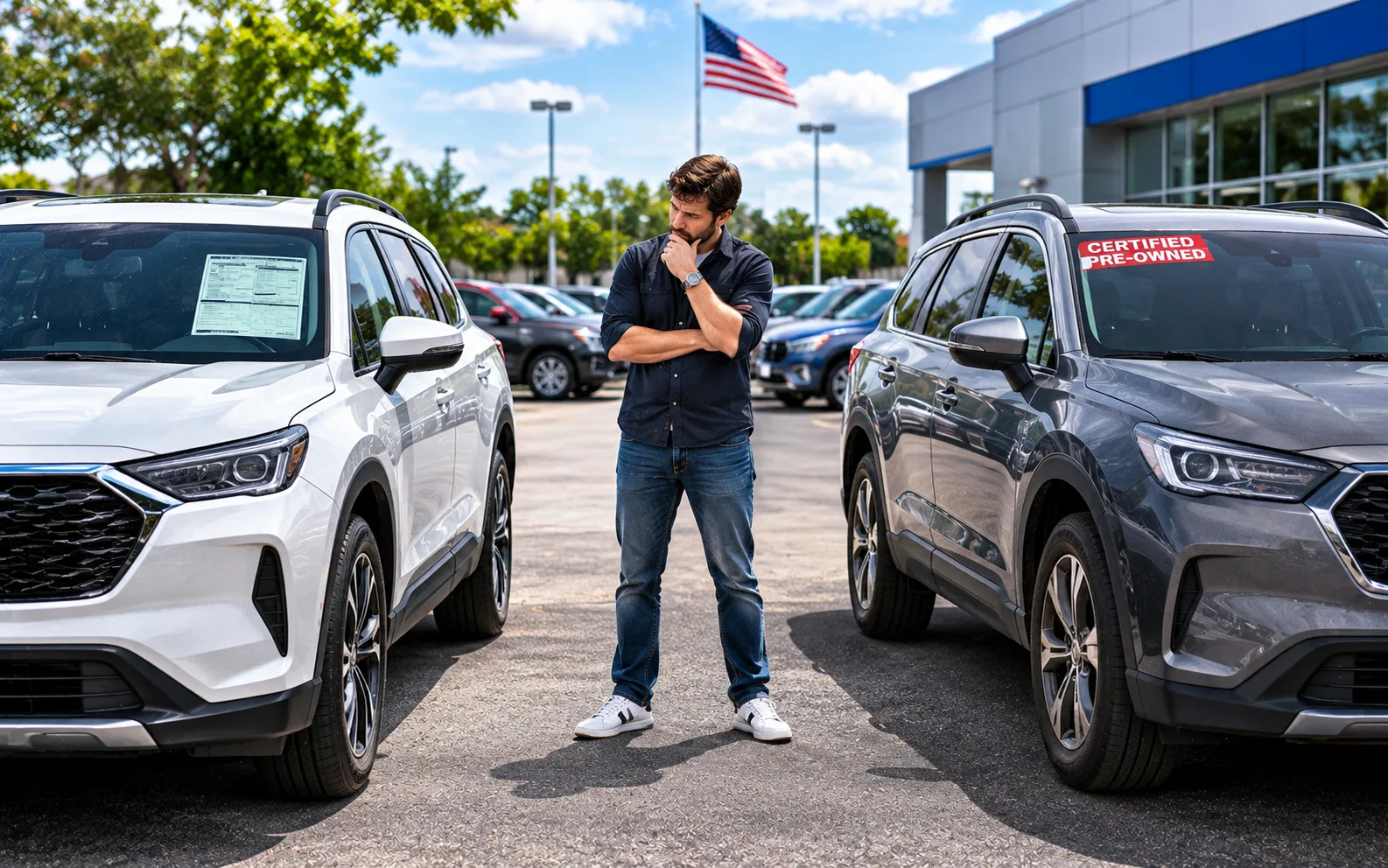
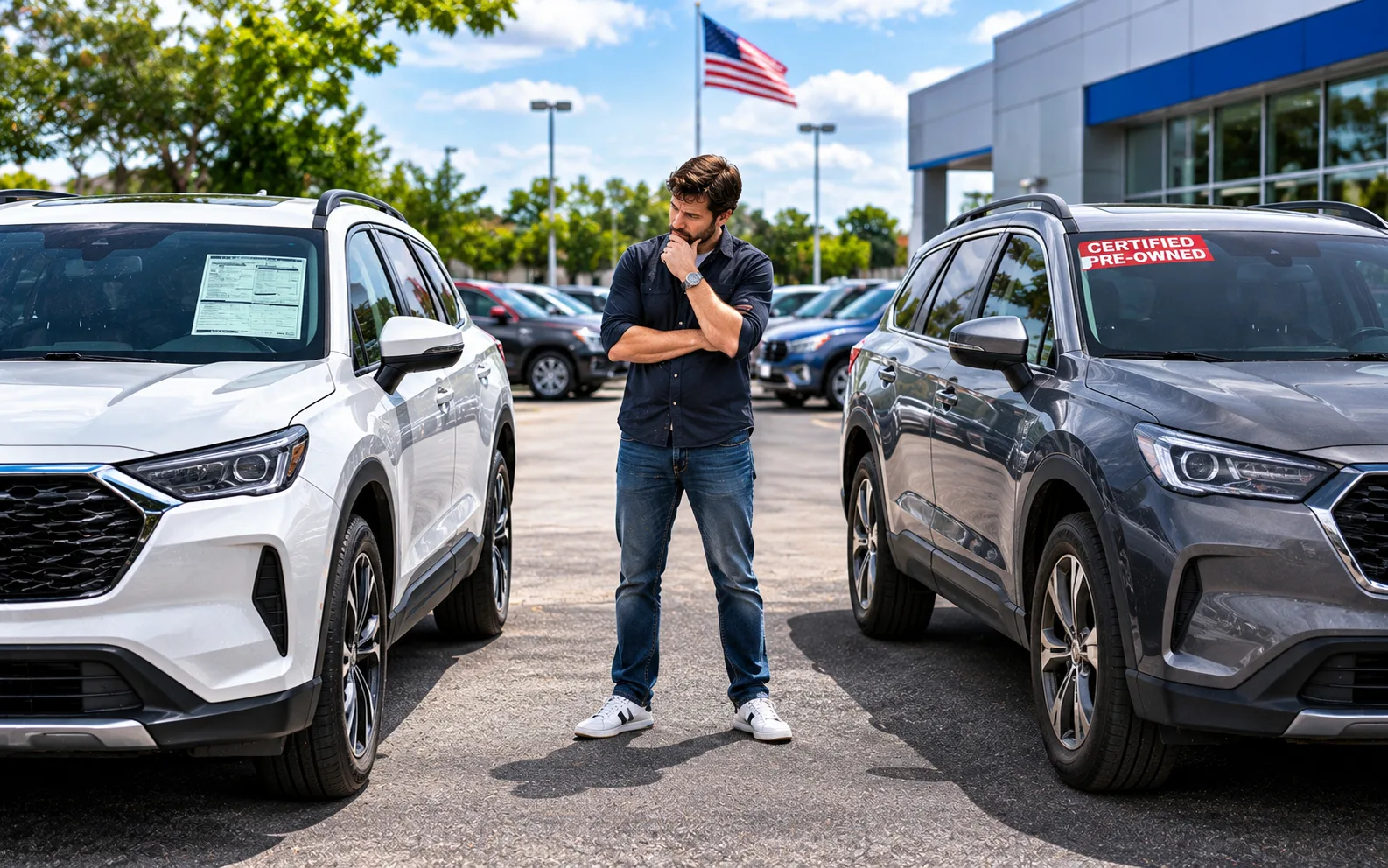
For forty years, buying a car in America came with one ironclad rule repeated by every uncle, podcast host, and personal finance guru: "Never buy a brand-new car. Let the first sucker eat the 20% depreciation hit the second they drive off the lot, and buy a two-year-old used model instead."
In 2015, that advice was gospel. Today, following it blindly can quietly cost you thousands of dollars.
Between stubbornly high used-vehicle prices, missing factory warranties, and punitive used-car interest rates hovering past 11%, the traditional car-buying playbook has fractured. If you are shopping for popular crossovers, trucks, or reliable commuters right now, buying a lightly used car is no longer the automatic bargain it used to be—and sometimes, buying brand new is actually cheaper.
1. The 11% Interest Rate Trap Nobody Mentions
Most buyers obsess over the window sticker price while ignoring the most expensive line on a 60- or 72-month contract: the Annual Percentage Rate (APR).
According to credit and lending data tracked by Experian and Edmunds, the gap between new and used auto financing has blown wide open:
- Average New Car Loan APR: Roughly 6.35% to 7.1%—and manufacturers routinely subsidize brand-new models with promotional 1.9% to 4.9% APR financing for qualified buyers.
- Average Used Car Loan APR: Hovering around 10.7% to 11.19%.
Break that down by credit tier using Bankrate and Experian averages, and the penalty gets even uglier. A "Prime" borrower (661–780 credit score) averages roughly 6.15% on a new car versus 8.81% used. Drop to a "Near Prime" score (601–660), and used loan rates jump to nearly 13.93%.
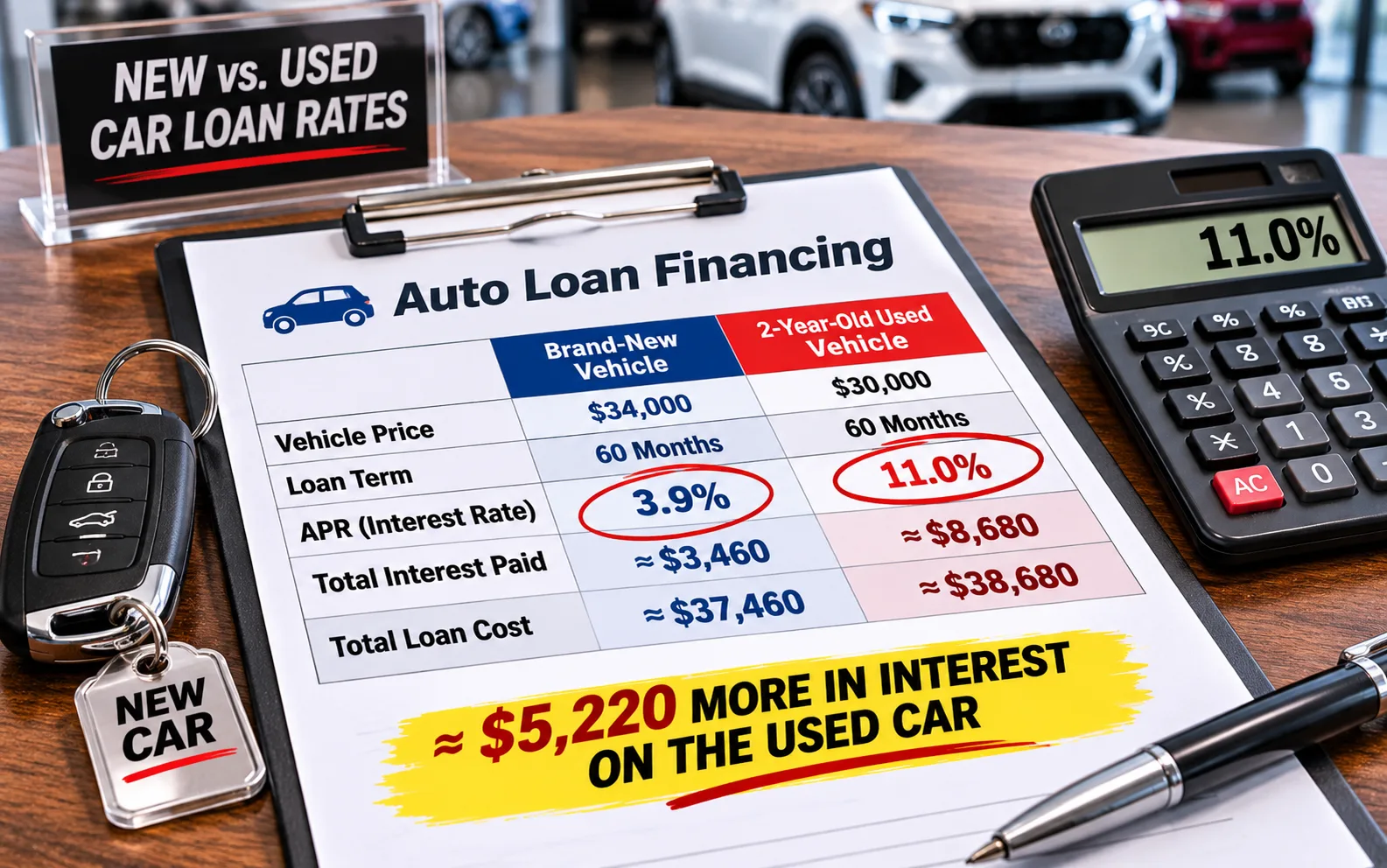
When you finance a $30,000 two-year-old SUV at 10.5% APR for 60 months, you pay over $8,680 in pure interest. Finance a $34,000 brand-new version using a factory 3.9% promotional rate over the same 60 months, and you pay just $3,460 in interest. Suddenly, that "cheaper" used car cost you more out of pocket.
2. The "Toyota and Honda Tax" Destroyed Late-Model Discounts
Back when rental fleets dumped millions of clean two-year-old sedans onto auction lots, depreciation worked heavily in the used buyer's favor. A two-year-old car typically sold for 30% to 35% below original MSRP.
Not anymore—especially on high-demand Japanese crossovers and trucks. Shop for a two-year-old Honda CR-V, Toyota RAV4 Hybrid, or Toyota Tacoma with 30,000 miles on the odometer, and you will frequently find dealers asking within $2,500 to $4,000 of a brand-new model sitting across the aisle.
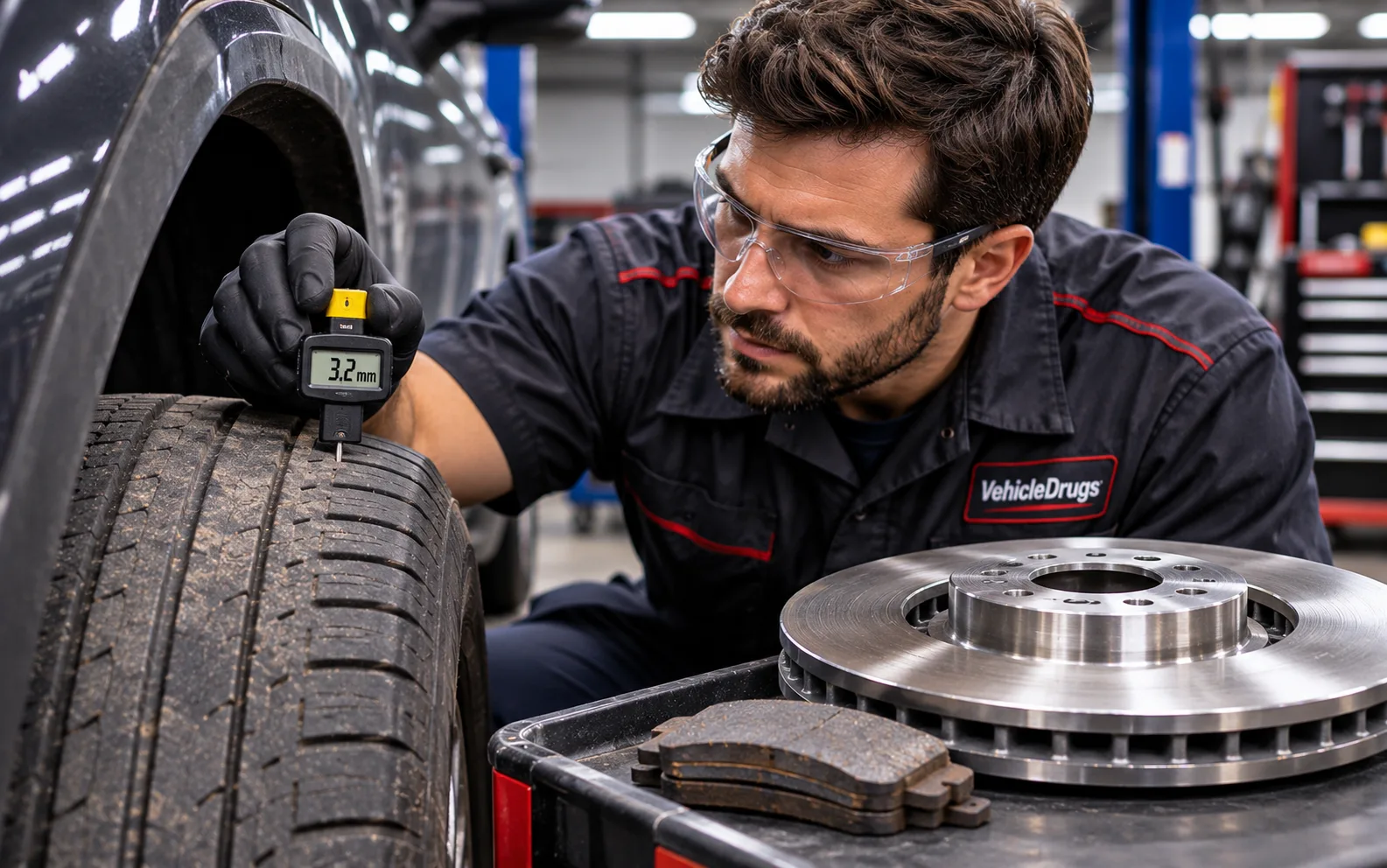
Paying 90% of a new car's price for a vehicle that already has 30,000 miles of unknown driving history, half-worn brake pads, and half-used tires makes zero mathematical sense.
3. The Real Math: 2-Year-Old Used vs. Brand New (60-Month Loan)
| Cost Factor (60-Month Term, $3,000 Down) | 2-Year-Old Used Crossover (30K Miles) | Brand-New Crossover (0 Miles) |
|---|---|---|
| Purchase Price | $31,000 | $34,500 |
| Typical Loan APR | 10.5% (Average Used Rate) | 3.9% (OEM Promo Rate) |
| Total Interest Paid | ~$8,100 | ~$3,210 |
| Factory Warranty Left | ~12 Months / 6,000 Miles | Full 3-Year / 36K Bumper-to-Bumper |
| Immediate Maintenance | Tires & 30K Service (~$1,200 soon) | $0 (Often includes 2-yr free maintenance) |
| Total 5-Year Outlay | ~$40,300 | ~$37,710 |
Read that bottom line again. Even before factoring in surprise out-of-warranty repairs, the brand-new vehicle with zero miles on the clock can save you over $2,500 across five years of ownership.
4. When Buying Used Still Wins (And Where New Beats It)
Does this mean every American should march into a dealership and buy a $50,000 new truck (the current average new-car price tracked by Kelley Blue Book)? Absolutely not. Average new monthly payments hovering near $765 to $800 are still financially reckless for most households.
The smart move depends entirely on how you buy and which segment you shop:
- When Used Still Crushes New: If you are paying cash (avoiding 11% interest completely) for an 8-to-12-year-old vehicle under $15,000, or if you are shopping for steep-depreciation luxury sedans and EVs. Electric vehicles and luxury flagships still lose 40% to 50% of their value in three years—making used EVs and luxury SUVs tremendous bargains.
- When Brand New Wins: If you are financing a mainstream, high-retention vehicle (Toyota, Honda, Subaru, Mazda, or popular trucks like those in our Ford F-150 buyer's guide) and qualify for a manufacturer's subsidized 1.9%–4.9% APR. Remember also that skipping overdue services like those we detailed in our recall and maintenance reports makes unknown used histories riskier than ever.

VehicleDrugs Editorial Verdict: Do the Total-Cost Math, Not the Sticker Math
Old financial rules only work when the math behind them stays the same. With sub-$25,000 new cars making up barely 5% of the U.S. market and used loan rates sitting near historic highs, blindly assuming "used is always cheaper" is an expensive mistake.
Before you sign for a 2023 or 2024 used car, pull out a loan calculator. Compare the total 60-month outlay—price, interest rate, remaining warranty, and upcoming 30,000-mile maintenance—against a brand-new model with OEM promotional financing. You might be shocked to find the smarter financial choice still has the new-car smell.
Frequently Asked Questions
Why are used car loan interest rates so much higher than new car rates?
Lenders view used vehicles as higher-risk collateral because they depreciate unpredictably, have unknown maintenance histories, and carry higher odds of mechanical failure. Additionally, automakers heavily subsidize new-car interest rates through their captive finance arms (such as Toyota Financial or Ford Credit) to move new inventory.
Is it better to buy a 2-year-old car or a brand-new car right now?
If you are financing a high-resale brand like Toyota, Honda, or Subaru, buying brand new is often cheaper over five years due to lower promotional APRs, full factory warranties, and zero immediate tire or brake replacements. Buying used still wins if you pay cash or buy older, heavily depreciated vehicles.
What is the average monthly car payment in the USA right now?
According to Experian data, the average monthly payment sits around $765+ for a new car and roughly $542 for a used car, with average loan terms stretching close to 68 to 70 months.
Sources & References
- Auto Loan APRs & Credit Score Data: Experian State of the Automotive Finance Market / Bankrate
- New & Used Transaction Pricing: Edmunds Automotive / Kelley Blue Book (KBB)
Have thoughts, dyno data, or build feedback?
Join automotive enthusiasts in the paddock below to debate engineering, lap times, and modifications.
Community Pulse
How does this machine make you feel? Drop your reaction!

VehicleDrugs Editorial
VehicleDrugs Editorial Team
A passionate collective of automotive purists, track drivers, and mechanical engineers uncovering high-octane engineering breakthroughs worldwide.
🏁 Pit Crew Discussions
Drop your telemetry, debate the engineering, or talk track times with fellow petrolheads.
The Pit Lane is Quiet
Be the first driver to drop your opinion on this machine!