Ford Will Buy Emissions Credits to Keep the Mustang V8 Alive
Australia's NVES changes fleet-emissions requirements, but Ford still lists the Mustang GT and Dark Horse V8. Explore the rules, engine specs and recall.
HEAD-TO-HEAD MUSCLE CAR VS COMPARISON
Compare 0-60, peak horsepower, torque, and quarter-mile times across iconic builds.
FORD IS WILLING TO BUY EMISSIONS CREDITS TO KEEP THE V8 MUSTANG ALIVE!
Ford would rather purchase emissions credits than abandon the
legendary 5.0-liter Coyote V8. Here's how Australia's emissions regulations are
challenging the Mustang and why Ford is determined to protect its future.
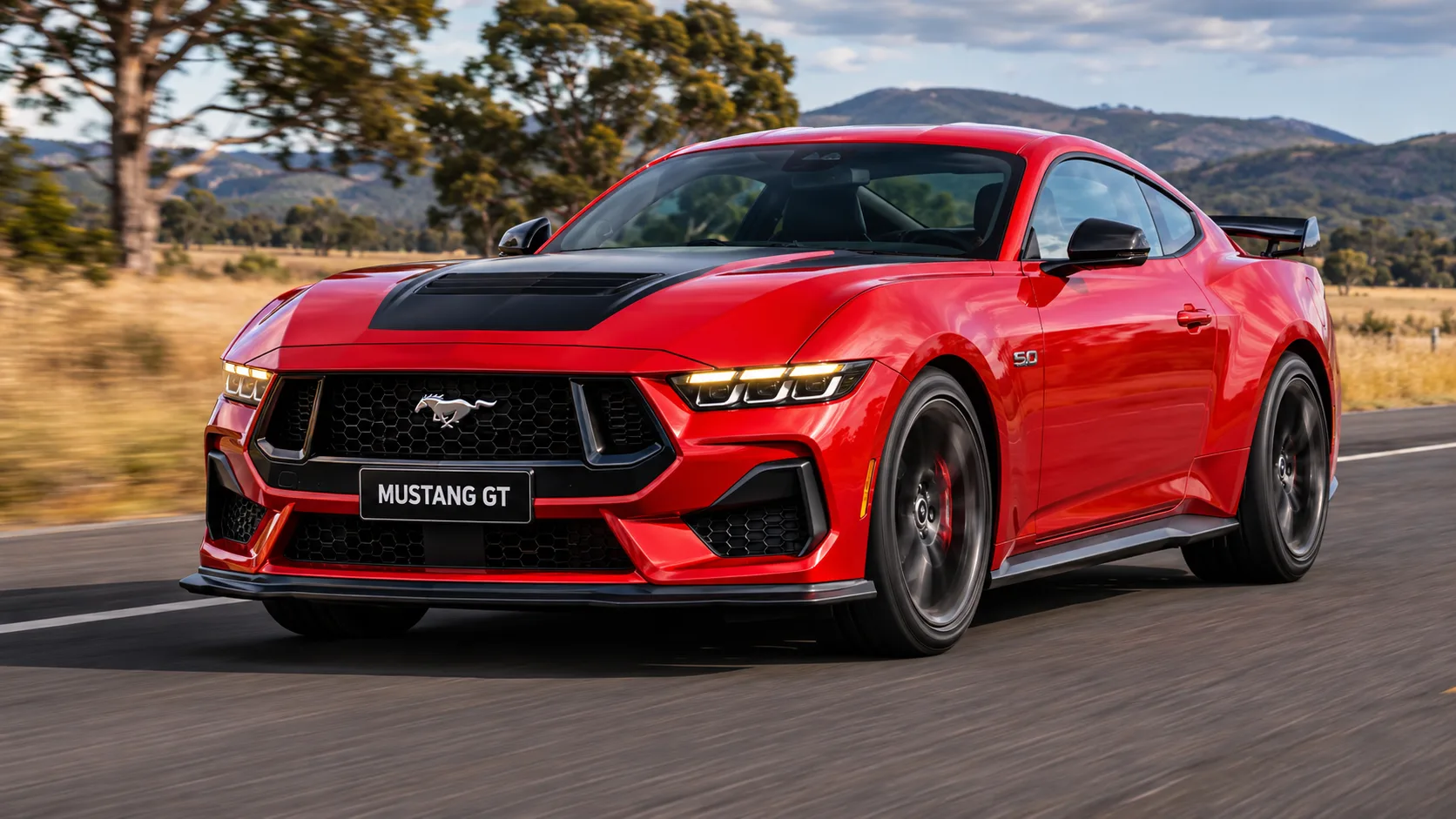
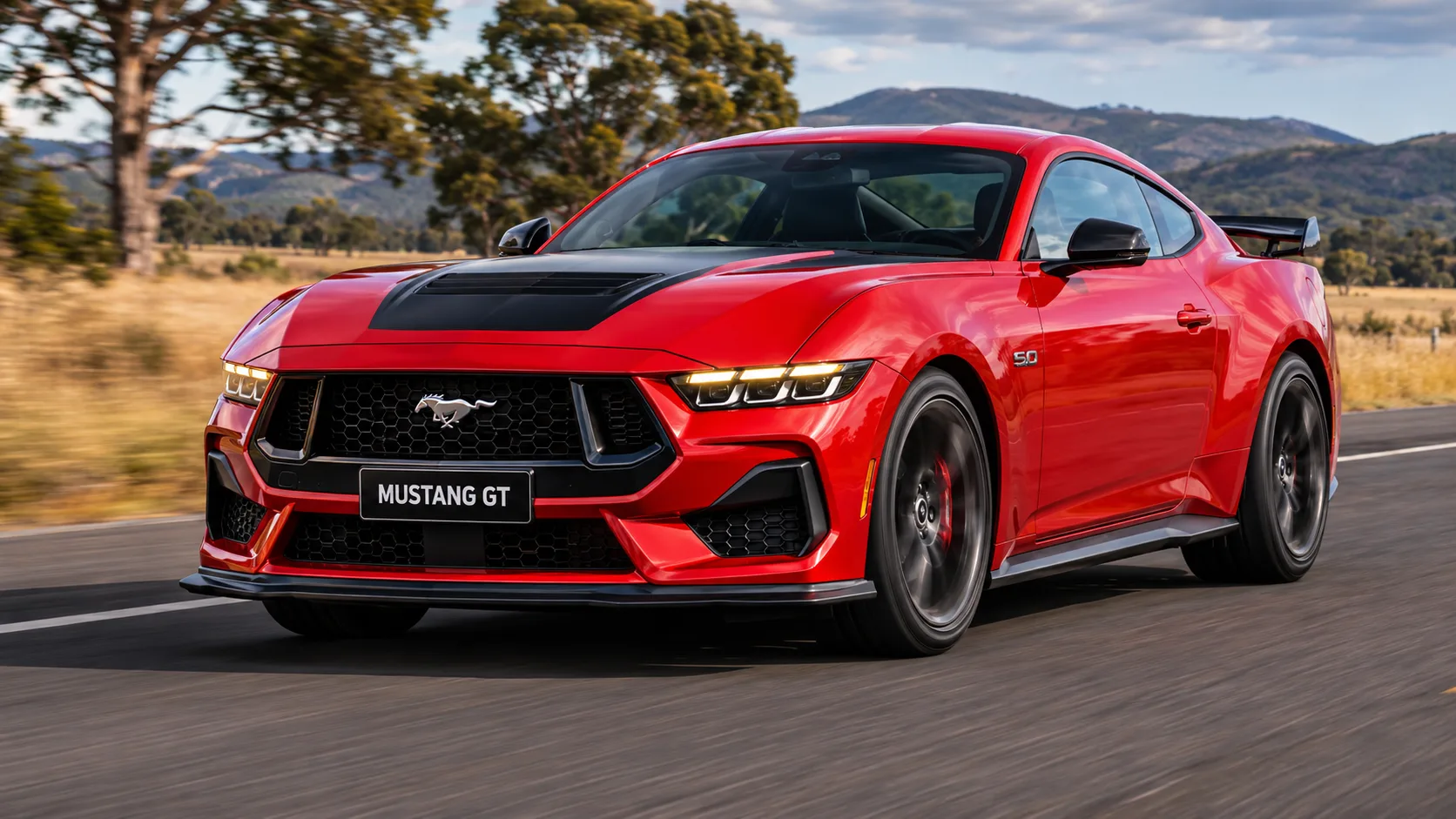
Ford is making it clear that the Mustang's V8 heritage is not something it
plans to abandon without a fight.
As emissions regulations become increasingly demanding in Australia, Ford is
prepared to purchase emissions credits from competing manufacturers when
necessary rather than give up on its naturally aspirated 5.0-liter V8 Mustang.
It is an unusual strategy, but it reveals just how important the Mustang
remains to Ford's performance-car identity.
While much of the automotive industry continues shifting toward
electrification and smaller turbocharged engines, Ford Australia is taking a
different approach. Instead of removing the V8 from its lineup, the company
plans to use a combination of electric vehicles, electrified models, and
emissions-credit trading to manage its regulatory obligations.
For V8 enthusiasts, however, the message is encouraging: Ford still wants to
preserve the traditional Mustang experience.
Why Australia's Emissions Regulations Are Creating a Challenge for Ford
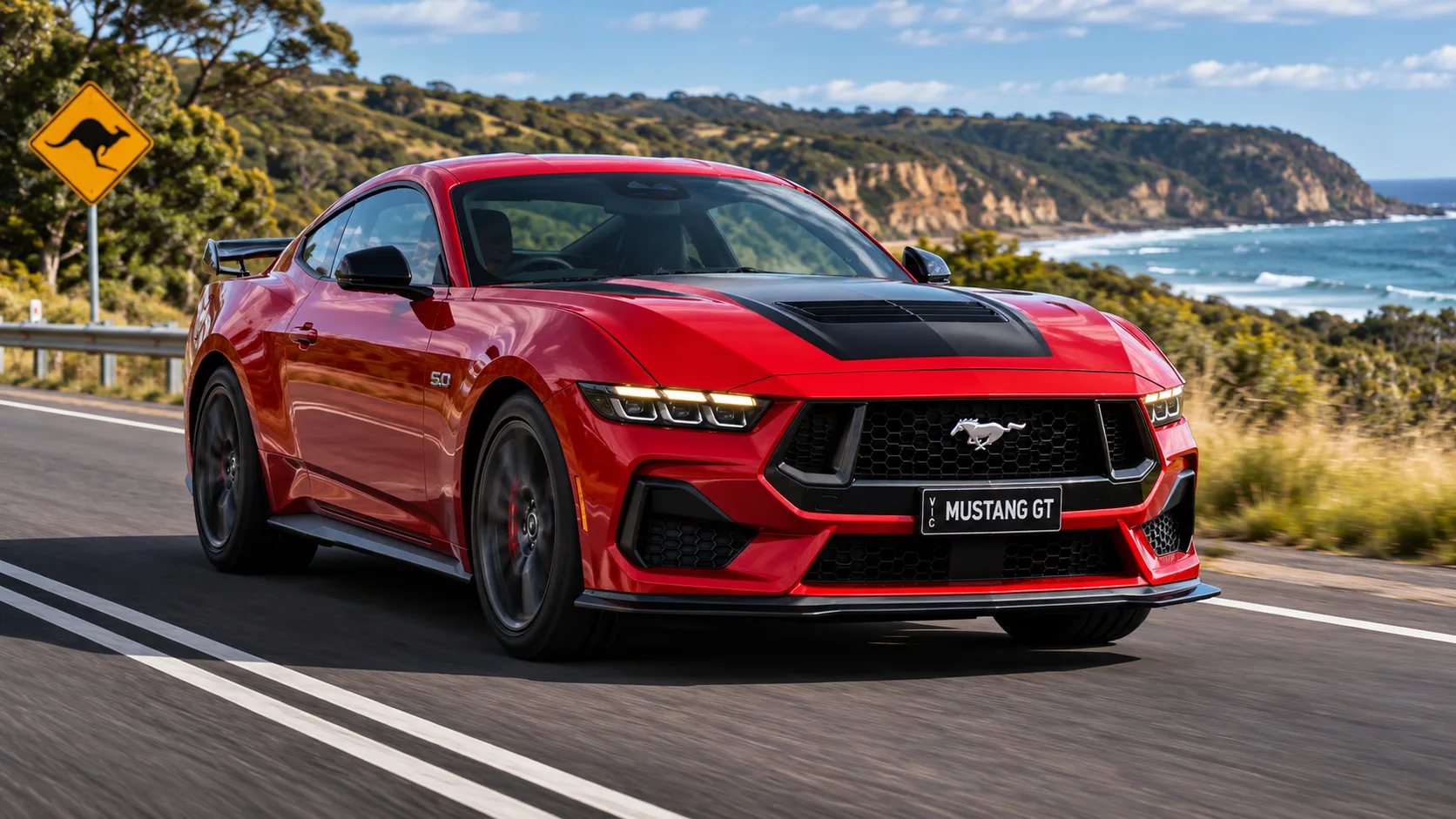
The situation begins with Australia's New Vehicle Efficiency Standard,
commonly known as NVES.
The Australian Government introduced the regulation on January 1, 2025, with
the first reporting period beginning on July 1, 2025.
The system establishes average carbon dioxide emissions targets for
manufacturers supplying new passenger cars and light commercial vehicles to the
Australian market.
Unlike a regulation that directly bans certain engine types, NVES focuses on
the average emissions performance of a manufacturer's covered vehicle lineup.
This distinction is important.
Ford can continue selling a vehicle with a naturally aspirated V8 engine,
but it must manage the emissions performance of its broader lineup to meet the
applicable targets.
Manufacturers that exceed their targets can generate additional emissions
units themselves or trade units with other manufacturers. They have a two-year
period to address a shortfall before a penalty becomes payable.
For Ford, that creates an interesting challenge.
The Mustang GT's 5.0-liter V8 delivers the traditional performance experience
buyers expect, but it also produces considerably more CO2 than a fully electric
vehicle.
Selling more efficient vehicles across the wider lineup can help balance
that difference.
Ford Is Willing to Purchase Emissions Credits From Other Manufacturers
This is where Ford's strategy becomes particularly interesting.
Ford Australia Marketing Director Ambrose Henderson has explained that the
company intends to manage its emissions obligations through a broader vehicle
portfolio strategy and the purchase of emissions credits when necessary.
In other words, Ford does not necessarily need to sacrifice its V8-powered
Mustang to meet Australia's emissions requirements.
It can purchase eligible emissions units from manufacturers that have units
available for trading.
Companies with lower-emission vehicle portfolios can generate units that
other manufacturers may purchase to help manage their own compliance positions.
Electric-only manufacturers are particularly relevant to this system because
their vehicles produce zero tailpipe CO2 emissions.
However, Ford is not relying exclusively on buying credits.
The company is also expanding its electrified vehicle lineup to improve the
overall emissions performance of its Australian portfolio.
Its announced plans include the all-electric Transit City and the upcoming
Bronco Basecamp plug-in hybrid, alongside further electrified products.
There is another important detail worth understanding: Ford Australia
reportedly met its 2025 NVES target and generated emissions credits.
Therefore, the announcement is about Ford's future strategy, not
confirmation that it has already completed a credit purchase from another
manufacturer.
The bigger picture is that Ford wants to preserve its traditional
performance cars while adapting to increasingly demanding emissions
regulations.
The 5.0-Liter Coyote V8 Remains at the Heart of the Mustang
For performance enthusiasts, the most important part of this story is the
engine itself.
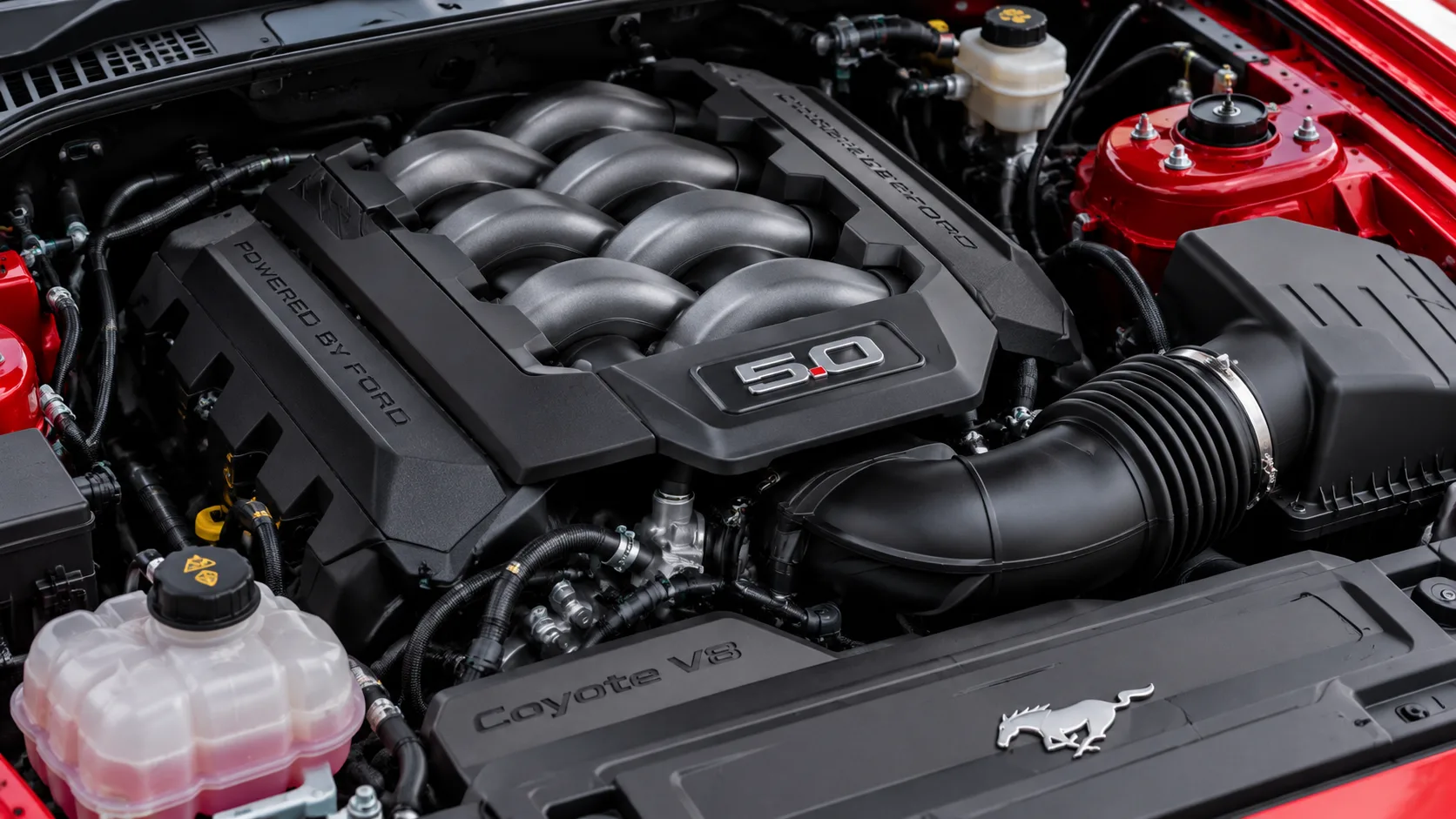
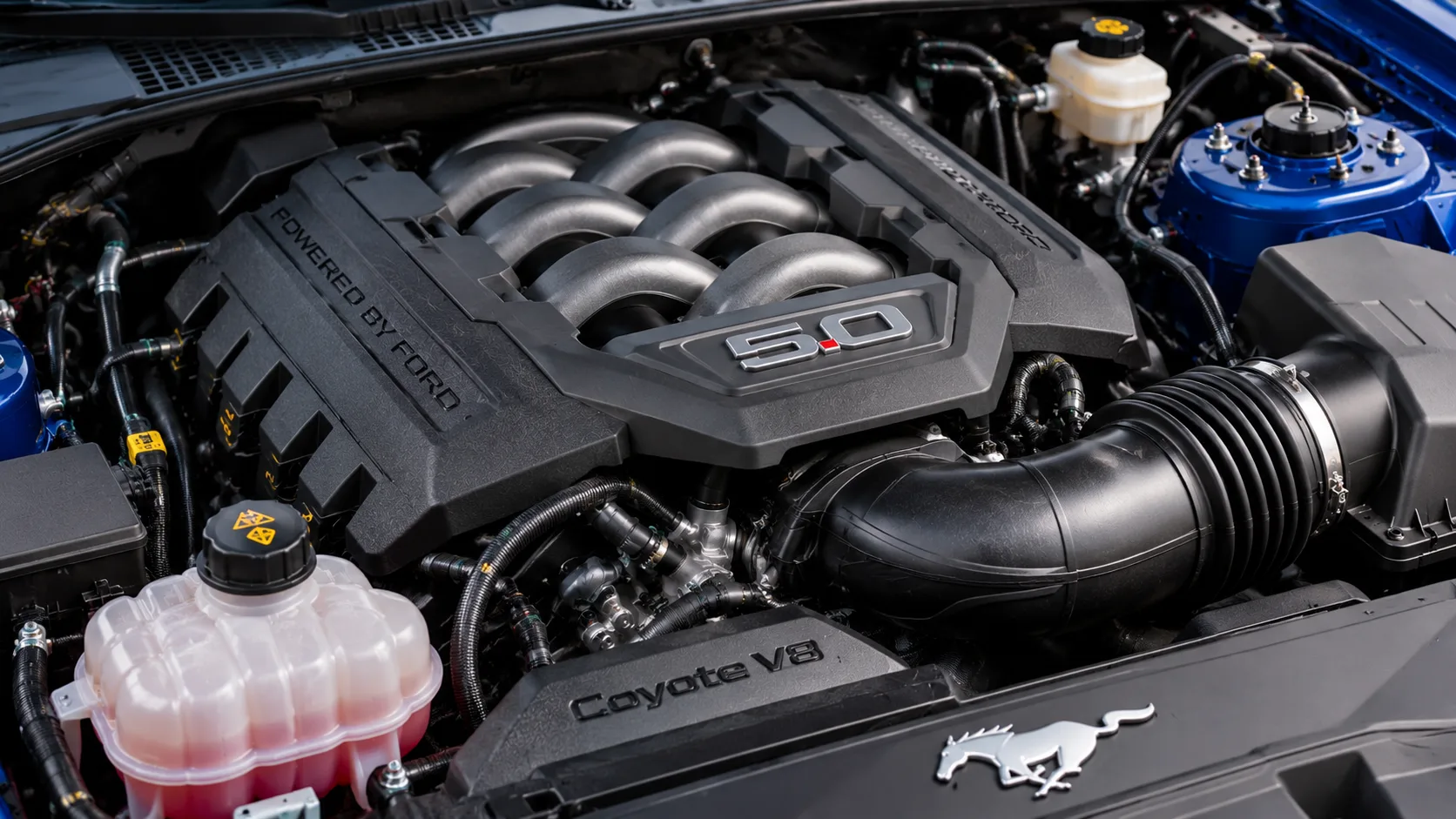
The Ford Mustang GT continues to offer the naturally aspirated 5.0-liter
Coyote V8, an engine that has become one of the defining features of the
Mustang lineup.
Unlike smaller turbocharged engines, the Coyote V8 delivers its performance
through a naturally aspirated configuration.
That means there is no turbocharger waiting to build boost before delivering
additional power.
Instead, drivers get the familiar characteristics of a high-performance V8,
including its distinctive exhaust note, naturally aspirated power delivery, and
traditional engine response.
The Australian-market Mustang GT produces:
|
Specification |
Ford Mustang GT |
|
Engine |
5.0L Coyote V8 |
|
Engine configuration |
Naturally aspirated V8 |
|
Maximum power |
345 kW |
|
Maximum torque |
550 Nm |
|
Power peak |
7,250 rpm |
|
Torque peak |
4,850 rpm |
|
Manual transmission |
6-speed |
|
Automatic transmission |
10-speed |
|
Drivetrain |
Rear-wheel drive |
Ford also continues offering a six-speed manual transmission on the Mustang
GT Fastback.
For enthusiasts who enjoy being directly involved in the driving experience,
that combination matters.
A naturally aspirated V8 paired with a manual gearbox represents something
that has become increasingly uncommon in the modern performance-car market.
Ford's commitment to the Mustang legacy is particularly significant because
the company is not simply protecting a familiar model name. It is preserving a
specific type of performance-car experience.
And that is precisely what many Mustang buyers continue to value.
Mustang Sales and Pricing Show Why Ford Wants to Protect It
Ford's decision also makes more sense when looking at the Mustang's position
in the Australian market.
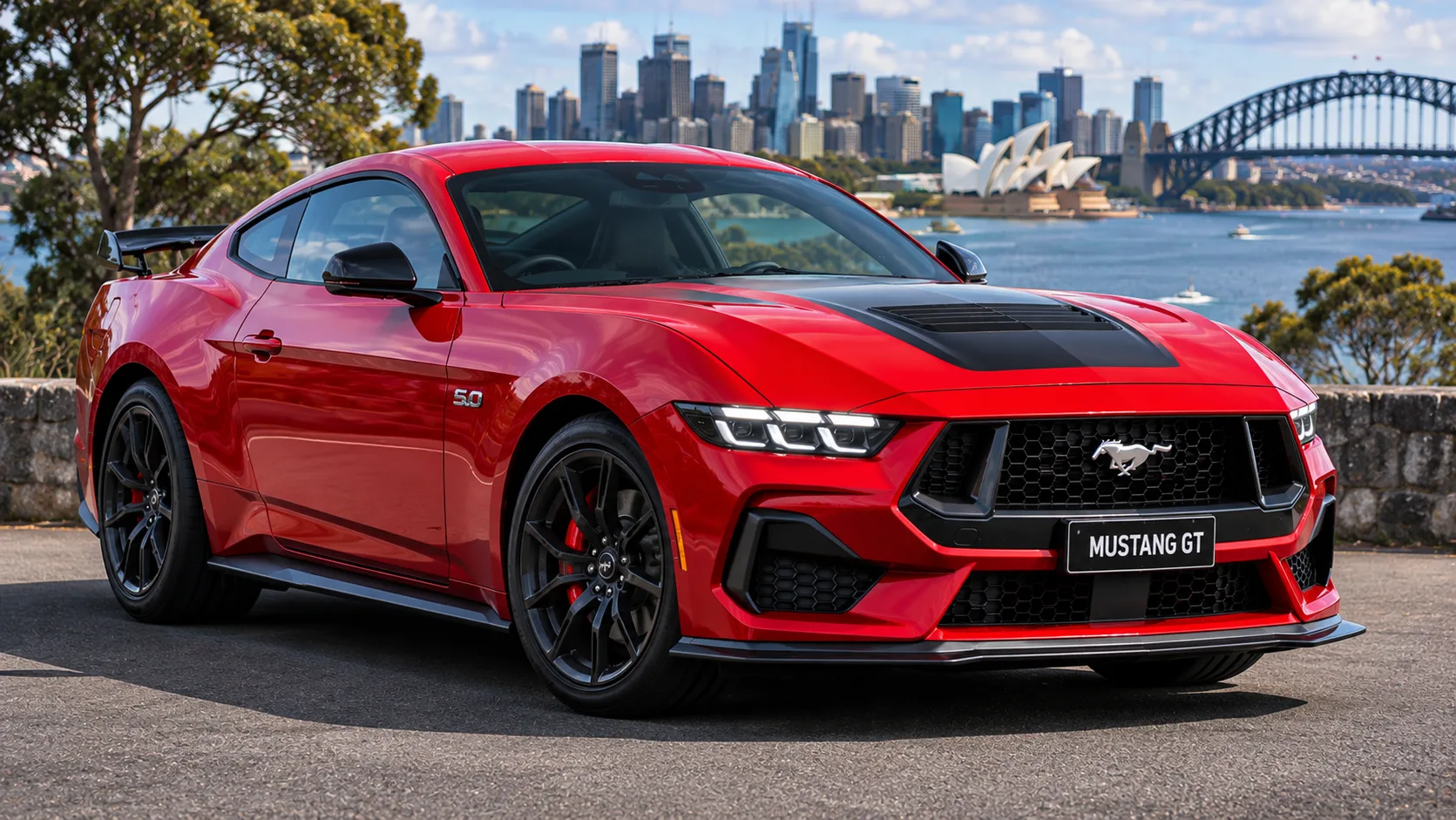
The Mustang has been Australia's best-selling sports car for eight of the
last ten years, according to Ford Australia representatives quoted by Carsales.
Ford sold 4,052 Mustangs in Australia during 2025, demonstrating that demand
for traditional American performance cars remains significant.
However, the latest sales figures show that the market is not without
challenges.
During January through October 2026, Mustang sales reached 1,895 units,
compared with 3,702 during the same period in 2025.
That represents a 48.8 percent year-over-year decline.
Despite the decline, Ford Australia says the Mustang remains on track to be
Australia's best-selling sports car for 2026.
The model has also become considerably more expensive compared with its
original Australian launch.
When the Mustang returned to Australia in 2015, the GT manual started at
approximately A$57,490 before on-road costs.
By November 2026, the reported starting price for the Mustang GT manual had
reached approximately A$84,917 before on-road costs.
|
Mustang GT
manual |
Price (AUD) |
|
2015 launch |
A$57,490 |
|
November 2026 |
A$84,917 |
|
Price difference |
A$27,427 |
That represents an increase of approximately 47.7 percent.
Emissions compliance is one factor contributing to pricing pressure, but it
would be inaccurate to attribute the entire increase to NVES.
Ford Australia has also identified exchange rates, commodity prices, and
broader market conditions as additional factors influencing vehicle pricing.
Nevertheless, Ford's emissions strategy could become increasingly important
as the company works to keep performance vehicles commercially viable.
Why Ford's Decision Matters Compared With Dodge and Chevrolet
Ford's approach becomes even more interesting when compared with the
changing American performance-car landscape.
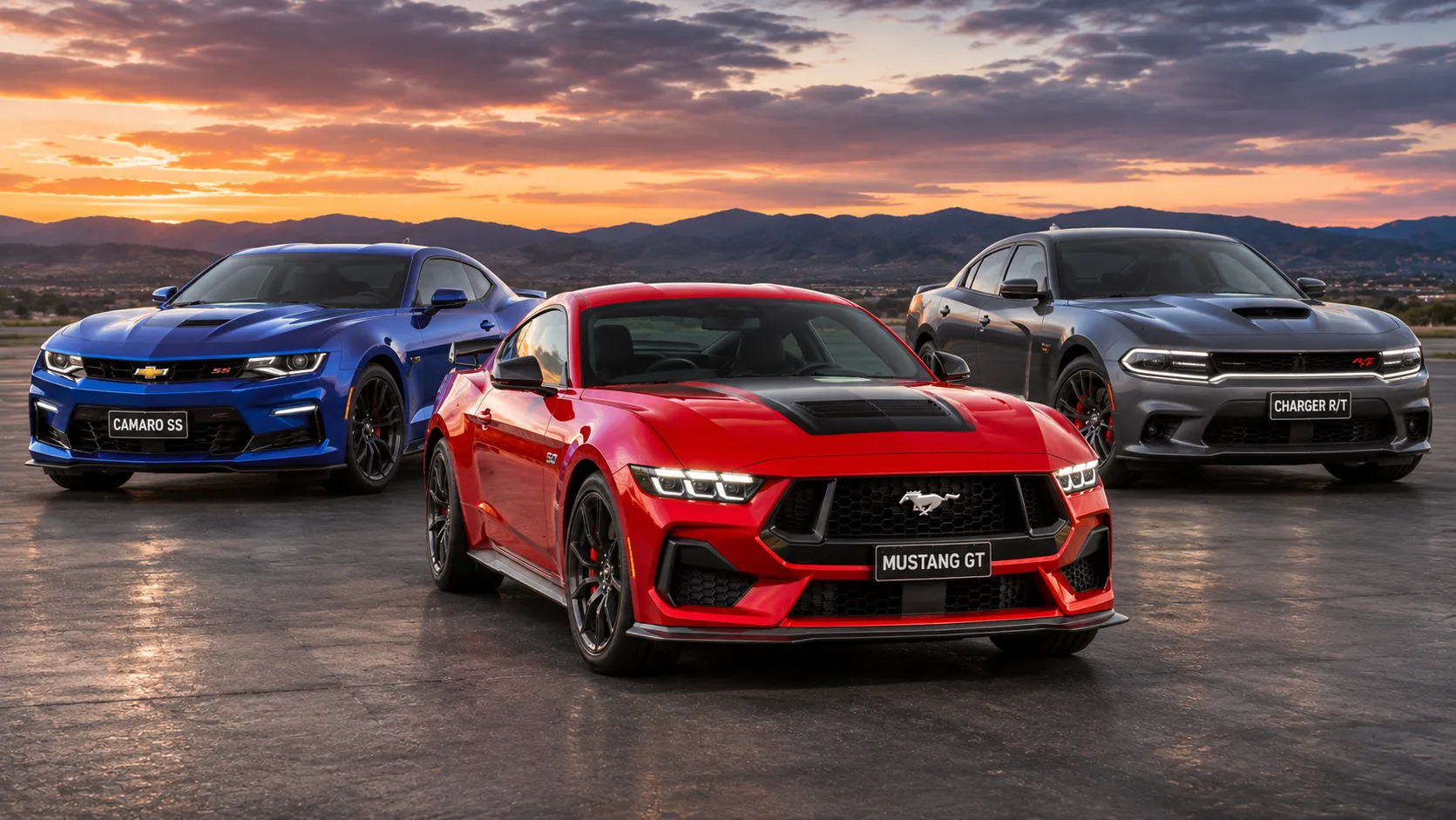
Chevrolet ended sixth-generation Camaro production after the 2024 model
year.
That left enthusiasts without a direct new-generation Camaro replacement in
Chevrolet's traditional performance lineup.
Dodge has taken a different direction with its latest Charger.
The new-generation Charger offers multiple powertrain choices, including an
all-electric Daytona and gasoline-powered SIXPACK models.
However, the gasoline-powered versions use a 3.0-liter twin-turbocharged
inline-six rather than the traditional HEMI V8.
The 2026 Charger R/T produces 420 horsepower, while the Scat Pack version
delivers 550 horsepower.
These are still serious performance machines, but they represent a different
engineering direction.
Ford, meanwhile, continues to offer a naturally aspirated V8 Mustang with a
manual transmission.
That difference gives the Mustang a distinct position in today's American
performance-car market.
It does not necessarily mean one approach is better than another.
Turbocharged engines and electric powertrains bring their own performance
advantages.
But for buyers who specifically want a traditional V8-powered American
coupe, Ford is continuing to offer an option that has become increasingly
difficult to find.
VehicleDrugs Analysis: Is Ford Making the Right Move?
Ford's strategy raises an interesting question about the future of
performance cars.
Should manufacturers continue developing traditional engines when emissions
regulations are pushing the industry toward more efficient powertrains?
There are arguments on both sides.
From an enthusiast's perspective, keeping the Coyote V8 alive preserves an
important part of Mustang identity.
The sound, mechanical character, naturally aspirated power delivery, and
availability of a manual transmission are all reasons why buyers continue
choosing the GT.
However, maintaining these vehicles under increasingly demanding emissions
regulations comes with financial and engineering challenges.
Credit purchases are not free, and expanding an electrified lineup requires
investment.
There is also no guarantee that emissions-credit trading will remain an
inexpensive long-term solution.
VehicleDrugs editorial view: Ford's approach demonstrates
that electrification and traditional performance do not necessarily have to be
mutually exclusive.
A manufacturer can expand its electric and hybrid offerings while continuing
to sell vehicles that appeal to enthusiasts who prefer conventional engines.
The important question is whether the business model remains financially
sustainable.
If Ford can successfully balance those priorities, the Mustang could
continue serving a market that many competitors have approached differently.
What This Means for Mustang Buyers and V8 Enthusiasts
For Australian Mustang buyers, the immediate message is encouraging.
Ford has publicly expressed its intention to continue the Mustang legacy,
and its emissions strategy provides a way to manage regulatory challenges
without immediately abandoning the V8.
However, buyers should understand that future pricing will depend on several
factors, including emissions compliance costs, vehicle specifications, exchange
rates, and market conditions.
For enthusiasts in the United States, Australia's NVES does not directly
impose the same requirements on American Mustang sales.
Nevertheless, Ford's decision offers an interesting example of how
manufacturers can protect enthusiast-focused vehicles while adapting to
changing regulations.
The Mustang's future will ultimately depend on demand, engineering
decisions, regulations, and the economics of keeping the car in production.
Final Verdict: Ford Is Still Fighting for the V8 Mustang
The Ford Mustang has survived decades of automotive change, and the latest
emissions challenge is another test of its long-term future.
Instead of treating the naturally aspirated 5.0-liter Coyote V8 as something
that must disappear, Ford Australia is preparing to use a broader strategy
involving electric vehicles, electrified models, and emissions-credit trading.
That does not mean keeping the V8 alive will be easy or inexpensive.
But it demonstrates that Ford still sees value in offering a traditional
performance car in an increasingly electrified industry.
With Chevrolet's Camaro production ended and Dodge moving its latest Charger
toward turbocharged inline-six and electric powertrains, the Mustang continues
to offer a distinctive combination of naturally aspirated V8 performance and
manual-transmission availability.
And perhaps that is the most important part of this story.
The future of performance cars might be changing, but Ford isn't
ready to let the V8 Mustang become part of the past.
Would you rather have a naturally aspirated 5.0-liter V8 with a manual
transmission, or would you choose a modern turbocharged or electric performance
car?
Frequently Asked Questions
1. Is Ford really willing to buy emissions credits to keep the
Mustang V8 alive?
Yes. Ford Australia has indicated that purchasing emissions credits from
other manufacturers is part of its strategy for managing NVES requirements when
necessary.
2. Does Australia's NVES ban V8 engines?
No. The regulation establishes emissions targets for manufacturers. It does
not directly prohibit V8-powered vehicles.
3. Does the Ford Mustang GT still have a 5.0-liter V8?
Yes. The Australian-market Mustang GT continues to use Ford's naturally
aspirated 5.0-liter Coyote V8.
4. Is the Ford Mustang GT still available with a manual transmission
in Australia?
Yes. Ford Australia continues to offer a six-speed manual transmission on
the Mustang GT Fastback.
5. Has Ford already purchased emissions credits from another
manufacturer?
The available reporting confirms Ford's intention to purchase credits when
needed, not a completed transaction.
6. Does Australia's emissions regulation affect Mustang sales in the
United States?
No. Australia's NVES applies to covered vehicles supplied to the Australian
market, not American domestic vehicle sales.
Sources
1. Carsales
— Ford Mustang Safe Despite Tightening Emissions Rules (November 18, 2026)
2. Australian
Government — Information for Industry: NVES
3. Australian
Government — NVES Frequently Asked Questions
4. Ford Australia —
Mustang GT Specifications
5. Ford Australia — Mustang
Official Model Page
6. CarExpert
— Ford Mustang Sales Slump Not a Concern for Brand (November 2026)
7. Dodge — 2026
Charger R/T SIXPACK Official Announcement
8. Dodge —
2026 Charger Scat Pack Official Announcement
9. Chevrolet — Camaro Production Ends After 2024 Model Year
Have thoughts, dyno data, or build feedback?
Join automotive enthusiasts in the paddock below to debate engineering, lap times, and modifications.
Community Pulse
How does this machine make you feel? Drop your reaction!

VehicleDrugs Editorial
VehicleDrugs Editorial Team
A passionate collective of automotive purists, track drivers, and mechanical engineers uncovering high-octane engineering breakthroughs worldwide.
🏁 Pit Crew Discussions
Drop your telemetry, debate the engineering, or talk track times with fellow petrolheads.
The Pit Lane is Quiet
Be the first driver to drop your opinion on this machine!